Installation of Mobile Toilets in Rural Areas of Tibet
The installation of mobile toilets in rural areas of Tibet requires comprehensive design considering the characteristics of the plateau climate, covering aspects such as materials, foundations, installation techniques, and quality control. The specific key points are as follows:

Material Selection: UV Resistance, Low-Temperature Tolerance, and Corrosion Resistance
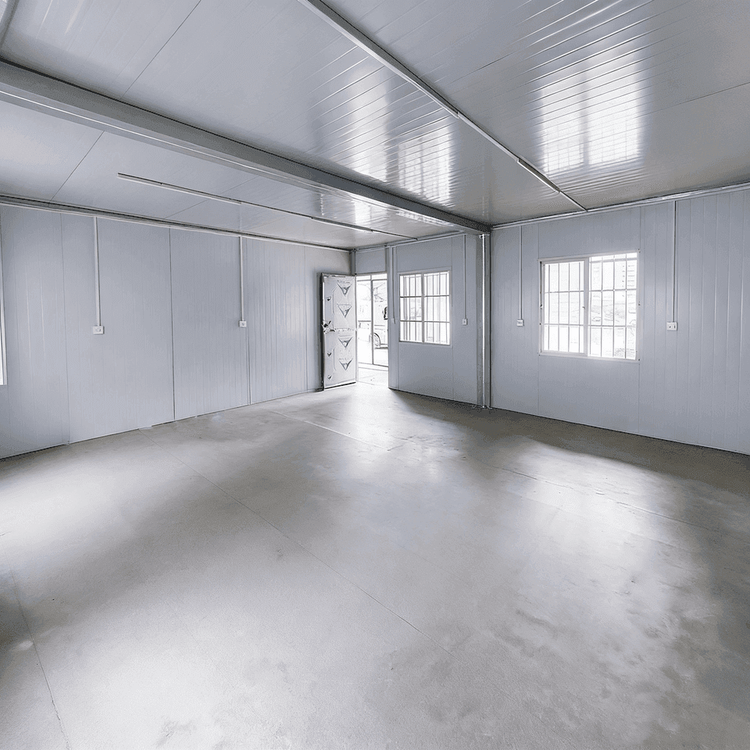
The plateau region experiences intense ultraviolet radiation, significant temperature variations between day and night, and cold winters, necessitating materials with special properties. The main structure often employs a combination of colored coated steel sheets and light steel keels, with the surface coating treated for corrosion resistance to withstand UV aging and extreme weather conditions. Internal insulation layers of polyurethane or rock wool are used to ensure thermal insulation in low-temperature environments. Structural connectors are selected from galvanized or stainless steel materials to prevent accelerated metal oxidation due to the thin plateau air. For pipelines, sewage pipes require insulation layers, while water supply and drainage pipes are equipped with electric tracing cables to prevent freezing and blockage in winter.
Foundation Treatment: Addressing Permafrost and Freeze-Thaw Cycles
Permafrost areas pose a core challenge for installation. A shallow foundation combined with an insulation layer is necessary to reduce structural deformation caused by freeze-thaw action; in non-permafrost areas, prefabricated concrete block foundations are used to avoid extensive earth excavation. Common solutions to mitigate freeze-thaw cycle risks include concrete independent foundations or steel frame elevated foundations, which isolate the soil from structural contact to minimize ground deformation impacts. Foundation flatness must be checked with a laser level, with errors controlled within 3 millimeters to ensure stability.
Installation Techniques: Modular and Sealed Design
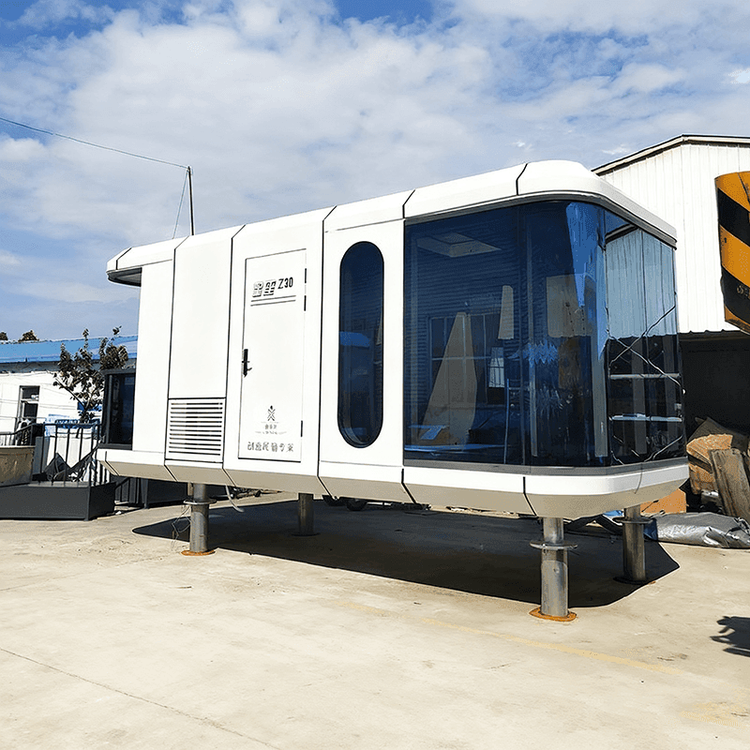
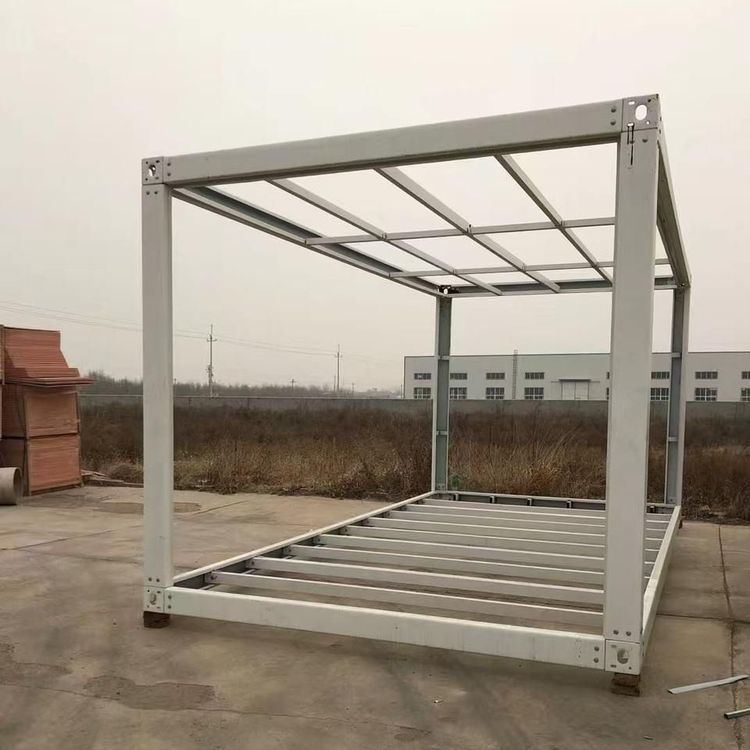
The main frame is constructed from prefabricated steel keel components connected by high-strength bolts, following a modular assembly logic for easy transportation and disassembly. Wall and roof panels utilize a hidden snap-fit system, with joints filled with specialized sealing strips to enhance airtightness in strong wind conditions. Pipeline connections employ quick-connect interfaces to streamline the construction process; power supply relies on solar photovoltaic panels and battery packs for self-sufficiency, adapting to the lack of grid coverage in remote areas.
Quality Control and Environmental Requirements
The installation process must strictly control quality: structural verticality is verified through double plumb line checks, bolt connections are tightened to preset torques using a torque wrench, and inspection status is marked on construction drawings. Site selection should avoid wildlife migration paths and water source buffer zones, with exterior colors coordinated with the surrounding landscape to minimize visual impact. Additionally, the installation process should minimize soil disturbance to comply with plateau ecological protection requirements.