
Tibet Prefabricated Housing Project
The Tibet Prefabricated Housing Project centers on prefabricated building models, effectively addressing construction challenges on the plateau and promoting sustainable development through technological adaptation, policy support, and large-scale application.
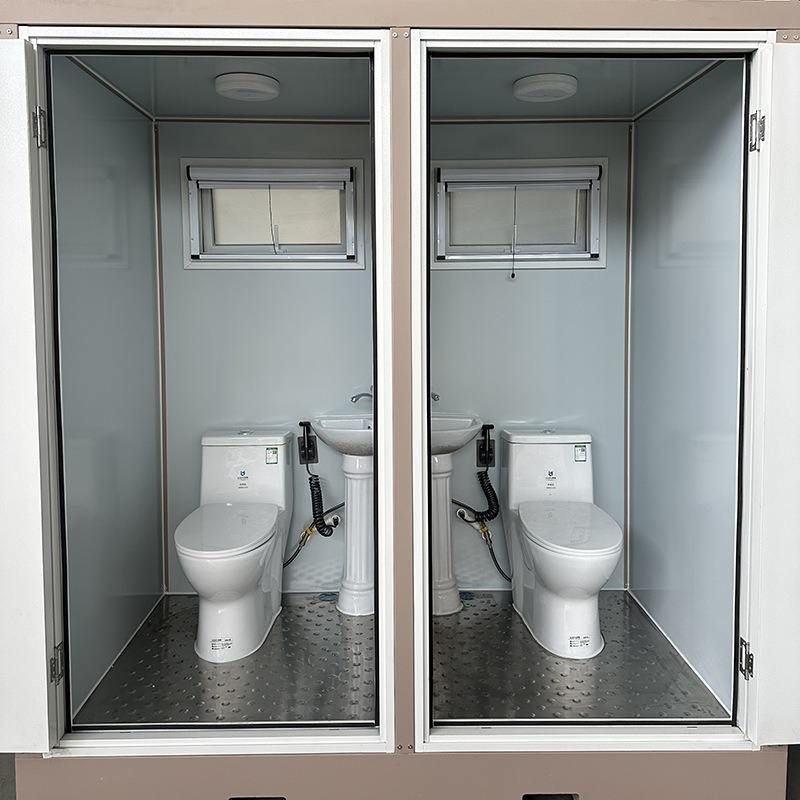
Technical Model and Core Advantages The prefabricated housing in Tibet adopts a "factory prefabrication + on-site assembly" model, transferring 80% of construction processes to factories. Standardized production ensures component precision and consistent quality. This model shortens the traditional construction period of 12-18 months to 6-9 months, perfectly aligning with the 4-6 month effective construction window on the plateau. For example, Zangjian Technology has reduced project timelines by over 50% using this approach. In terms of materials and technology, specialized concrete curing processes, steel bar connection techniques, and joint waterproofing solutions have been developed to address high-altitude and strong UV conditions, ensuring building durability and safety. The structural system has undergone specialized validation for plateau wind pressure and freeze-thaw cycles, demonstrating excellent seismic performance (e.g., 8-degree seismic fortification standards) and durability (design lifespan exceeding 50 years). Regarding environmental protection and energy efficiency, large-scale production reduces unit costs and minimizes on-site dust and noise pollution. Some products incorporate passive energy-saving designs, reducing energy dependence and aligning with Tibet's ecological protection requirements.
Policy and Standard Support System The National Development and Reform Commission's "Western Region Encouraged Industry Catalog (2024 Edition)" lists green buildings and prefabricated buildings as emerging industries in the western region, providing policy incentives. The Tibet Housing and Urban-Rural Development Department led the formulation of the "Technical Standard for Prefabricated Concrete Buildings on the Plateau" (DB54/T 0305-2023), the first industry standard for high-altitude regions nationwide. This standard regulates key indicators such as material performance and joint construction, providing authoritative endorsement for corporate technical solutions.
Market Size and Regional Distribution According to data from the China Construction Industry Association, Tibet's prefabricated building capacity increased from 300,000 square meters per year in 2022 to 1.8 million square meters per year in 2025, with a compound annual growth rate of 52%. Lhasa, Shigatse, and Nyingchi have become primary application areas due to concentrated government investments and dense cultural tourism projects. Benchmark projects such as the Milin Bangzhong Resettlement Site and the Lhasa Economic Development Zone Demonstration Project have validated the technical feasibility.
Typical Enterprises and Service Models China State Construction Integrated Technology focuses on R&D of plateau-specific buildings, with products certified as national green building materials and applied in scenarios such as Qinghai-Tibet Railway supporting facilities and border posts. Zangjian Technology offers full-cycle services covering urban construction, cultural tourism, and livelihood resettlement, establishing production hubs in Lhasa and Nyingchi. Service content includes component customization, modular housing manufacturing, green building material supply, and on-site assembly construction, forming a complete chain from drawing refinement to project completion and acceptance.



