Types and Images of Mobile Toilets in Tibet
Currently, it is not possible to directly provide images of the types of mobile toilets in Tibet, but we can introduce the common types of mobile toilets in Tibet and their characteristics.
In Tibet, due to its unique geographical environment and variable climatic conditions, the design and application of mobile toilets must fully consider factors such as cold resistance, wind resistance, and ease of maintenance. The common types of mobile toilets mainly include the following:
1. Packing-type Mobile Toilets
Packing-type mobile toilets collect excrement using biodegradable plastic bags, eliminating the need for external water sources and sewage pipelines. They are suitable for remote areas at high altitudes with no infrastructure. Their core component is an automatic packing device that automatically seals the fecal bag after use to prevent odor diffusion. These toilets are compact in size, easy to transport, and commonly used in tourist attractions and temporary event venues.
2. Foam-sealing Mobile Toilets
Foam-sealing mobile toilets generate dense foam by mixing a foaming agent with a small amount of water, covering the inner walls of the toilet bowl to form a sealing layer that blocks odors and reduces flushing water volume. These toilets have significant water-saving effects, with a single flush volume as low as 0.2 liters, making them suitable for arid or water-scarce regions in Tibet. Their foam-generating devices require regular replenishment of the foaming agent, resulting in relatively low maintenance costs.
3. Microbial Degradation Mobile Toilets
Microbial degradation mobile toilets decompose excrement by adding specific bacterial strains, converting it into harmless organic matter for on-site treatment. These toilets do not require sewage pipelines and have no odor during the treatment process, making them suitable for ecologically sensitive areas or long-term use scenarios. Their degradation efficiency is greatly affected by temperature, so in the low-temperature environment of Tibet, they need to be equipped with insulation devices or use cold-resistant bacterial strains.
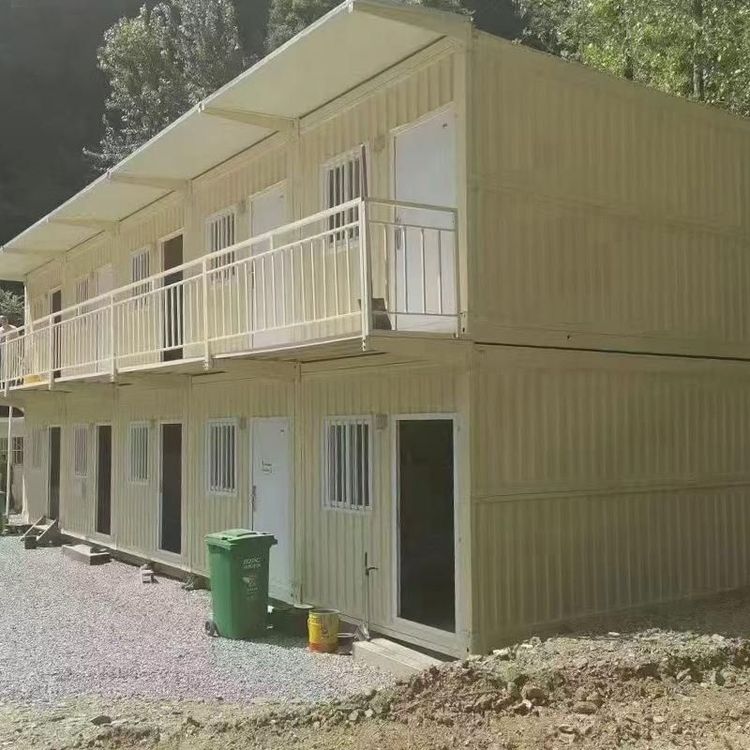
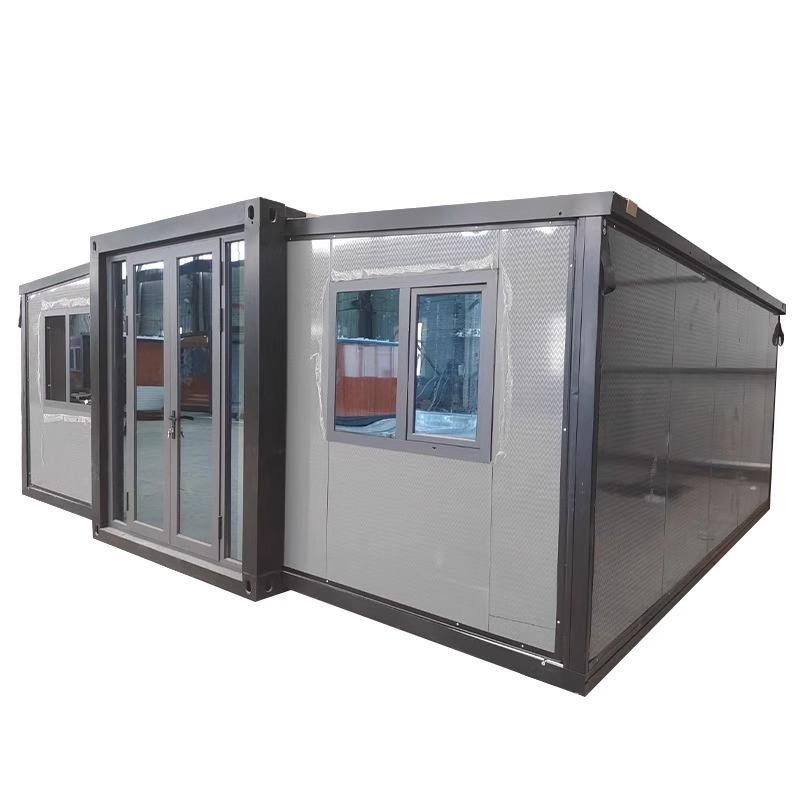
4. Container-type Mobile Toilets
Container-type mobile toilets are modified from standardized containers and are equipped with a complete water supply and drainage system, ventilation equipment, and sanitary ware inside, offering relatively high comfort. They have a sturdy structure and strong wind resistance, allowing for rapid deployment at construction sites and large event venues. Some models also integrate solar power supply systems to adapt to Tibet's abundant sunlight.
5. Trailer-type Mobile Toilets
Trailer-type mobile toilets combine toilet compartments with a towing chassis and can be transported to different locations by vehicles, offering high flexibility. These toilets are usually equipped with septic tanks or connected to temporary sewage pipelines, making them suitable for short-term concentrated use scenarios such as festivals and disaster relief efforts.