
Back to blog
Article
Tibet Mobile Toilet Solution
Admin October 10, 2026
The Tibet mobile toilet solution encompasses technical design, operation and maintenance management, and construction plans, as detailed below:
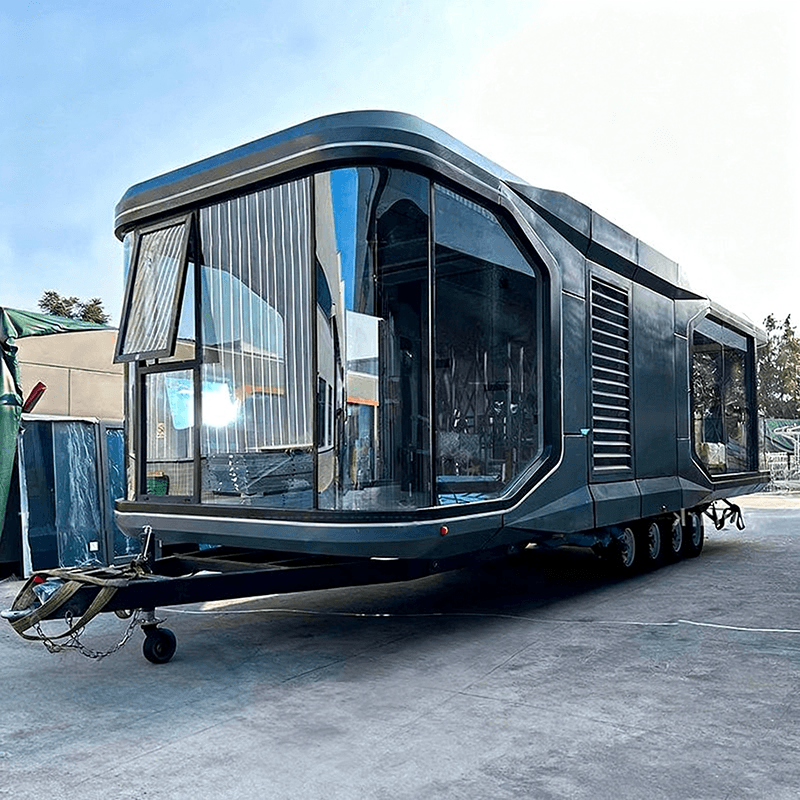
Technical Design: It adopts a modular structure consisting of a treatment unit, storage unit, and auxiliary system.
- Treatment Unit: Solid waste is processed through biodegradation or physical separation, with an independent urine diversion device to reduce treatment load. In areas above 4,000 meters in altitude, the biodegradation unit requires an additional pressure regulation device to compensate for the inhibition of microbial activity caused by low-pressure environments.
- Storage Unit: It features a dual-isolation chamber design to separately store solid decomposition products and liquids, minimizing odor diffusion. The insulation layer is twice as thick as that in low-altitude areas to prevent freezing in winter, which could affect waste removal. Handwashing wastewater is filtered and recycled for toilet flushing, with single-use water consumption controlled to less than 0.5 liters, achieving efficient water resource utilization.
- Auxiliary System: The ventilation system employs a passive air duct design, utilizing natural wind pressure differences on the plateau to facilitate air circulation without additional power. Solar power equipment provides energy by leveraging abundant sunlight. All pipes are made of flexible connection materials to adapt to environments with temperature variations exceeding 20°C between day and night, preventing structural damage caused by thermal expansion and contraction.
Operation and Maintenance Management: Taking Shannan City as an example, systematic measures are implemented to ensure the long-term effective operation of toilets.
- Research and Analysis: The city's tourism development bureau conducted a comprehensive survey of 93 tourist toilets across 12 counties (districts, cities), proposing targeted solutions to issues such as water and power shortages.
- Financial Investment: Over 1 million yuan has been invested based on visitor traffic and equipment conditions to strengthen equipment maintenance and management capabilities.
- Long-Term Mechanism: A management mechanism of "fixed personnel, fixed posts, and fixed responsibilities" has been implemented, adjusting the allocation of cleaning staff, setting up signs, and publicly displaying information about management and maintenance personnel along with complaint hotlines for social supervision. The electronic mapping of 90 tourist toilets has been promoted to address the issue of "difficulty in finding toilets." Regular supervision and inspections ensure that toilets are "clean, odor-free, practical, free of charge, and effectively managed."
Construction Plan: Related documents currently exist but require payment for specific content. Reference can be made to standardized construction processes published by professional institutions to ensure the structural safety, functional completeness, and environmental adaptability of mobile toilets.



