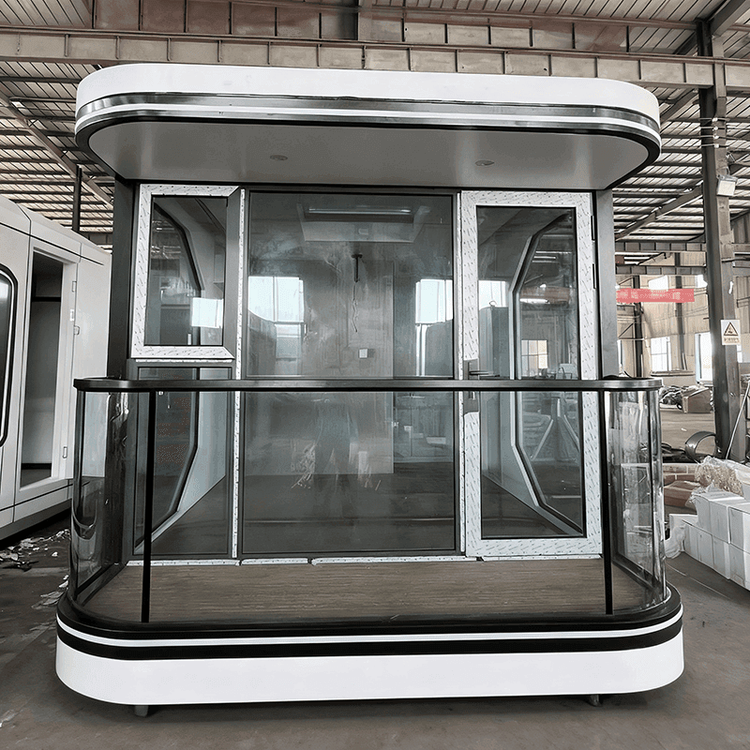
Tibet Mobile Toilet Renovation Needs
The renovation of mobile toilets in Tibet requires careful consideration of six key aspects: climate adaptability, structural safety, functional configuration, spatial layout, transportation and installation, and post-installation maintenance.
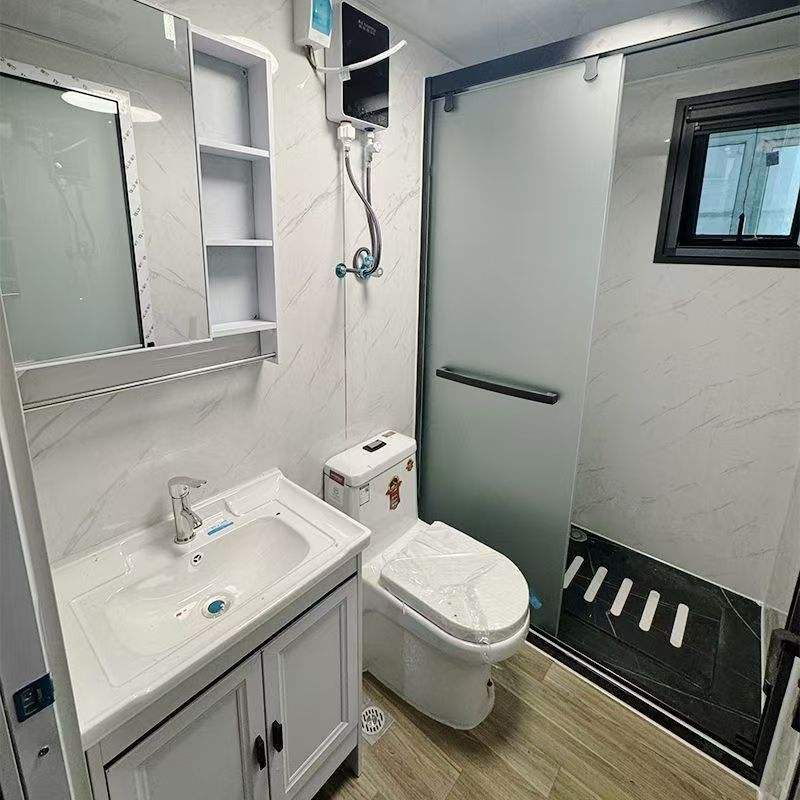
Climate adaptability is the primary consideration. The Tibetan Plateau experiences low temperatures, strong ultraviolet radiation, and significant temperature variations between day and night. Therefore, materials with a thermal insulation coefficient (K-value ≤ 0.45 W/(m²·K)), fire resistance rating (Class A for wall core materials), and corrosion resistance (zinc coating thickness ≥ 120μm) should be selected. For example, galvanized steel plates (highly rust-resistant) or aluminum alloys (lightweight and easy to transport) are recommended for the toilet body. Antibacterial composite materials (easy to clean and reduce odors) are suitable for interior panels. The roof should be designed as a sloped structure with a double-layer insulation layer to prevent water accumulation and mitigate the impact of extreme weather conditions.
Structural safety and performance must meet the special environmental requirements of the plateau. Basic standards include an earthquake resistance rating of at least 7, wind pressure resistance of at least 1.0 kPa, and snow load resistance of at least 0.8 kN/m². The main structure typically employs a steel frame with composite panels, integrating water supply and drainage, ventilation, electrical, and intelligent management systems (such as pedestrian flow monitoring, odor control, and energy-saving lighting). In high-altitude areas, enhanced air pressure adaptability and ultraviolet protection designs are necessary to ensure facility stability.
Functional configuration should balance practicality and humanization. For water-saving systems, sensor-activated flushing devices are recommended, which can reduce water consumption by 60%. Ventilation solutions should adopt a convection design with top exhaust fans and bottom air inlets. Special requirements include foldable changing tables in母婴室 (mother-and-baby rooms), a 1.5-meter turning space in accessible toilets, and emergency SOS call buttons. Environmental protection treatment should employ microbial degradation or packaging technology, complying with the CJJ 14-2016 standard.
Spatial layout should optimize usage efficiency and maintenance convenience. The recommended size for a standard single toilet is 0.9×1.2 meters. Centralized handwashing areas can save on piping costs but require consideration of peak-hour queuing. The location of the septic tank should be close to main roads for easy pumping. Nighttime reflective signs should be installed at a height of 1.2-1.5 meters to ensure visibility.
Transportation and installation require an assessment of route limitations and costs. Roads leading to Tibet may impose restrictions on transportation dimensions, necessitating advance planning. Basic installation costs range from 500 to 2000 yuan (including frame construction and wall fixation). Remote areas may incur additional transportation fees of 500 to 2000 yuan, and complex installations (such as high-altitude hoisting) may require additional labor costs.
Post-installation maintenance necessitates a long-term plan. Regular cleaning services cost approximately 30-50 yuan per session, with annual consumables (such as degradation agents) ranging from 200 to 500 yuan. Winter freeze protection measures are essential to prevent pipe bursts. It is advisable to prioritize customized enterprises with strong technical capabilities and reliable services and clarify whether the supplier includes transportation and installation services to obtain accurate quotes.