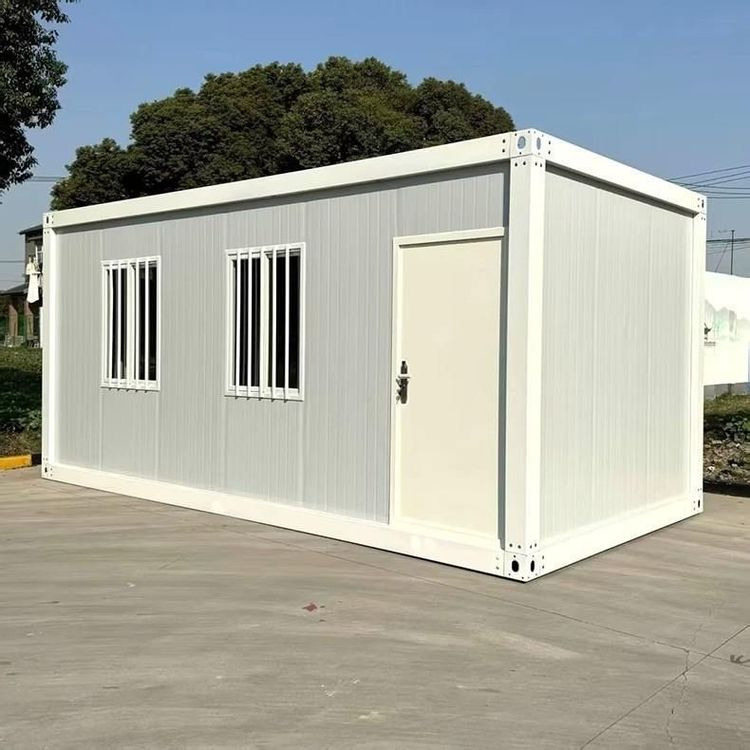
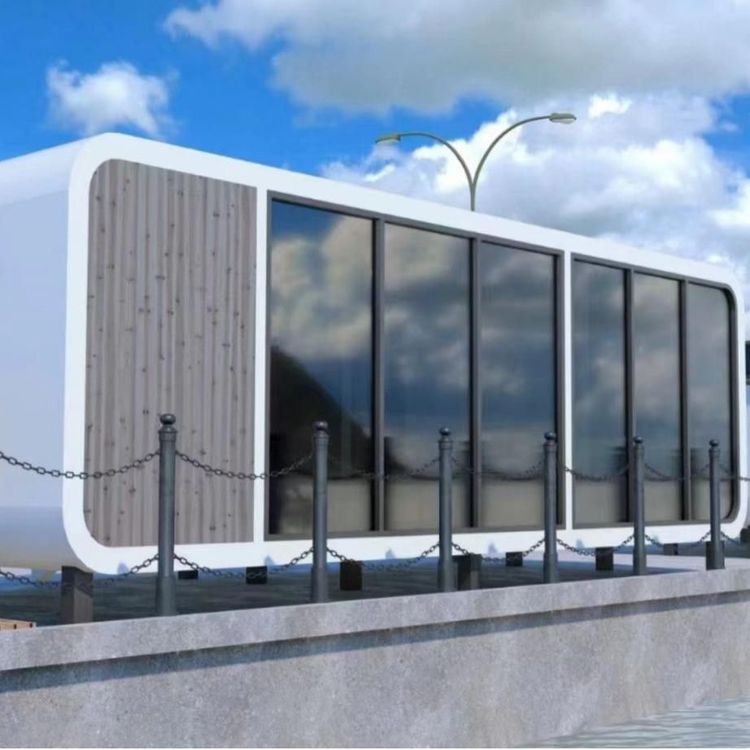
Tibet Mobile Environmental Toilet
Tibet mobile environmental toilets have diverse characteristics and can meet the needs of different scenarios, with special designs for the plateau environment.

Brands and Materials: There are numerous brands of mobile environmental toilets in Tibet, such as Huazhifeng, Yibingsi, Sailina, Gerunsi, Miaoxin, and Hongsi. In terms of materials, stainless steel, steel structures, and aluminum-plastic panels are used. These materials are sturdy and durable, capable of adapting to complex outdoor environments and ensuring the long-term stable use of the toilets.
Uses and Sewage Disposal Methods: They have a wide range of uses, suitable for various scenarios such as outdoor restrooms, mobile toilets, and toilet renovations. They can be seen in places like scenic spots, residential areas, and parks. There are diverse sewage disposal methods, including water-flushing, vacuum self-priming, and septic tanks, which can be selected according to different needs and usage environments.
Customized Services: Some mobile environmental toilets in Tibet can be customized as required. For example, a customer in Tibet customized a suite-style toilet suitable for scenic park camping bases. The overall design of the public restroom adopted a cabin shape and incorporated decorative panels resembling the Great Wall, meeting both functional requirements and having a certain aesthetic appeal.
Plateau Environment Adaptability Design: Mobile restrooms in Tibetan scenic spots adopt a modular structure, consisting of three major modules: a processing unit, a storage unit, and an auxiliary system. The processing unit transforms solid waste through biological degradation or physical separation methods and is equipped with an independent urine diversion device. The storage unit is divided into two isolated chambers to temporarily store solid decomposition products and liquids separately. The auxiliary system includes ventilation devices and solar power supply equipment. Considering the impact of air pressure changes in areas above an altitude of 4,000 meters on the treatment process, pressure regulation devices are required in low-pressure environments. Due to large temperature differences between day and night, flexible connection materials are used for pipes, and the insulation layer of the storage unit is thickened. Water resource utilization adopts a closed-loop design, which can be switched to a waterless mode in winter. The ventilation system uses a passive air duct design. There are zoned and graded operation procedures for cleaning and maintenance. Special sealed containers are used for waste transportation, and maintenance personnel need to receive special training for plateau operations. The installation site selection needs to comprehensively consider geological stability and ecological sensitivity, and dark colors that harmonize with the environment are often chosen for the appearance.