Mobile Toilet at Tibetan Intersection
Mobile toilets at Tibetan intersections typically adopt mobile eco-friendly public toilet forms, featuring environmental protection, mobility, self-sufficiency in energy, and strong environmental adaptability.

1. Application of Environmental Protection Technologies
Mobile toilets at Tibetan intersections mainly utilize waterless or micro-water treatment technologies to minimize impacts on the local fragile ecosystem. These include:
- Packaging Type: Uses biodegradable biofilms to automatically package excreta, preventing sewage leakage and suitable for areas without water sources.
- Biodegradable Type: Utilizes microbial strains to decompose excreta into carbon dioxide, water, and inorganic salts, achieving zero pollution emissions and suitable for long-term use scenarios.
- Vacuum Suction Type: Uses minimal water or foam to suction waste, reducing water consumption and suitable for places with scarce water resources but requiring frequent cleaning.
2. Structural and Mobility Design
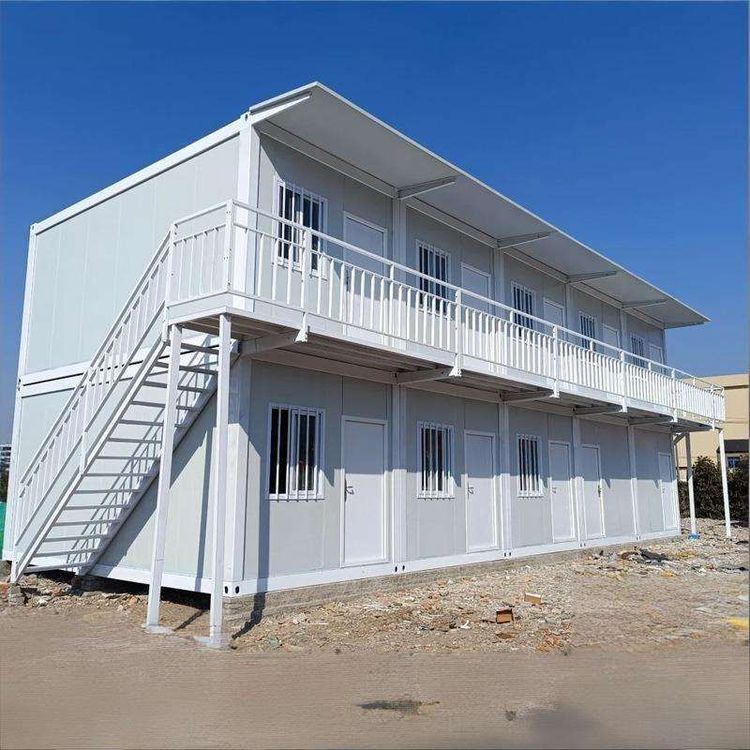
The toilet body is constructed with lightweight, high-strength steel structural frames and composite panels, forming an independent box structure. This design allows for transportation by trucks and lifting, enabling rapid deployment at scenic overlooks, starting points of hiking trails, temporary event venues, and other intersection-related locations. At the end of the tourist season or when ecological restoration is needed, the entire unit can be moved away, minimizing long-term interference with the surface landscape and ecology, meeting the ecological protection needs of the Tibetan region.
3. Energy Self-Sufficiency and Management System
Photovoltaic panels are installed on the top of the box to convert solar energy into electricity and store it in batteries, powering lighting, ventilation systems, control units, and biological treatment systems, achieving energy self-sufficiency. Some toilets are equipped with intelligent monitoring systems that can remotely monitor fecal storage levels, equipment status, etc., facilitating timely cleaning and maintenance and reducing manual inspection costs.
4. Environmental Adaptation and Humanized Design
In response to the cold climate in Tibet, the box material has good thermal insulation properties, and the interior can be equipped with small heating devices powered by solar energy to prevent pipe freezing and enhance the user experience in cold weather. Additionally, the toilet is equipped with anti-slip floors, door locks, sinks, and other basic facilities to ensure safety and convenience during use.
5. Supply and Service Support
Local manufacturers in Tibet provide outdoor finished mobile public toilets, priced at 1200 yuan per unit, with a delivery period of 5 days and a total supply of 780 units. They support nationwide delivery and custom processing. The product models are diverse, colors are optional, and the applicable fields are extensive, covering regions such as Lhasa, Qamdo, Ngari, Nyingchi, Nagqu, Shigatse, and Shannan, meeting the needs of different scenarios.