
Tibet Internet-Famous Container House
Tibet's internet-famous container houses are mostly transformed from modular containers, featuring adaptability to the plateau environment, diverse functions, and a wide range of application scenarios. The following provides an introduction from the aspects of design, functionality, application scenarios, and representative cases:
Design Features
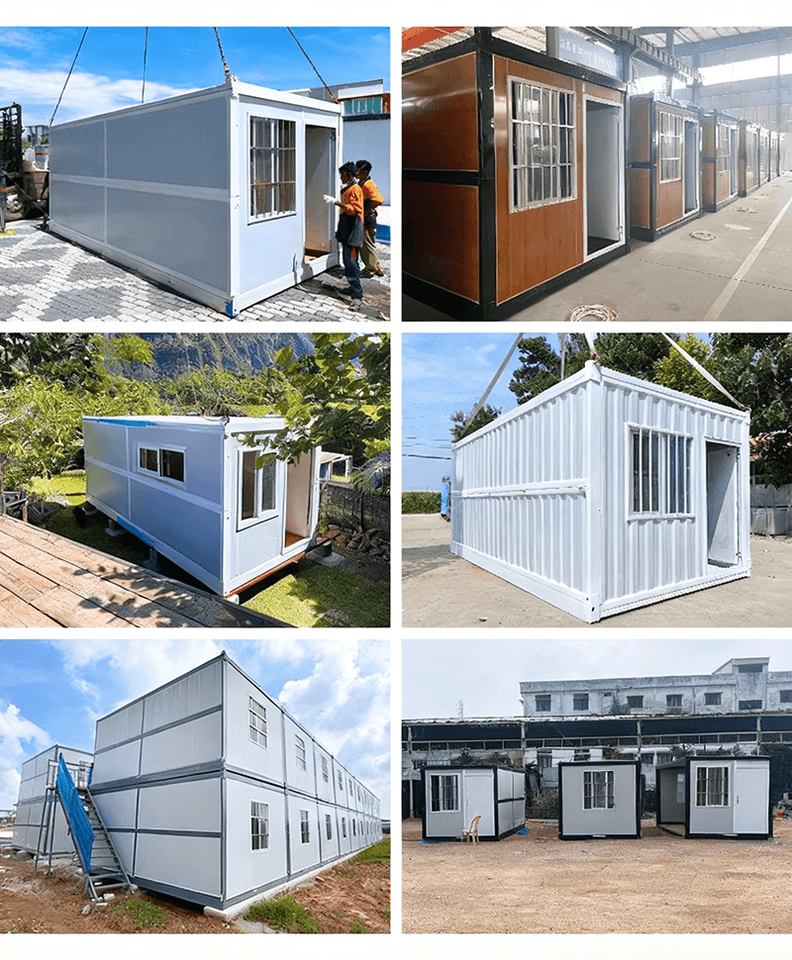
Tibet's internet-famous container houses often adopt a modular design, using standard containers as the foundation and transforming them into livable spaces through cutting, welding, and assembly processes. For example, Chengdu Siji Yiju Integrated Housing Co., Ltd. offers customized internet-famous landscape container houses that support fully personalized exterior customization. They can be equipped with panoramic floor-to-ceiling glass, starry sky balconies, double-decker terraces, and other structures, integrating traditional Tibetan elements (such as wood-grain carved panels and sloped roofs) with natural landscapes to create a unique visual style. The interior features a column-free open-plan design, providing flexible space that can be freely combined into single-story, double-story, or row-house structures to meet different functional needs.
Functional Characteristics
- Adaptability to the Plateau Environment: In response to Tibet's high altitude, strong ultraviolet radiation, and large temperature variations, container houses adopt earthquake-resistant, wind-resistant, and thermal insulation designs. For example, the products of Jihang Integrated Housing Business Department in Duilong Deqing District, Lhasa, emphasize structural stability, capable of withstanding strong winds and earthquake pressures, while using sandwich panels and other materials to achieve thermal insulation, moisture resistance, and waterproofing functions.
- Rapid Deployment and Mobility: Modular production technology allows container houses to be disassembled into standard components, enabling efficient on-site assembly and low transportation costs. Some foldable container houses (such as the foldable container mobile homes in Lhasa) support rapid expansion and retraction, with delivery and installation completed within three days, suitable for temporary needs.
- Complete Internal Facilities: The houses are usually pre-installed with independent bathrooms, ceilings, full-house electrical circuits, and air conditioning outlets, supporting external power connections for immediate use. Some high-end models also feature observation windows and 270° panoramic views, enhancing living comfort.
Application Scenarios
- Cultural Tourism Homestays: For example, Shanzeju Wild Luxury Peach Orchard Courtyard Resort uses modular containers stacked with Tibetan "mani stone pile" techniques, integrating low-carbon environmental protection concepts with natural landscapes to become an internet-famous attraction.
- Construction Site Dormitories and Offices: In projects such as the Sichuan-Tibet Railway and hydropower development, container houses serve as worker dormitories, temporary offices, and duty rooms, meeting the needs of long-term field operations.
- Municipal and Emergency Facilities: Some companies provide customized solutions for mobile toilets and municipal public restrooms, adapting to the special plateau environment.
Representative Cases
- Shanzeju Homestay: Through modular container design, combined with Tibetan elements and large floor-to-ceiling windows, it creates a wild luxury hotel with both cultural characteristics and landscape value.
- Jihang Integrated Housing: Its product line covers standard container houses, foldable houses, and customized Tibetan-style homestays, with engineering cases spread across Lhasa, Nagqu, Nyingchi, and other places, verifying the product's adaptability to the plateau environment.
- Siji Yiju Internet-Famous Container Houses: Focusing on personalized exteriors and flexible space combinations, they are widely used in camping bases and scenic area homestays, becoming a benchmark in Tibet's mobile homestay market.



