
Tibet Color Steel Ecological Mobile Toilet
The Tibet Color Steel Ecological Mobile Toilet is a modular sanitation facility designed specifically for the unique high-altitude environment, achieving low-disturbance operation and resource recycling through material optimization, environmental protection technologies, and ecological adaptability.
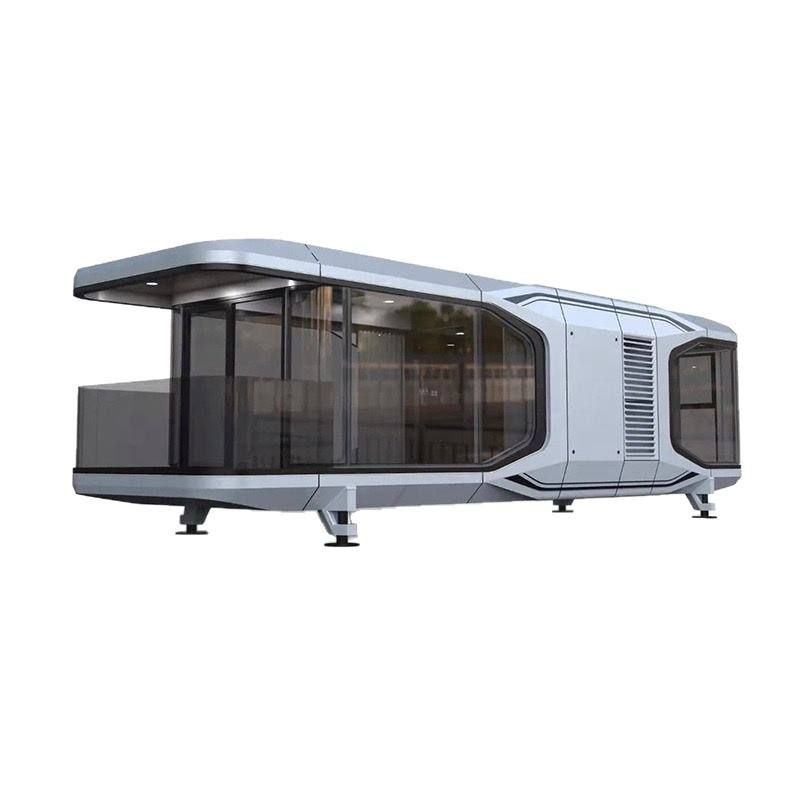
Material and Structural Design: Adapting to Extreme Conditions
The main body combines colored coated steel sheets with light steel keels, with a corrosion-resistant surface treatment to withstand strong ultraviolet rays and wind-blown sand in high-altitude regions. The interior is filled with polyurethane or rock wool insulation materials to minimize the impact of day-night temperature variations. Modular prefabrication reduces on-site construction, lowering land disturbance. Structural connections use bolt fastening instead of welding for easy disassembly and transportation. The foundation design varies between shallow foundation insulation layers in permafrost areas and prefabricated concrete blocks in non-permafrost areas to prevent structural deformation caused by freeze-thaw cycles.
Integrated Environmental Protection Technologies: Efficient Resource Utilization
- Water Conservation and Fecal Treatment: Utilizes vacuum or micro-flush toilet technology, consuming only 1/10 of the water used by traditional toilets, significantly reducing water consumption. Feces are rapidly decomposed by biodegradation agents, with the final product, after meeting standards, used as a soil conditioner for vegetation restoration, achieving resource recycling.
- Pollutant Control: Equipped with an activated carbon filtration deodorization system, multi-layer sealed sewage storage tanks, and insulated sewage discharge pipes to prevent leakage and winter freezing blockages; transportation uses dedicated sealed vehicles to avoid secondary pollution.
- Energy Self-Sufficiency: Relies on solar photovoltaic panels and battery packs for power supply, adapting to the abundant sunlight in high-altitude regions and reducing dependence on external energy sources.
Ecological Adaptability Details: Minimizing Environmental Impact
- Site Selection and Landscape Integration: Avoids wildlife migration paths and water source buffer zones, with an exterior color coordinated with the surrounding landscape to reduce visual disturbance.
- Waste Management: Operational and maintenance waste components (such as batteries and filters) are sorted and recycled to avoid local disposal; the modular design supports rapid combination and expansion, adapting to peak tourist seasons or temporary event needs, reducing long-term construction impacts on the ecology.
Sustainability Advantages: Long-Term Economic and Ecological Benefits
The color steel sheet materials are recyclable, and the entire facility can be disassembled and relocated to new sites for reuse, avoiding the construction waste generated by traditional brick toilets after abandonment. Manufacturers control costs through standardized production, promoting their popularity in remote high-altitude areas and balancing ecological protection with infrastructure needs.
The core value of such facilities lies in their "targeted adaptability", achieving low-disturbance operation in fragile ecological conditions through technical adjustments, providing a sustainable sanitation solution for high-altitude regions.



