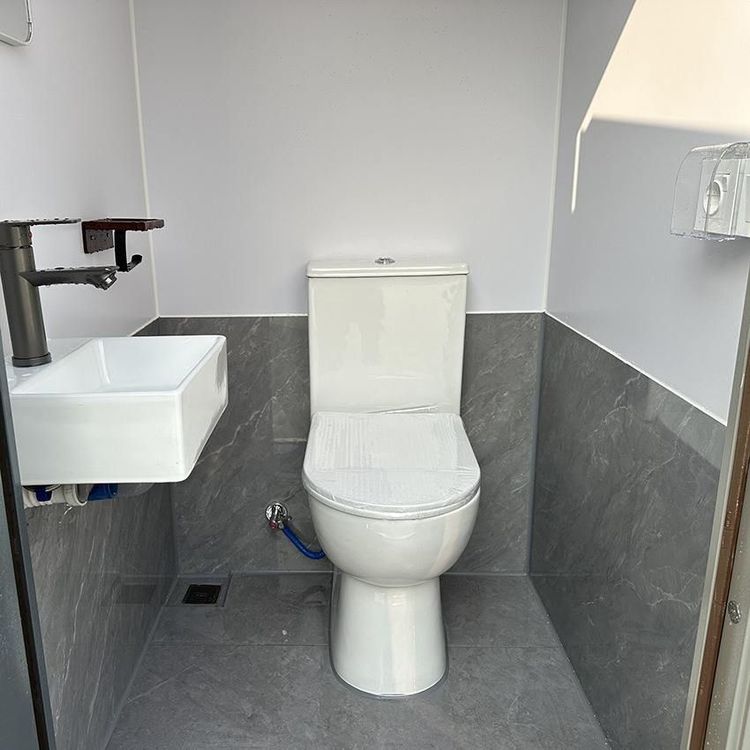
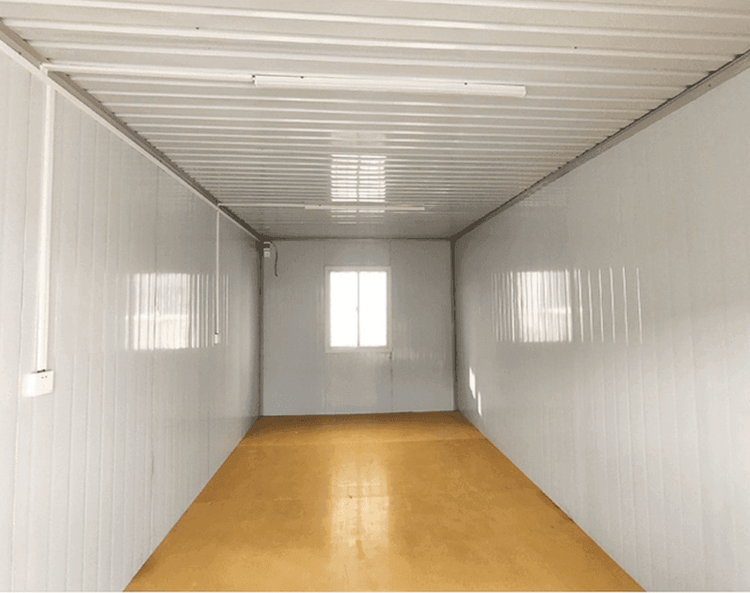
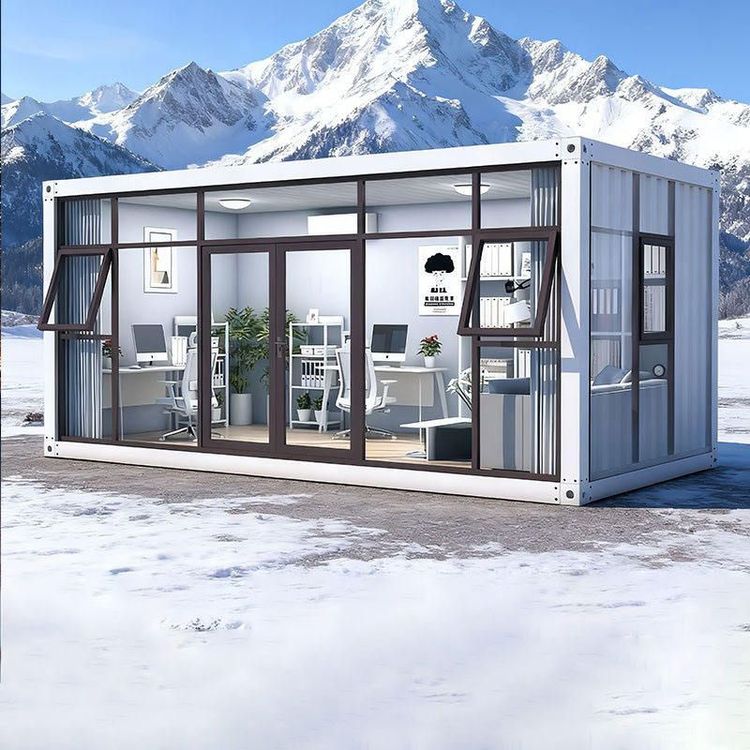
Finished Product of Cement Prefabricated Houses in Tibet
The finished product of cement prefabricated houses in Tibet possesses characteristics such as earthquake and pressure resistance, thermal insulation and energy efficiency, and a short construction period, and has formed a complete industrial chain.
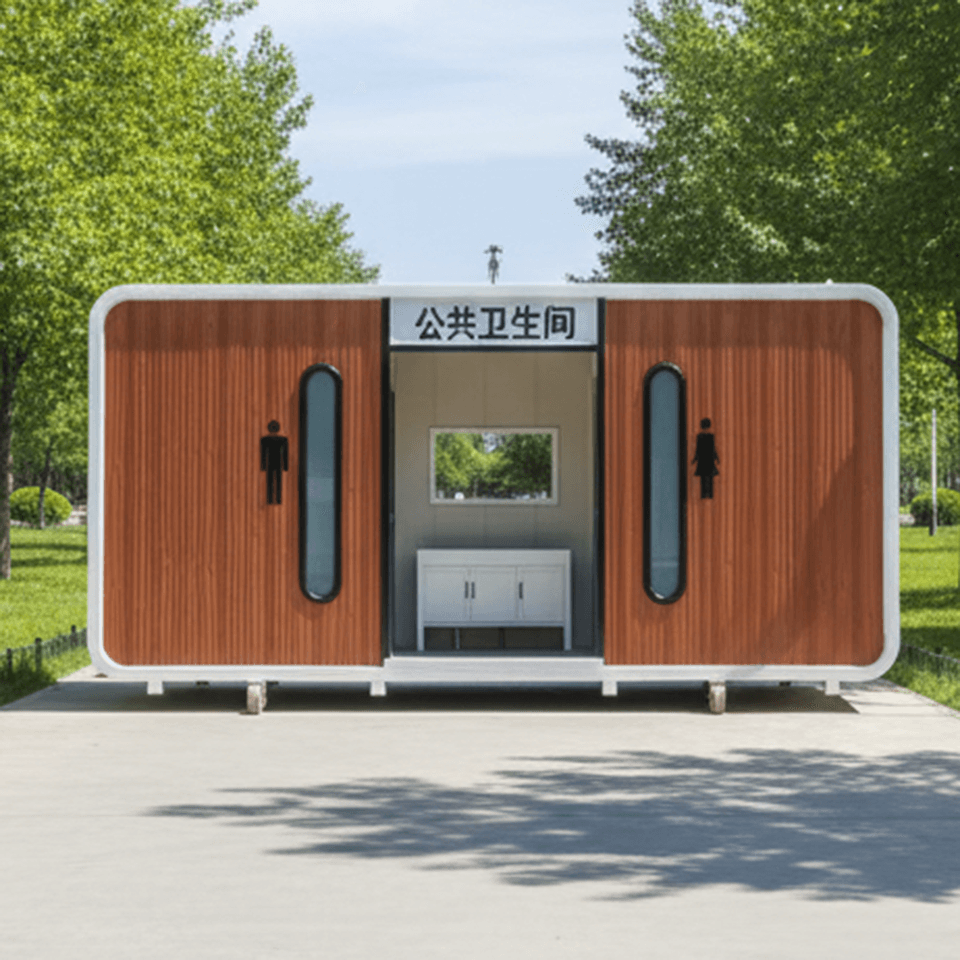
1. High-altitude Environmental Adaptability Design
Cement prefabricated houses in Tibet employ targeted material ratios and structural designs to adapt to the extreme high-altitude climate. For example, adding antifreeze admixtures and adjusting the water-cement ratio in prefabricated components can enhance durability. Internal reinforcement structures (such as Φ8-Φ12 steel bar meshes) are installed, optimizing stress distribution through differential calculations to ensure long-term stability of components in low-temperature and strong ultraviolet environments. Core components (walls, floors, etc.) use C30-C40 grade concrete, with a compressive strength of 25-30 MPa, 1.5 times that of traditional brick-and-mortar structures, effectively resisting external forces such as earthquakes.
2. Thermal Insulation and Energy Efficiency Optimization
In response to the large temperature variations between day and night on the plateau, the house walls are designed with reserved slots for EPS insulation layers, which, when inserted on-site, improve thermal insulation performance by 40%, reducing indoor temperature fluctuations. The prefabricated structure integrates multiple functions such as thermal insulation and waterproofing through factory prefabrication, avoiding errors in on-site construction of traditional buildings and further enhancing energy efficiency. For example, after the overall construction of a 100㎡ house, winter heating energy consumption can be reduced by more than 30%.
3. Significant Improvement in Construction Efficiency
The prefabricated building model breaks through the limitations of the effective construction period for traditional cast-in-place buildings in Tibet (only 6-8 months). By combining factory prefabrication with on-site assembly, the construction period is shortened by more than 50%: a single 30㎡ module takes only 7 days for factory prefabrication, 4 hours for on-site installation, and the overall construction of a 100㎡ house takes only 2 days. This model greatly reduces the dependence of high-altitude construction on seasons and lowers labor and time costs.
4. Policy and Industrial Chain Support
The prefabricated building market in Tibet is driven by policies and is listed as a green building material and characteristic advantage industry. In 2023, the scale of China's prefabricated building market reached 1.7 trillion yuan, with concrete structures accounting for 64%. Local enterprises in Tibet (such as Tibet Zangjian Technology Co., Ltd.) have established national-level industrial bases, providing full-chain services from component production to overall solutions, promoting technological standardization and large-scale application.