
Tibet Anticorrosive Wood Mobile Toilet
The Tibet anticorrosive wood mobile toilet is a practical public facility choice that adapts to complex environments such as high altitude cold and oxygen deficiency, meeting the needs of diverse scenarios. Its application value and technical characteristics can be analyzed from the following aspects:
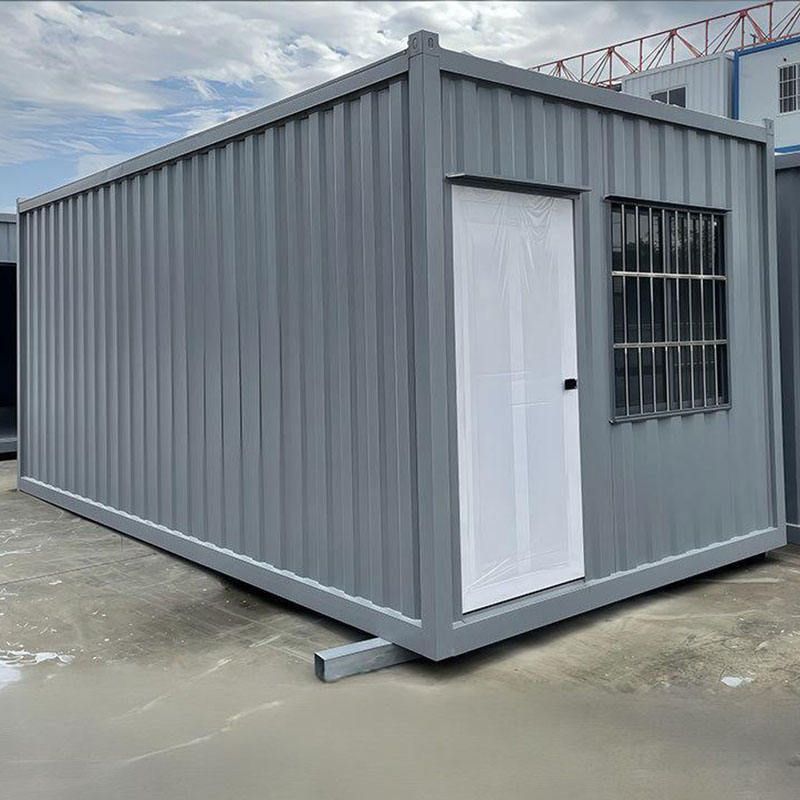
1. Adaptability of Material and Craftsmanship
The main frame of the anticorrosive wood mobile toilet is made of pressure-treated wood. Through vacuum impregnation, preservatives penetrate deeply into the wood, forming a protective layer that resists corrosion and insect infestation. This process not only retains the natural texture of the wood but also significantly extends its service life, making it particularly suitable for the high-altitude cold and strong ultraviolet environment in Tibet. The wood's resistance to salt spray and acid rain further ensures its structural stability under extreme climatic conditions.
2. Modular Design and Rapid Deployment Capability
The interior of the toilet adopts an assembled structure, with walls, roof panels, floor panels, and other components connected through standardized interfaces, eliminating the need for on-site welding or pouring. The installation period can be shortened to 1-2 days, greatly reducing dependence on Tibet's complex geological conditions, especially suitable for remote areas with short construction periods and high transportation costs. The modular design also supports flexible disassembly and reassembly, facilitating adjustments in scale or relocation according to actual needs.
3. Flexibility in Environmental Protection Treatment Methods
In response to the significant differences in water source conditions in Tibet, the anticorrosive wood mobile toilet offers two environmental protection treatment modes:
- Scenarios with water sources: Connected to municipal water supply through an inlet pipe, sewage is treated in a septic tank and discharged in compliance with local sewage discharge regulations;
- Scenarios without water sources: Utilizes a waterless packaging technology, wrapping excrement in biodegradable film for regular replacement, avoiding dependence on water resources.
A case study in a mountainous scenic area shows that by increasing the capacity of the fecal tank and the frequency of collection and transportation, the problem of tourists' toilet access can be effectively solved.
4. Resistance to Environmental Interference and Energy Self-Sufficiency
By adding antifreeze, the anticorrosive wood material can adapt to temperature differences ranging from -30℃ to 40℃, meeting the needs of Tibet's large diurnal temperature variations. Some models are equipped with solar power systems to provide electricity for lighting and ventilation equipment, reducing dependence on external energy sources, especially suitable for areas with weak power infrastructure.
5. Customization and Cultural Integration Characteristics
In Tibet, there is a demand for customized appearances of mobile toilets, such as Tibetan-style designs and colorful paintings. The anticorrosive wood mobile toilet can be designed by adjusting dimensions and decorative tops to integrate with natural landscapes or cultural elements. For example, a case study features a design combining metal carved panels with Tibetan-style colorful paintings, meeting both functional needs and reflecting regional cultural characteristics.
6. Market Supply and Scenario Coverage
The anticorrosive wood mobile toilet is provided by multiple companies, including Chengdu Yuannan Technology Co., Ltd. Its product line covers various materials such as stainless steel, metal carved panels, and anticorrosive wood, meeting the needs of scenarios in Tibet such as municipal areas, scenic spots, and construction sites. Its modular design and flexibility in environmental protection treatment methods make it a preferred solution for public facility construction in Tibet.



