Tianshui Mobile Toilet Design
The design of Tianshui mobile toilets revolves around core elements such as space, functionality, materials, operation and maintenance, modularity, and environmental protection, meeting diverse scenario demands through systematic technological integration.

1. Adaptability of Spatial Layout
The design is based on a modular concept, adjusting unit dimensions and internal layouts according to pedestrian density and site conditions in different scenarios. For example, peak scenarios like festivals and events require optimizing the ratio of toilet stalls, aisle widths, and barrier-free facility configurations to enhance spatial turnover efficiency; daily scenarios like parks focus on stable usage demands, balancing functionality and comfort.
2. Integrated Functionality
The technological system is highly integrated, covering three major modules: sewage disposal, water resources, and electricity. Sewage treatment employs biodegradation, chemical treatment, or vacuum collection technologies to adapt to different environmental conditions; water resource management achieves resource recycling through water-saving flushing devices, rainwater collection, or graywater recycling interfaces; power supply relies on an off-grid system composed of solar panels and battery packs to provide stable energy for lighting, ventilation, and intelligent indicator systems.
3. Material and Structural Considerations
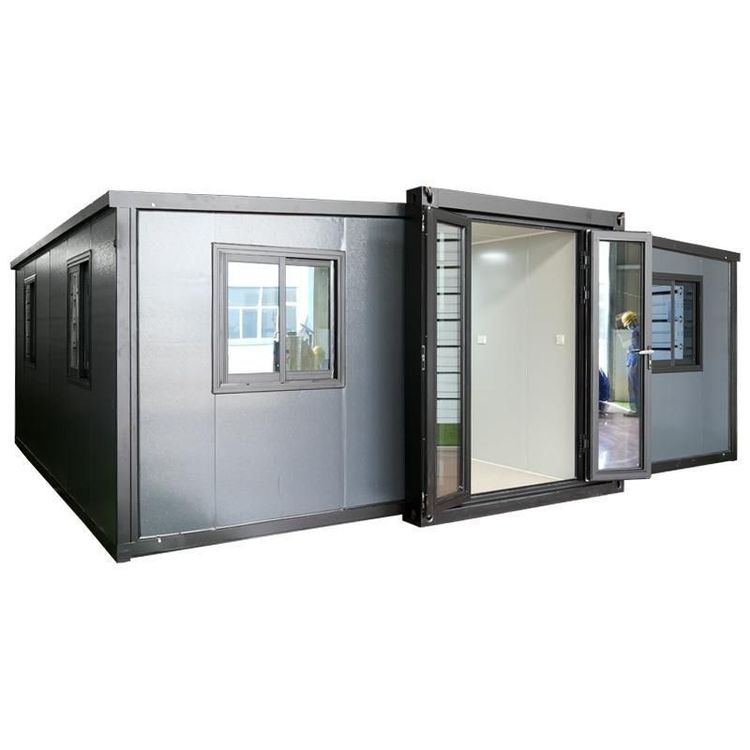
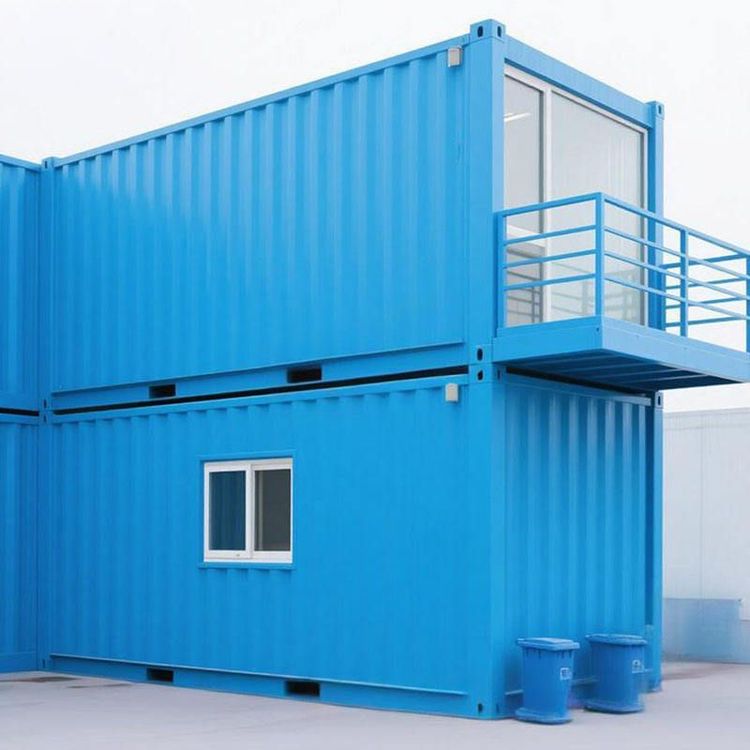
The box structure selects lightweight yet high-strength materials such as fiberglass, aluminum alloy, or special composite materials, balancing structural strength, weather resistance, corrosion prevention, and thermal insulation while controlling overall weight for ease of transportation. The frame design draws on standardized container concepts to ensure safe hoisting; internal finishing materials must meet fire resistance, slip resistance, corrosion resistance, and easy cleaning requirements to extend service life and reduce maintenance costs.
4. Deployment and Operation and Maintenance Strategies
Before deployment, it is necessary to assess geological bearing capacity, transportation route accessibility, and environmental impact buffer distances to ensure site selection rationality. During the operation and maintenance phase, establish periodic cleaning and disinfection, consumable replenishment, and technical subsystem monitoring mechanisms, with a focus on maintaining the sewage treatment unit and power system to prevent failures and extend equipment lifespan.
5. Modularity and Adaptability
Multiple structural solutions are provided, including single-unit, combined, sink-equipped, and barrier-free special-needs models, to adapt to different spatial conditions and user groups. The box adopts high-strength polyester composite materials with UV resistance, low-temperature tolerance, and scratch resistance; internally equipped with water-saving sensor flush valves, anti-slip mats, and intelligent lighting systems to enhance user experience.
6. Integration of Environmental Protection Concepts
Water-saving technologies are integrated throughout the system design. Urinals use waterless micro-foam covering technology, and squat toilet flush volumes are controlled within 2.5 liters; some models are equipped with graywater recycling modules for floor flushing or green plant irrigation. The box surface coating has self-cleaning properties, reducing manual wiping frequency; discarded equipment enters the recycling process according to regulations to reduce the environmental burden throughout its lifecycle.