Tianshui Foam-Sealing Mobile Toilet
The Tianshui foam-sealing mobile toilet is an environmentally friendly mobile toilet that uses foam-sealing technology to achieve waterless or micro-water flushing, featuring water conservation, odorlessness, modular design, and flexible deployment.

Technical Principle and Water-Saving Advantages
The foam-sealing technology generates fine foam through physical and chemical means to cover the surface of excreta, forming a sealed layer that isolates odors and prevents excreta from coming into contact with the air, thus eliminating the need for large amounts of water for flushing or requiring only a minimal amount of water for auxiliary cleaning. This technology significantly reduces reliance on a continuous water supply, making it particularly suitable for water-scarce areas or temporary event scenarios. For example, the mobile public toilets provided by Gansu Kangaroo Intelligent Technology Engineering Co., Ltd. in scenic spots are clearly labeled as 'foam-covered, environmentally friendly, and odorless' and support both water-flushing and foam-sealing modes, which can be flexibly switched according to actual needs.
Modular Design and Environmental Adaptability
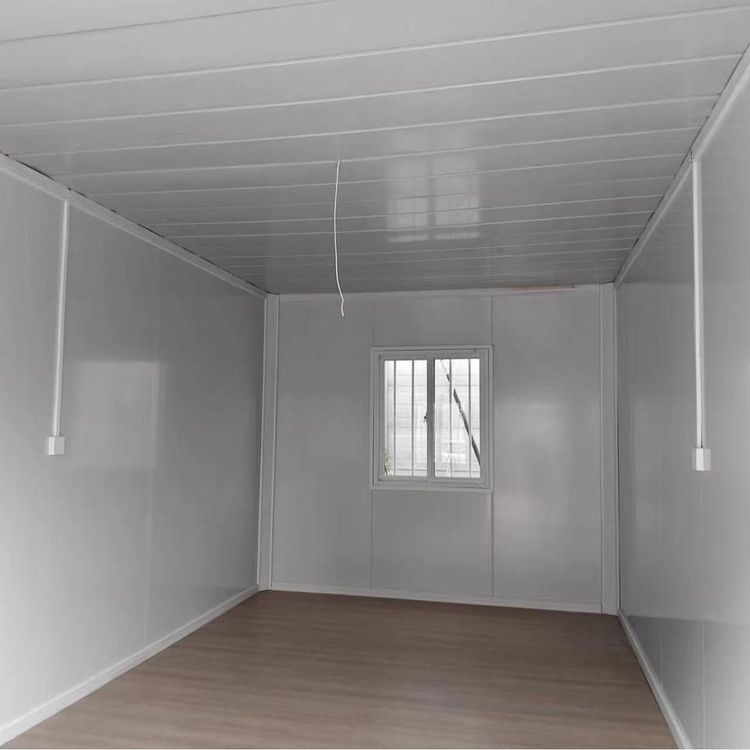
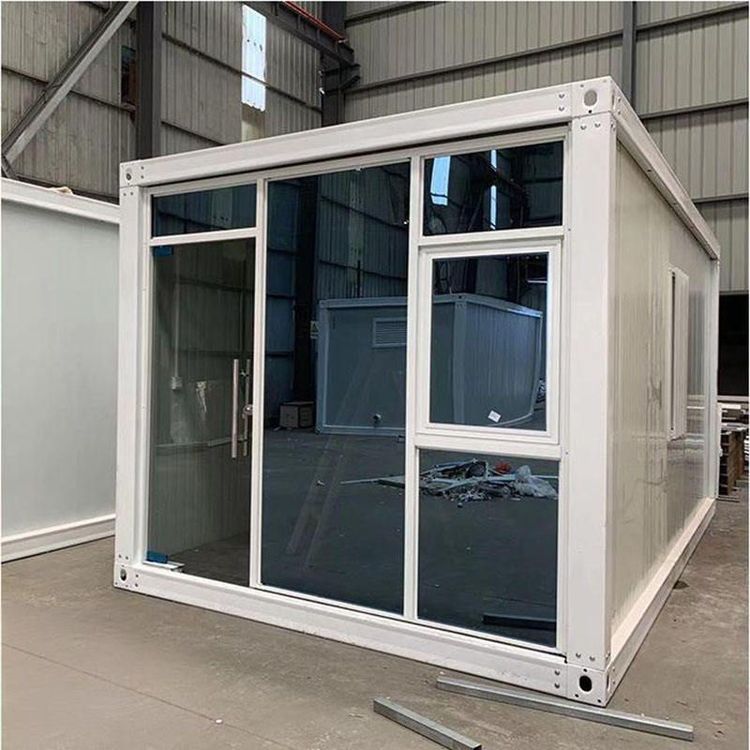
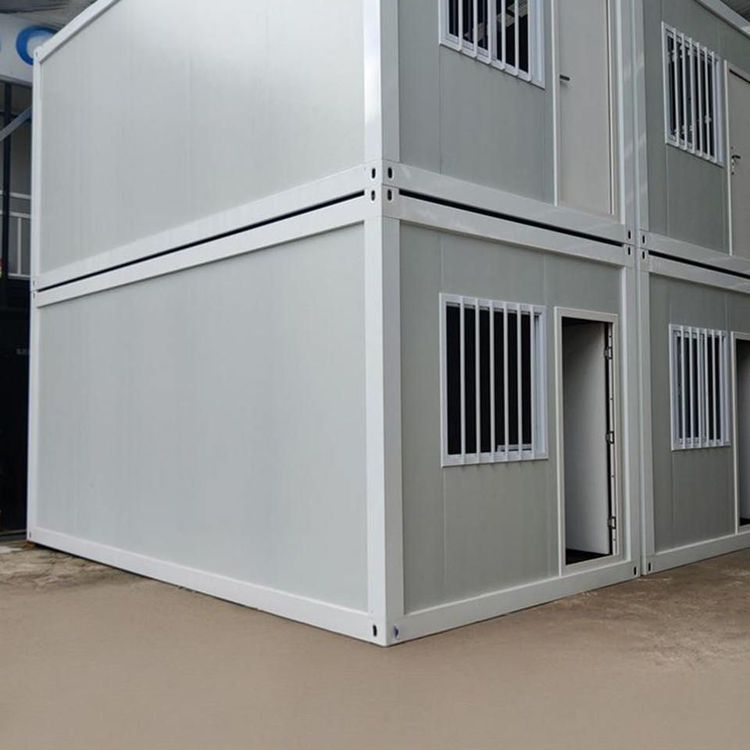
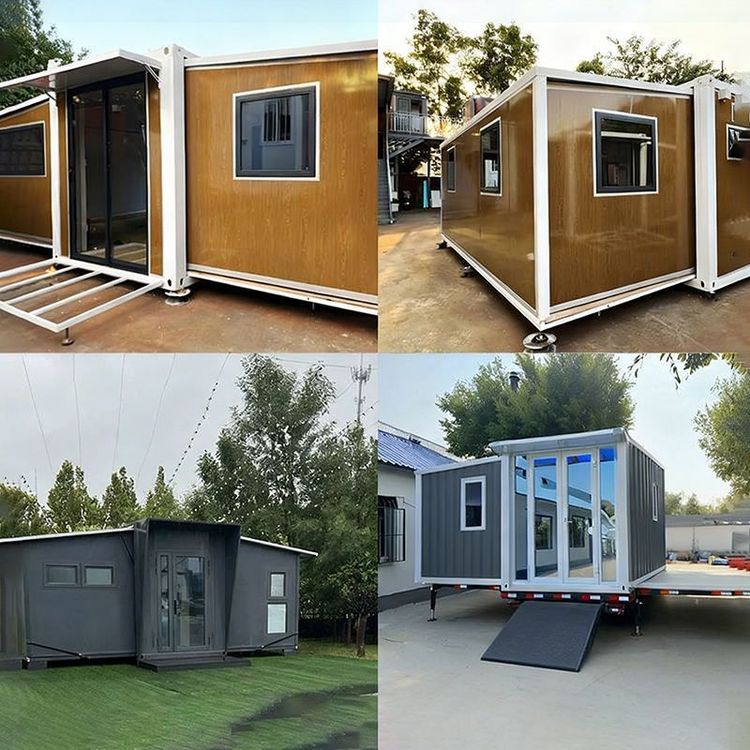
The toilet cabinet adopts an integrated environmental treatment unit, including pre-designed pipe routing, water storage containers, waste treatment compartments, and independent ventilation paths. All components are assembled and tested in the factory to form independent modules, which can be transported as a whole to the site for rapid deployment, shortening the construction period and reducing on-site installation difficulty. In terms of materials, the foam-sealing ecological toilets produced by Cangzhou Hengtai Sanitation Equipment Co., Ltd. offer options such as color steel plates and metal carved plates, balancing durability and aesthetics; they are suitable for temperatures ranging from -30°C to 40°C, capable of withstanding extreme climatic conditions.
Waste Treatment and Environmental Performance
Waste treatment employs methods such as biological agent decomposition, chemical solidification, or sealed packaging. Biological agents decompose organic matter through microbial metabolism, reducing waste volume and pollution; chemical solidification hardens excreta by adding solidifying agents, facilitating subsequent removal; sealed packaging directly encapsulates waste in biodegradable bags, preventing secondary pollution. These methods ensure that the toilet can operate continuously without connecting to traditional sewers, making it suitable for scenic spots, construction sites, and other areas without municipal sewer networks.
Deployment Strategy and Maintenance Management
Deployment should be planned based on tourist movement patterns, single-visit durations, and environmental carrying capacity. For example, Tianshui tourist attractions set up toilets midway along hiking trails or near viewing platforms, with capacity and cleaning frequency matched to estimated visitor numbers to avoid resource waste or insufficient service. Maintenance management includes regular waste removal, water replenishment, replacement of consumables (such as foam solution and toilet paper), and inspection for equipment wear. The cleaning and disinfection process should be standardized, such as wiping surfaces with chlorine-based disinfectants and irradiating internal spaces with ultraviolet lights to block pathogen transmission.