
Back to blog
Article
Installation of Mobile Toilets in Tianmen Pastoral Area
Admin October 06, 2026
The installation of mobile toilets in the Tianmen pastoral area should be carried out in accordance with the following standardized procedures, taking into account site conditions and toilet types:
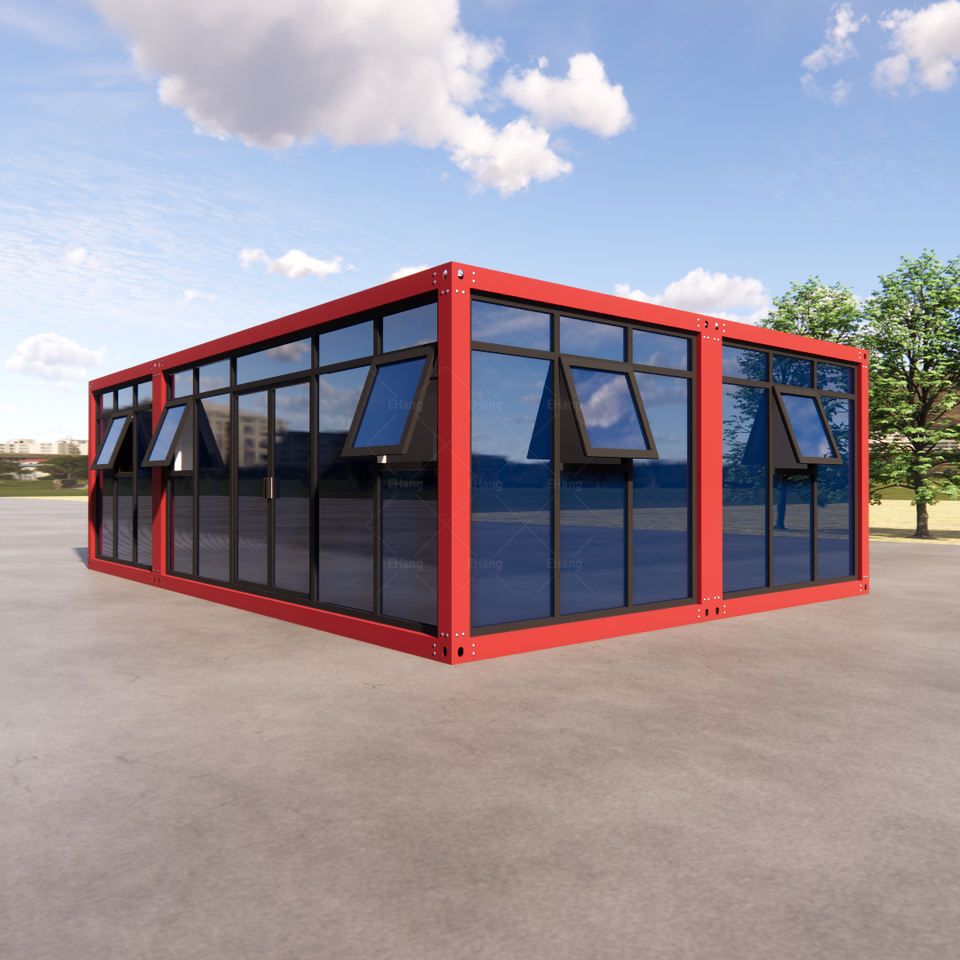
I. Site Assessment and Preparation
- Basic Condition Inspection: Accurately measure the levelness of the installation area, with errors controlled within a minimal range to prevent uneven structural stress; test the soil's load-bearing capacity, and if insufficient, pour a concrete foundation to distribute the load; confirm the distribution of underground pipelines to avoid construction damage.
- Access and Sewage Planning: Reserve sufficient space for the passage of septic tank cleaning vehicles or the connection of sewage pipes; check that sewage pipes are unobstructed, removing debris such as mud and waste paper; locate stress points or lifting hook positions based on the toilet type (pointed or flat roof) to ensure safe lifting.
- Ground Treatment: Select a level ground area; if the ground is uneven or the soil is soft, harden it in advance (e.g., by pouring concrete) or lay steel plates to prevent structural subsidence.
II. Main Structure Installation
- Eco-Friendly Toilets (No Sewage Pipe Connection Required): Place the toilet body steadily on a prefabricated foundation or adjustable legs, achieving rigid connection through bolts or welding to enhance wind resistance.
- Toilets Connected to the Sewer Network: Before positioning the toilet body, lay and seal sewage pipes in advance, ensuring the pipe slope meets fluid discharge requirements (usually not less than 2%) to prevent blockages.
- Split-Type Toilets: First, place the steel structure chassis and adjust its levelness; sequentially insert and secure sandwich panel walls; finally, install the roof panel and seal it to prevent rainwater leakage.
III. Functional System Connection and Commissioning
- Water and Electricity Connection: Install anti-freeze and pressure-reducing devices on water supply lines; ensure electrical wiring meets waterproof safety standards and is reliably grounded; keep ventilation ducts unobstructed to prevent odor accumulation.
- Facility Commissioning: Test movable components such as flushing systems, lighting fixtures, and exhaust fans to ensure normal functionality; separately commission biochemical or physical filtration devices for toilets with built-in wastewater treatment units to guarantee treatment effectiveness.
- Modular Optimization: For modular-designed toilets, use quick connectors to shorten water and electricity connection times; for integrated box-type toilets, only lifting into place and connecting water, electricity, and sewage pipes on-site are required, improving construction efficiency.
IV. Detail Verification and Adaptive Adjustment
- Safety Inspection: Test all movable components such as door locks and flushing devices; recheck the stability of handrails and shelves; confirm that ancillary facilities such as external ramps and warning signs comply with accessibility and safety standards.
- Environmental Adaptation: Adjust structural stability according to pastoral area climate conditions (e.g., strong winds, low temperatures), such as reinforcing connectors or adding windbreak ropes; check the effectiveness of anti-freeze devices to prevent pipe freezing and cracking.
Notes: Prioritize modular or integrated designs to shorten on-site construction time; strictly refer to the "Hygiene Standards for Mobile Toilets" (GB/T 21239-2023) during the installation process to ensure hygiene and safety standards are met.
Related



