Tianmen Construction Site Portable Toilet Design
The design of portable toilets for construction sites in Tianmen should focus on modularity, functional adaptability, and environmental protection and energy conservation, optimized according to actual site requirements.

Modular Design: Rapid Assembly and Flexible Transportation
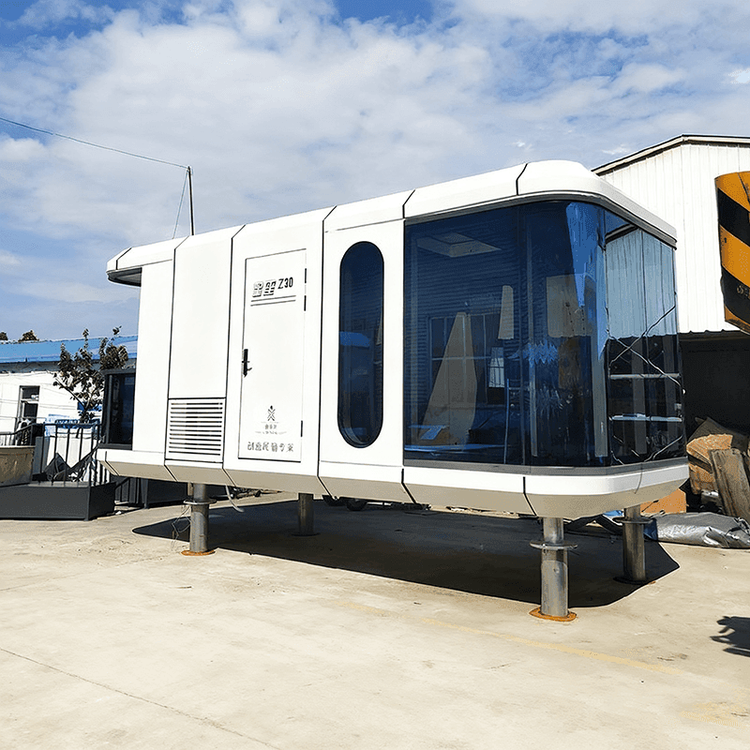
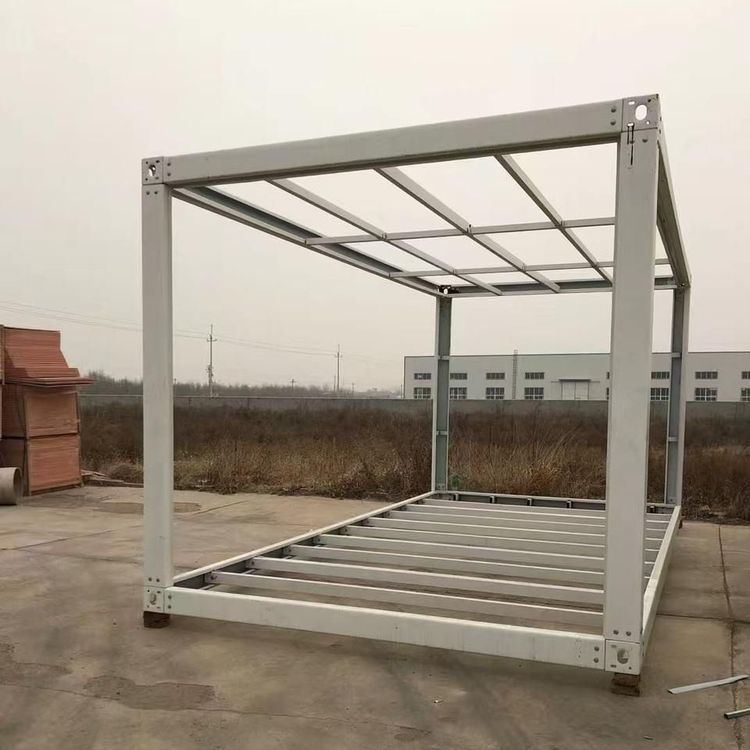
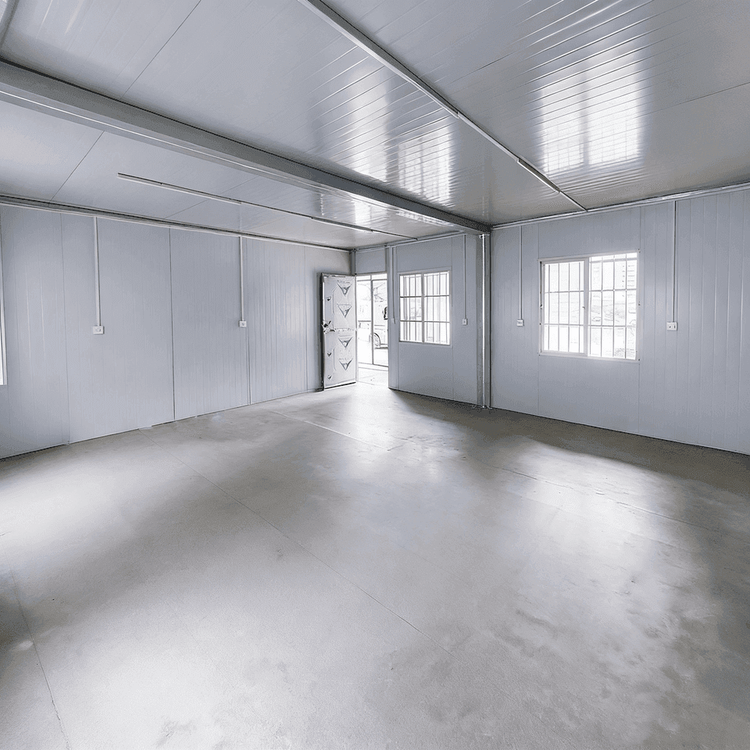
The main structure of portable toilets for construction sites typically uses prefabricated steel or composite panel modules, enabling quick disassembly and assembly through standardized design. During transportation, the toilet can be divided into several core components (such as walls, roof panels, and bases), reducing volume and facilitating transport to the construction site via ordinary vehicles. Assembly requires only simple joining to complete the overall structure, saving time and improving efficiency, making it particularly suitable for construction sites with tight schedules or frequent site changes. Additionally, modular design supports future functional expansions or structural adjustments, such as adding more toilet stalls or upgrading equipment, offering strong flexibility.
Functional Adaptability: Meeting Complex Construction Site Conditions
Construction sites demand higher durability from portable toilets, requiring designs that emphasize collision resistance, oil and dirt resistance, and ease of cleaning. For example, exterior wall materials can be high-strength composite panels or corrosion-resistant metals with scratch-resistant surface treatments to prevent damage from construction machinery collisions; interior facilities (such as partitions and door locks) should use impact-resistant materials to prevent vandalism. Meanwhile, given the prevalence of oil and dust at construction sites, toilet floors should use slip-resistant, corrosion-resistant materials and feature sloped drainage designs for quick cleaning. Additionally, ventilation systems should be enhanced with additional exhaust fans or natural ventilation openings to reduce odor buildup and improve user comfort.
Environmental Protection and Energy Conservation: Reducing Resource Dependence
The environmental design of portable toilets for construction sites primarily focuses on water resource recycling and energy self-sufficiency. Most products are equipped with flush-free toilets (such as foam-sealing or microbial degradation types), eliminating the need for traditional flushing systems and significantly reducing water consumption; some toilets integrate rainwater collection devices, filtering rainwater for flushing or landscaping to further conserve water resources. For energy, solar power systems can meet basic needs like lighting and ventilation, reducing reliance on municipal power grids. Additionally, some designs use biodegradable materials or energy-efficient lighting to lower lifecycle carbon emissions, aligning with green construction principles.
Supplier Selection and Technical Support
Users in the Tianmen area can contact Dalian Fuhua Hengrun Industrial Co., Ltd., which offers towable and trailer-mounted portable toilets using an ultra-thin-wall cold-formed light steel structural building system (MFS) with international advanced standards, supporting customized designs for complete mobile homes and integrated bathrooms. For quick quotes or custom services, Jinhua Xin'an Steel Structure Engineering Co., Ltd. is also an option, providing one-stop solutions from quoting to installation.