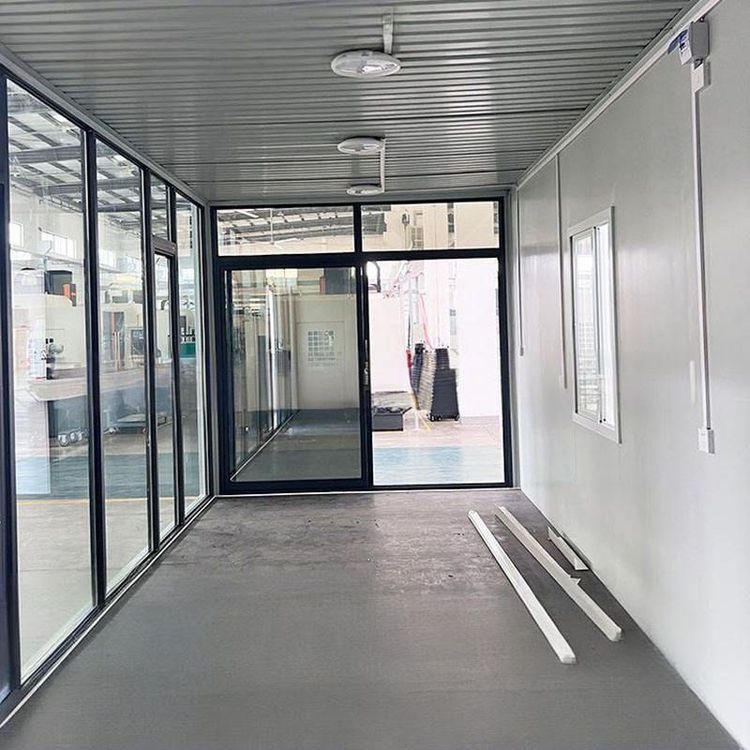
Tianjin Mobile Toilet Purchasers
The main types of purchasers of mobile toilets in Tianjin include municipal, cultural tourism, infrastructure construction, and customized-demand clients. The specific scenarios and purchasing recommendations are as follows:
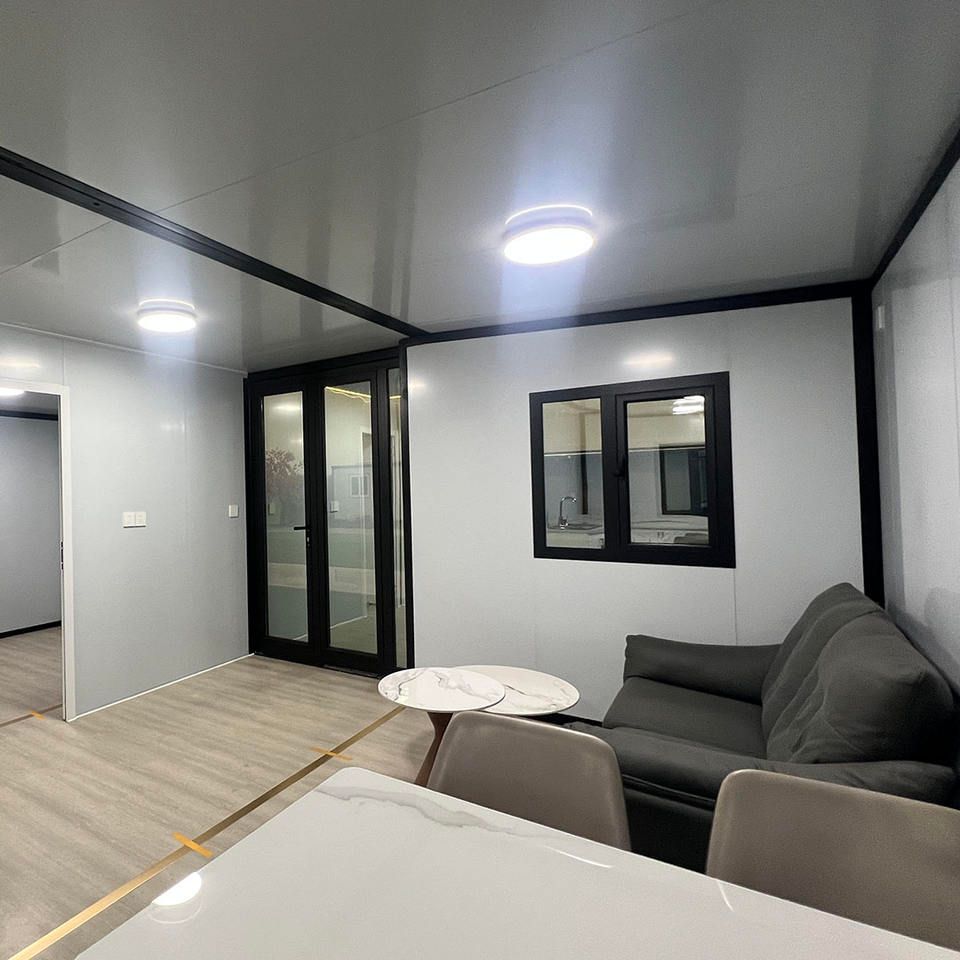
1. Municipal and Public Space Purchasers
Municipal departments and public space management entities are among the core purchasing groups for mobile toilets, primarily applying them in two types of scenarios:
- Daily Cleaning Support: High-traffic areas such as subway hubs, commercial districts, and park squares require mobile toilets to meet basic sanitation needs. For such purchases, attention should be paid to the sewage compatibility of the toilets (e.g., whether they can be connected to municipal sewage networks or use independent septic tanks) and their durability (e.g., anti-corrosive materials like metal carved panels).
- Rural Environmental Improvement: Projects such as rural living environment renovation and beautiful village demonstration projects often use mobile toilets as centralized sewage discharge points to address the pollution issues of traditional dry toilets. When purchasing, priority should be given to modular design products for easier maintenance and expansion in the future.
2. Cultural Tourism and Event Scenario Purchasers
The cultural tourism industry and large-scale event organizers have temporary and flexible demands for mobile toilets:
- Tourist Attractions: Mountainous scenic spots, camping bases, and beaches need to configure toilets according to tourist traffic. For example, a scenic spot in Tianjin once purchased double-roof mobile toilets to adapt to complex terrains. For such purchases, emphasis should be placed on wind resistance (e.g., light steel structures) and environmental friendliness (e.g., biodegradation technology).
- Large-Scale Event Support: Temporary events such as marathons and music festivals require the rapid deployment of emergency sanitation stations. When purchasing, attention should be paid to the quick assembly capability of the toilets (e.g., modular assembly) and their mobility convenience (e.g., towable designs).
3. Infrastructure Construction and Construction Field Purchasers
Infrastructure projects such as highway engineering, rail transit, and new district development often need to configure mobile toilets for workers' living areas, with core demands including:
- High Load-Bearing Capacity: Construction sites have dense personnel, so toilets need to use thickened steel plates or concrete bases to ensure structural stability.
- Sewage Discharge Efficiency: Priority should be given to large-capacity septic tanks or direct discharge designs to reduce cleaning frequency. For example, a rail transit project in Tianjin once purchased mobile toilets that could support 20 people using them simultaneously.
4. Customized-Demand Purchasers
Some clients require special designs. For example, a client in Tianjin once customized a mobile toilet with a floor area of 40 square meters and a double-roof structure, using metal carved panels for thermal insulation to adapt to low-temperature environments. For such purchases, it is necessary to communicate details such as materials, dimensions, and functions with suppliers (e.g., Tianjin Dayuan Technology Development Co., Ltd.) and evaluate their after-sales maintenance capabilities.
Purchasing Recommendations: Prioritize suppliers that support multi-scenario applications (e.g., Tianjin Dayuan Technology), focusing on material strength, sewage compatibility, and after-sales systems, and evaluating parameters based on actual site conditions (e.g., terrain, climate, and traffic volume).