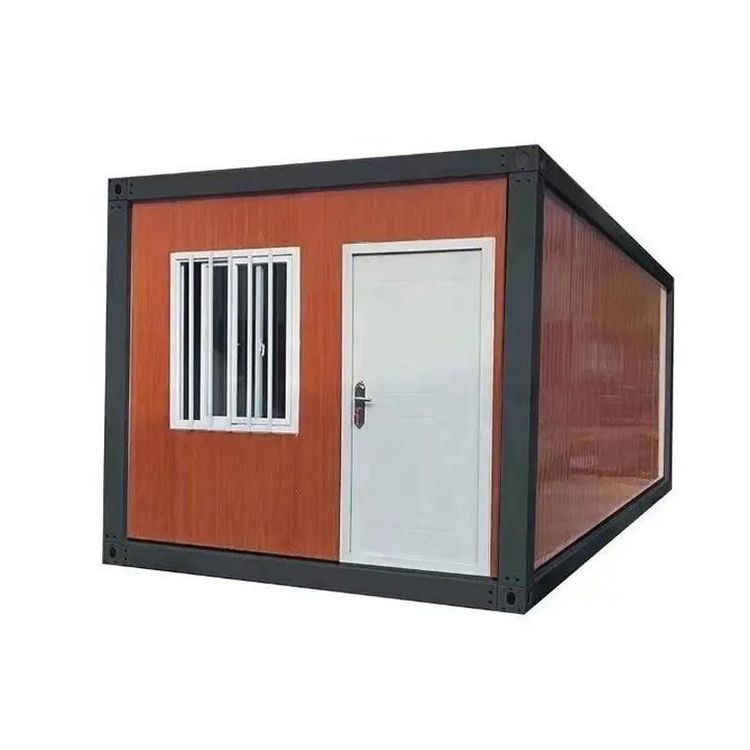
Tianjin Mobile Toilet Operation
The operation of mobile toilets in Tianjin covers various aspects such as demand assessment, logistics and installation, maintenance, and removal and restoration, with professional manufacturers providing full-process services.

Demand Assessment and Site Planning
The operation of mobile toilets in Tianjin should be based on scientific assessment. Service providers need to accurately calculate the required number of units and the ratio of different types based on the scale of the event, peak pedestrian flow, duration, and site conditions. For example, large-scale outdoor music festivals require more squatting units, while high-end business events may prioritize smart toilets with sinks and air conditioning. During the planning phase, it is essential to focus on the rationality of traffic flow to avoid conflicts between toilet entrances and main thoroughfares. Additionally, it is necessary to avoid areas with dense underground pipelines to ensure the feasibility of temporary water and electricity connections. Furthermore, it is important to plan the removal and transportation routes in advance to prevent equipment from being stranded after use due to site limitations.
Logistics and On-Site Installation
The standardized box design enables mobile toilets to be transported quickly by road, with the transportation time for a single unit typically controlled within 2 hours. On-site installation requires three key operations: adjusting the angle of the box using a level to prevent sewage backflow; securing the equipment with expansion bolts or counterweights to ensure an anti-wind rating of over 8 levels; and quickly connecting temporary water and electricity pipelines or activating built-in batteries and water storage systems. For example, the equipment from Chengxu Mobile Toilet Rental Company is equipped with self-priming sewage pumps that can independently complete sewage collection without municipal sewage networks.
Operational Maintenance During the Service Period
Maintenance work follows the principle of dynamic adjustment. In high-intensity usage scenarios (such as an average daily pedestrian flow exceeding 500 people), internal cleaning and disinfection should be carried out every 2 hours, and consumables such as toilet paper and hand soap should be replenished. Smart toilets are equipped with IoT sensors that can monitor waste storage capacity in real-time and automatically trigger removal warnings when the 80% threshold is reached. The modular equipment from Tianjin Dayuan Technology Development Co., Ltd. adopts a dual-chamber separation design, physically isolating the fecal storage chamber from the clean water chamber, effectively extending the single-service period to 72 hours.
Removal and Restoration Process
After the end of the service period, a four-step standard process should be followed: first, completely empty the storage chamber and rinse the inner walls with a high-pressure water gun; second, conduct ozone disinfection to kill 99.9% of pathogenic microorganisms; then, dismantle the equipment and load it onto vehicles, ensuring no waste remains on the site; finally, transport the collected waste to municipal sewage treatment plants or professional incineration plants to complete the environmental responsibility loop. Chengxu promises to restore the site to its original condition within 4 hours after removal, including repairing temporary hardened ground and replanting green vegetation as ecological restoration measures.