Tianjin Mobile Smart Toilet Management
Tianjin Mobile Smart Toilet Management achieves data-driven intelligent management through IoT, big data, and cloud computing technologies, covering functions such as environmental monitoring, energy consumption management, and material management, with self-learning capabilities and a distributed technical architecture ensuring reliability.

Core Technologies and Functional Implementation
The core of Tianjin Mobile Smart Toilet Management lies in the deployment of environmental sensors and device controllers, which collect diverse parameters in real-time, including ammonia and hydrogen sulfide concentrations, foot traffic, and toilet occupancy status. These data are aggregated to a cloud data center via low-power wide-area networks. The platform processes the data through algorithmic models to implement three functional modules:
- Environmental Monitoring: When odor concentrations (e.g., ammonia or hydrogen sulfide) exceed thresholds, the system automatically triggers alarms and activates fresh air systems, dynamically adjusting ventilation intensity to optimize air quality.
- Energy Consumption Management: By analyzing water and electricity usage curves, abnormal consumption patterns (e.g., leaks or idle equipment operation) are identified, assisting managers in optimizing resource efficiency.
- Material Management: Based on historical usage data, the system predicts replenishment times for consumables like hand soap and toilet paper, reducing manual inspection frequency and lowering operational costs.
Self-Learning Capabilities and Reliability Assurance
The management platform features self-learning capabilities, optimizing algorithmic thresholds and control strategies through continuously accumulated data. For example, historical foot traffic data is used to predict service pressures during holidays, enabling proactive deployment of mobile toilets or additional cleaning staff. The technical architecture employs distributed design and redundant backups, ensuring that local controllers maintain basic operations (e.g., toilet status display, basic ventilation) in the event of critical sensor or network failures. Data is automatically synchronized to the cloud once connectivity is restored, ensuring system stability.
Specific Product Innovations
- Spatial Awareness and Facility Monitoring: By dynamically adjusting environmental models (e.g., ventilation intensity based on odor levels), the system quantifies facility wear (e.g., usage counts of flush valves and soap dispensers) and predicts component failure windows, enabling preventive maintenance.
- Contactless Interaction: Equipped with automatic sensor doors and gesture-controlled displays, the system reduces cross-contact risks between users and public facilities, enhancing hygiene and safety.
- Localized Data Decision-Making: Only anonymized aggregated data (e.g., foot traffic statistics) undergo remote analysis, while sensitive information (e.g., personal behavior data) is processed locally, balancing efficiency and privacy protection.
Application Scenarios and Scalability
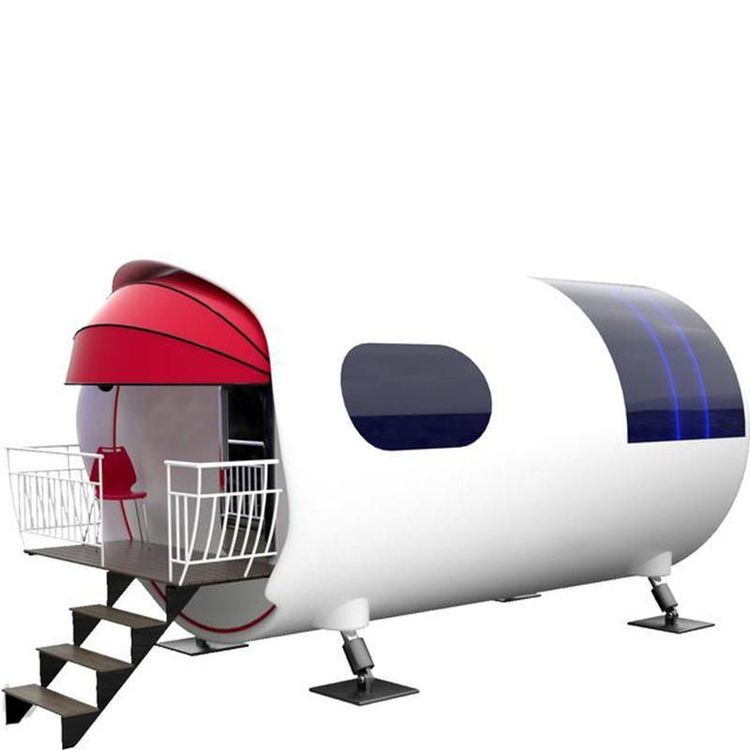
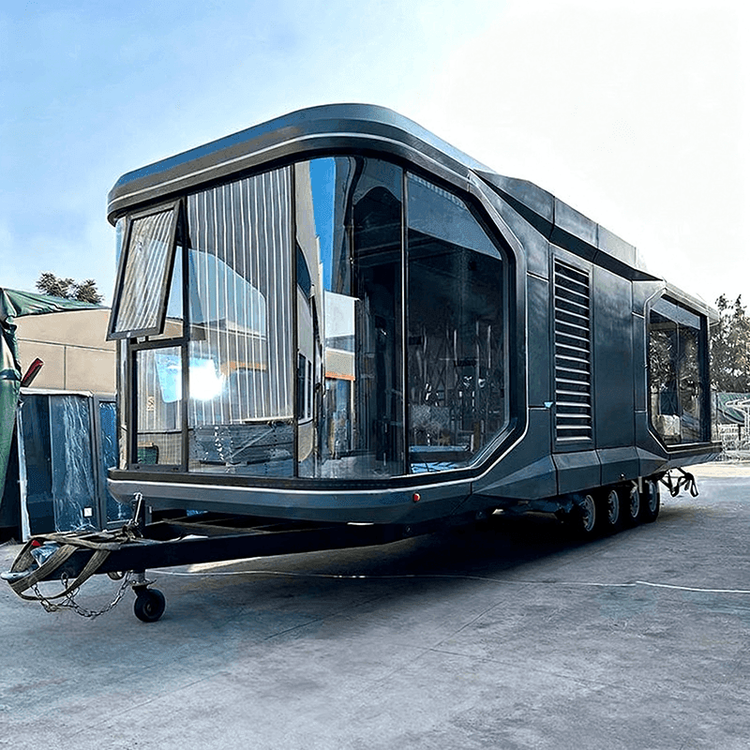
Modular smart toilets have been deployed in Tianjin's Heping District, constructed using lifting techniques with rooftop and wall-mounted solar panels for autonomous power generation, complemented by energy storage systems suitable for off-grid areas. The layout includes barrier-free restrooms and independent母婴 rooms (nursing rooms) to meet the needs of disabled individuals and caregivers with infants. Mobile toilet units, equipped with caster bases for flexibility, feature water-saving flush systems and wastewater treatment, making them ideal for urban streets, tourist attractions, and emergency management scenarios.