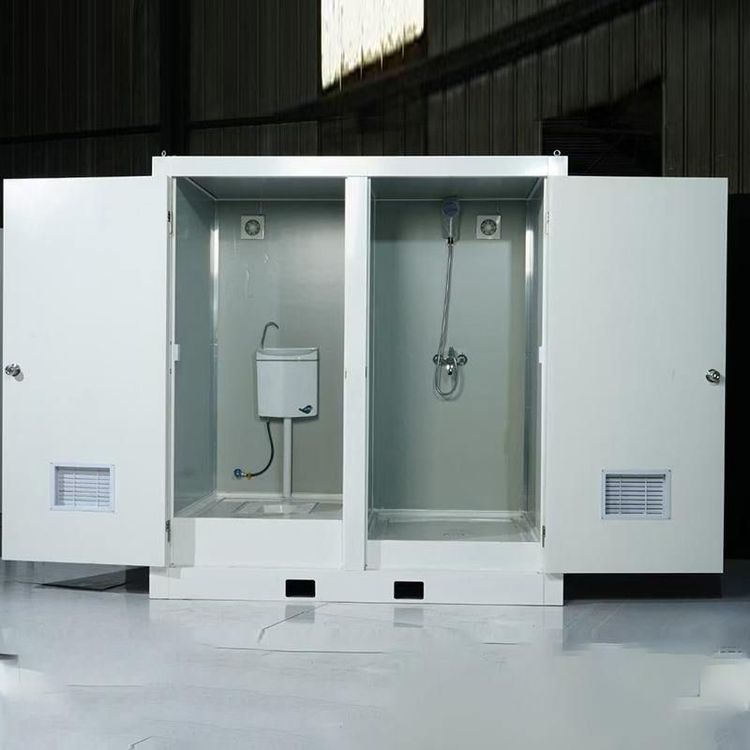
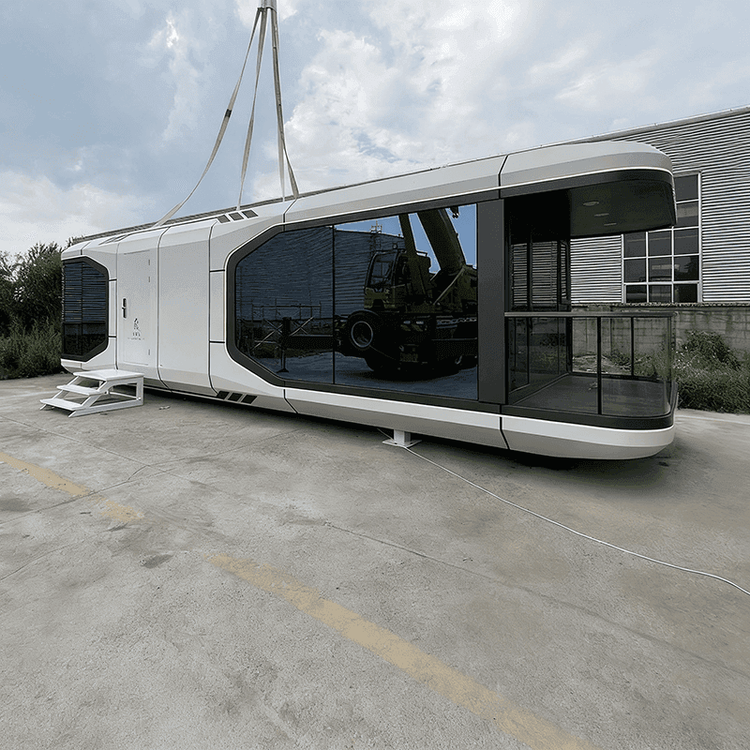
Tianjin Mobile Smart Toilet Architecture
The architecture of Tianjin Mobile Smart Toilet is supported by underlying technical logic, achieving intelligent management and scenario adaptation through the collaboration of functional modules and the integration of a data mid-platform.

Underlying Technical Logic: Data Collection and Transmission
The core of Tianjin Mobile Smart Toilet lies in the deployment of multiple environmental sensors and device controllers inside public toilets. These hardware components continuously collect parameters such as ammonia and hydrogen sulfide concentrations (odor indicators), foot traffic, toilet stall occupancy status, water and electricity consumption, and temperature and humidity, forming a real-time data stream. The data is transmitted to a cloud data center via low-power wide-area networks (such as LoRa), providing a foundation for subsequent analysis. For example, the modular public toilets near the Tianjin Concert Hall in Heping District adopt a triple power supply system consisting of photovoltaic, energy storage, and external power sources. The rooftop photovoltaic panels enable autonomous solar power generation, while the energy storage devices switch to a 220V external power source on rainy days to ensure the stability of data collection and transmission.
Functional Module Collaboration: Four Core Functions
- Environmental Monitoring Module: By analyzing odor data (such as ammonia and hydrogen sulfide concentrations), a dynamic ventilation and deodorization linkage model is established. When odor levels exceed standards, the system automatically alerts and activates the fresh air system, rather than operating on a fixed schedule. Some public toilets are equipped with intelligent deodorization and air purification devices that combine digital hardware to enhance air quality.
- Energy Consumption Management Module: This module monitors water and electricity consumption curves, identifies abnormal consumption (such as continuous water flow or power surges caused by equipment failures), and enables precise interventions. For example, public toilets in Heping District reduce energy consumption through photovoltaic power supply systems and optimize cleaning frequencies based on data feedback.
- Material Management Module: This module monitors the usage frequency and remaining quantities of consumables such as hand sanitizer and toilet paper, predicts replenishment times, and optimizes delivery routes. Face recognition toilet paper dispensers provide paper through facial recognition, preventing shortages or waste.
- Toilet Stall Management Module: This module uses occupancy indicator lights to provide real-time feedback on stall status, helping users quickly locate available stalls and improving usage efficiency.
Data Mid-Platform and Collaboration Mechanism
Functional modules rely on a unified data mid-platform for collaboration. For example, foot traffic data can predict service pressure during holidays, enabling the提前部署 (proactive deployment) of mobile public toilets or an increase in cleaning staff. Energy consumption data can optimize the scheduling frequency of cleaning personnel. The platform adopts a distributed architecture and redundant design, with backup mechanisms for key sensors and network links to ensure that local controllers maintain basic operations during communication interruptions and automatically synchronize data once the network is restored.
Scenario Adaptation: Flexible Customization of Functions
The architecture supports the customization of functions based on scenario requirements. Public toilets for temporary events (such as exhibitions) are equipped with large-capacity sewage tanks (300-500 liters) and foot-pedal or sensor-based flushing systems to reduce cleaning frequency and the risk of contact transmission. For long-term usage scenarios, barrier-free restrooms and independent母婴室 (nursing rooms) are added to meet the needs of disabled individuals and those accompanying infants.