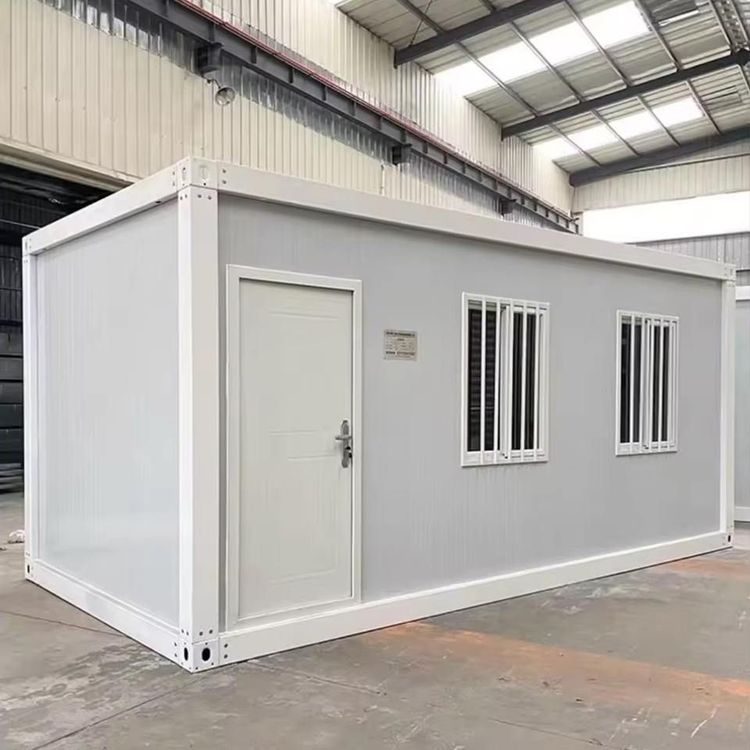
Mobile Toilets in Tianjin Binhai New Area
When selecting mobile toilet services in Tianjin Binhai New Area, it is essential to conduct a comprehensive evaluation from six dimensions: equipment materials, rental processes, waste disposal, logistics scheduling, qualification verification, and service case studies. This ensures that the services meet the demands of the coastal environment and comply with environmental standards.

1. Equipment Materials and Structure In the coastal Binhai New Area, where strong winds and high humidity are prevalent, the materials used for mobile toilet enclosures must possess impact resistance, corrosion resistance, and deformation resistance. High-density polyethylene (HDPE) is highly impact-resistant and corrosion-resistant, making it suitable for coastal environments. Fiberglass exhibits minimal deformation under extreme temperature variations, offering superior stability. Metal connectors should be hot-dip galvanized or made of 304 stainless steel to prevent salt spray corrosion. The waste storage tanks must pass leak-proof tests, and some products undergo wind pressure tests (e.g., withstand wind speeds of ≥10 levels) to adapt to strong wind conditions.
2. Rental Service Process The contract should clearly outline the cost components, including installation, transportation, maintenance, and waste removal services. Whether single waste removal includes basic maintenance such as disinfection and toilet paper replenishment, and the additional charging methods (e.g., per use or per volume) for exceeding the usage frequency, should be agreed upon in advance. Short-term rental rates are typically higher than long-term rates, and transportation fees may be linked to distance. It is necessary to confirm the extended-period tiered pricing rules (e.g., additional daily charges for event extensions). It is recommended to include the emergency waste removal response time (e.g., arrival within 4 hours) in the contract to prevent overflow issues.
3. Waste Disposal Capacity In Binhai New Area, wastewater must undergo preliminary solid-liquid separation before discharge, with the liquid portion meeting tertiary discharge standards. Companies with autonomous disposal capabilities use mobile integrated treatment vehicles to complete flocculation, sedimentation, and ultraviolet disinfection processes. It is essential to verify whether they hold qualifications for using biological enzyme degradants to ensure compliance with environmental requirements during treatment.
4. Logistics Scheduling Network Companies with a service radius exceeding 30 kilometers and no branch locations may have emergency response times exceeding 4 hours. Reliable companies should have real-time GPS tracking synchronization for their vehicles and be equipped with backup equipment vehicles capable of replacing faulty units within 2 hours to ensure continuous service.
5. Industry Qualifications and On-Site Verification Legitimate enterprises must hold a business license (clearly indicating categories such as "mobile toilet rental/sales") and provide factory certificates and third-party inspection reports (e.g., wind resistance ratings, material flammability tests). Prioritize companies with storage or service outlets in Tianjin, as they have sufficient spare parts inventory and faster emergency response times. During on-site inspections, check whether the seam sealing is uniform and whether the anchor bolts are rust-proof to avoid defects affecting usage.
6. Service Case References Request companies to provide service records from their last three large-scale events (e.g., marathons, concerts), including equipment models, treatment vehicle usage records, and dispatch response time screenshots. For example, Haoshitong Equipment Leasing Co., Ltd. emphasizes that its equipment meets environmental requirements and is equipped with cleaning services and deodorizers, serving as a reference case.