
Thickness of Panels for Mobile Toilets
The thickness of panels used in mobile toilets varies depending on the type and design, with a common range from 0.5 millimeters to 5 centimeters. Here is a detailed classification:
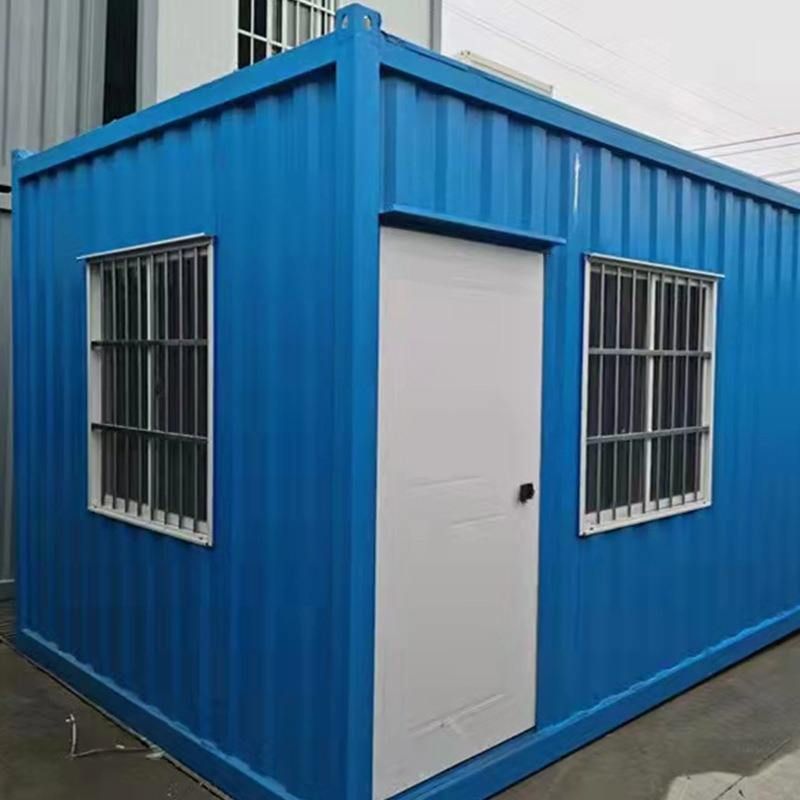
The panel thickness of outdoor mobile toilets is usually thicker, reaching up to 5 centimeters. These toilets are mostly used in wilderness, scenic spots, and other environments, requiring high structural strength and stability to cope with complex weather conditions and long-term use demands. A 5-centimeter panel thickness can effectively enhance wind and pressure resistance while improving thermal insulation, ensuring a comfortable internal environment.
The main structure of mobile restrooms often uses 18-millimeter-thick high-strength panels. These panels are mostly used in urban public toilets or temporary event venues, balancing structural strength with lightweight requirements. An 18-millimeter thickness meets daily load-bearing needs while facilitating transportation and installation, with relatively controllable costs, making it a cost-effective choice.
Some companies produce mobile toilets with panels of specific thicknesses. For example, Yunnan Kangheng Environmental Protection Equipment Manufacturing Co., Ltd. produces mobile toilets using 30-millimeter-thick panels. This thickness design may target specific use scenarios, such as high-altitude or high-traffic areas, enhancing thermal insulation and durability by increasing panel thickness, thereby extending equipment lifespan.
The outer shells of eco-friendly mobile toilets on construction sites often use high-strength color-coated steel plates, with thicknesses generally ranging from 0.5 to 0.7 millimeters. Color-coated steel plates offer advantages such as light weight, corrosion resistance, and ease of processing, making them suitable for temporary sites like construction areas. A thickness of 0.5 to 0.7 millimeters ensures structural strength while minimizing material costs and transportation difficulties, meeting the dual demands of economy and practicality on construction sites.
The differences in panel thickness among various types of mobile toilets primarily stem from usage scenarios, functional requirements, and cost considerations. Outdoor and special-environment toilets require thicker panels to withstand extreme conditions, while temporary or economical toilets balance performance and cost by optimizing thickness. Selection should be based on specific usage, budget, and environmental requirements for a comprehensive assessment.



