Thermal Insulation Performance of Container Houses
The thermal insulation performance of container houses is influenced by various factors such as materials, structure, and craftsmanship. Overall, their insulation effect can rival that of traditional buildings, but there are differences among products, necessitating a comprehensive evaluation of key parameters.

1. Insulation Materials and Structure: The Core Foundation
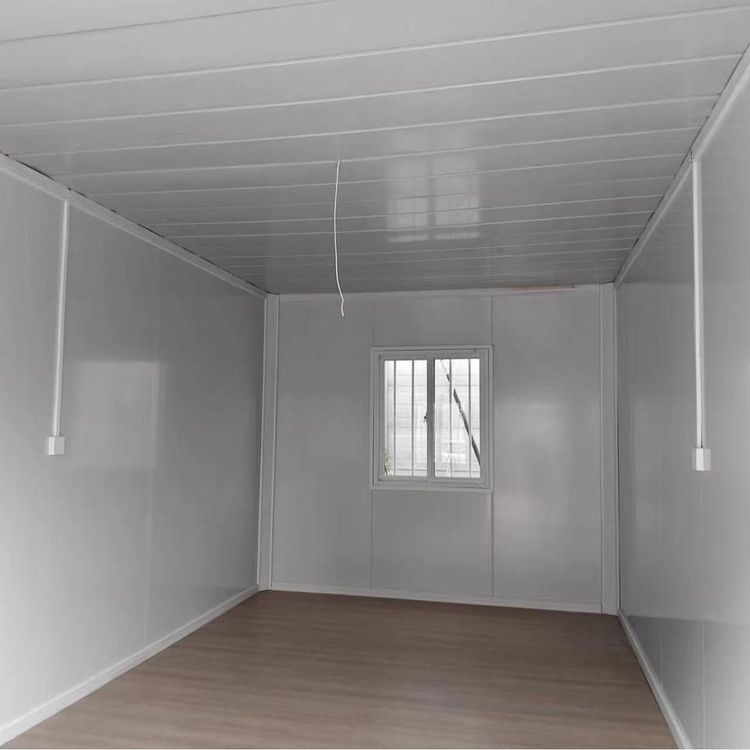
The thermal insulation performance of container houses primarily relies on a three-layer structure: the outer layer of anti-corrosion color-coated steel plate reflects sunlight, the middle layer uses materials like polyurethane foam, rock wool board, or EPS board to block heat conduction, and the inner layer controls temperature through fire-resistant gypsum board, moisture-proof film, or closed insulation layers. For example, the national 'Technical Standard for Steel Structure Integrated Houses' requires the heat transfer coefficient of residential container walls to be ≤0.45W/(㎡·K), equivalent to 1.8 times the insulation efficiency of traditional brick-and-mortar walls. Measured data shows that in summer, the temperature inside the container rises 22 minutes slower than outside at noon, and in winter, the indoor temperature only drops by 1.3℃ after being closed for 8 hours, providing a more stable feel.
2. Sealing Craftsmanship and Overall Airtightness: Affecting Actual Performance
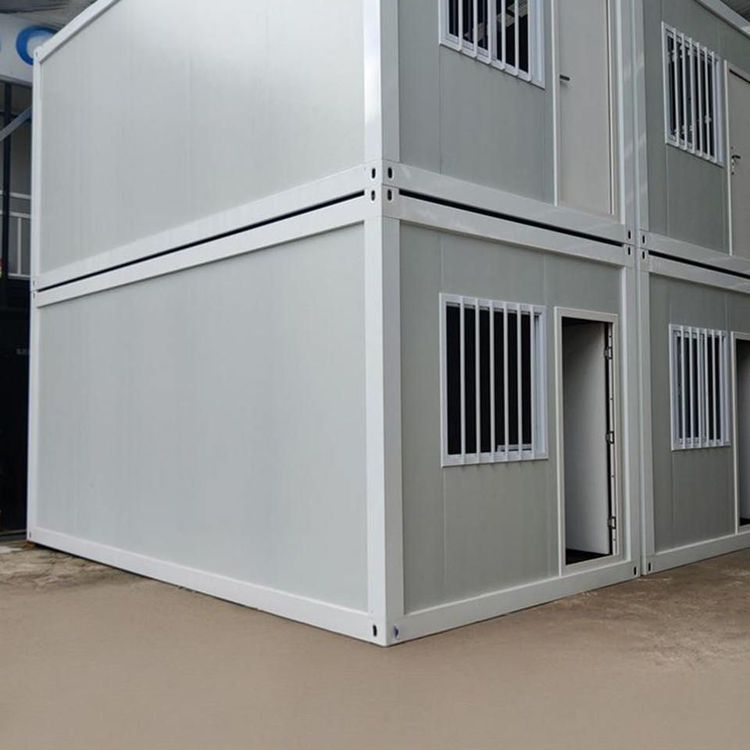
The splicing craftsmanship and overall airtightness are crucial details. If there are gaps at the splicing points of the panels, a cold bridge effect can easily occur, leading to a decrease in insulation performance. Excellent products minimize the impact of gaps through sealing craftsmanship while paying attention to the fit between doors, windows, and frames, as well as the sealing treatment at corners. For example, Qingdao Jiecheng Hongye's refrigerated containers adopt shipping standards, and their insulation performance has been verified through maritime transport, demonstrating reliable airtightness.
3. Special Environments Require Targeted Optimization
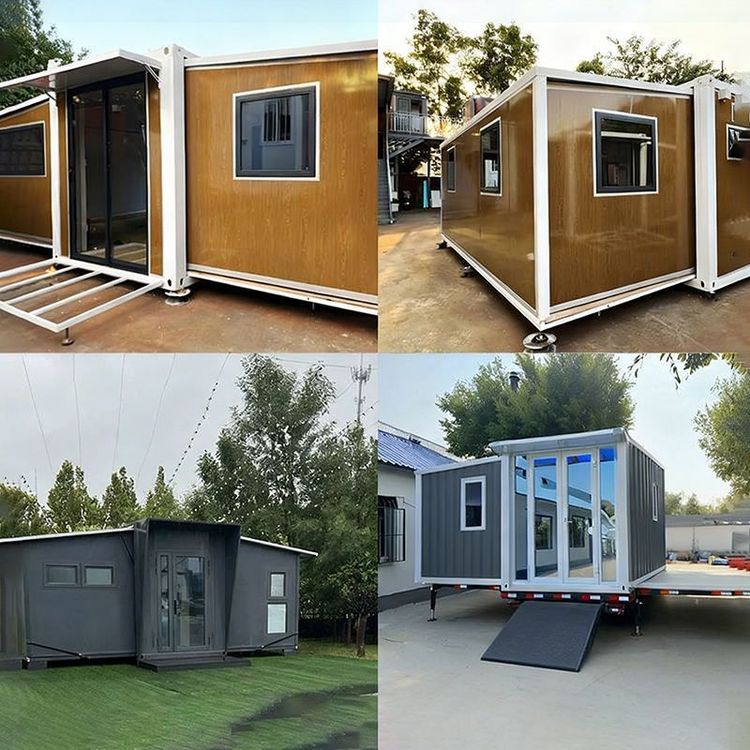
In extreme climate regions, the insulation performance needs further enhancement. In Northeast China, where winters are severely cold, ordinary products are prone to issues like air leakage, frost formation, and pipeline freezing. They require the use of thickened insulation layers and double-layer sealing, waterproof, and cold-proof craftsmanship. For example, Jilin Jinlin Metal's customized mobile homestays for camping bases are adapted to low temperatures of minus thirty degrees Celsius through thickened insulation layers and sealing designs.
4. Auxiliary Technologies Enhance Comfort
Insulation performance needs to be optimized in conjunction with the energy supply system. For example, replacing traditional solar collectors with new photovoltaic-thermal panels and combining them with underfloor heating systems can reduce indoor temperature fluctuations from 78% to 12.5%, decrease electricity consumption by 67%, and lower carbon emissions by nearly two times.