
Back to blog
Article
How is the Thermal Insulation of Container Houses?
Admin September 17, 2026
The thermal insulation of container houses is significantly influenced by materials and design. Reasonable material selection and design can meet residential needs under different climatic conditions.
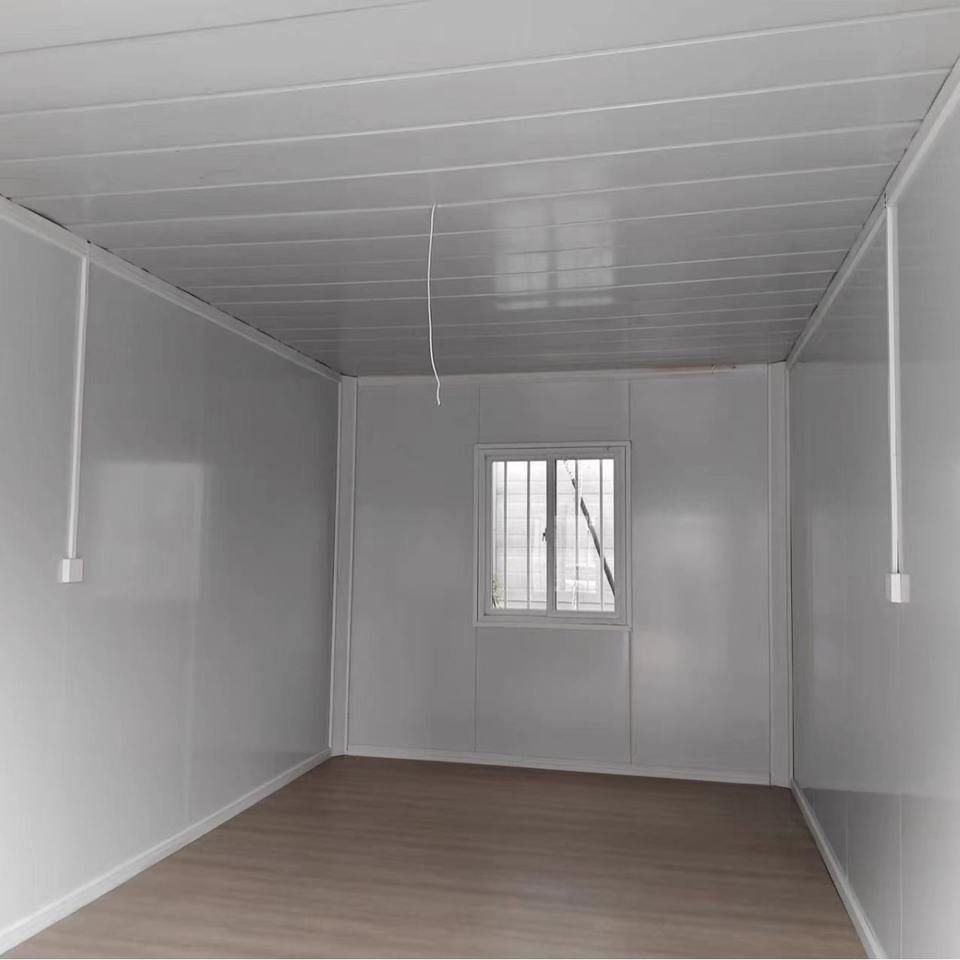
Impact of Materials on Thermal Insulation
The choice and thickness of wall insulation materials are core factors determining thermal insulation effectiveness.
- Rock Wool: A 15-centimeter-thick rock wool insulation layer can maintain indoor temperatures around 19.6°C in winter, essentially meeting comfortable heating requirements.
- Color-Steel Sandwich Panels: These panels are commonly used for the exterior shell, filled with thermal insulation materials such as polyurethane, polystyrene, rock wool board, or glass wool, effectively preventing heat transfer. Among them, polyurethane insulation boards strike a balance between cost and insulation effectiveness, making them an economical and practical choice; aerogel vacuum panels offer the best insulation performance but are more expensive, often used in high-end scenarios.
- Wall Panel Thickness: Measured data shows that a 50mm wall panel can maintain indoor temperatures between 5°C and 10°C in mild cold zones (0°C to 5°C), but only between 0°C and -2°C in severe cold zones (-5°C to -10°C), and is completely unsuitable for habitation in extreme cold zones (-20°C to -30°C); a 75mm wall panel, combined with thermal-break aluminum double-glazed windows and sealing strips in severe cold zones, can stabilize indoor temperatures between 8°C and 12°C; a 150mm wall panel, combined with underfloor heating in extreme cold zones, can achieve indoor temperatures between 18°C and 20°C, demonstrating strong adaptability.
Impact of Design on Thermal Insulation
Structural design enhances thermal insulation by reducing air convection and optimizing sealing performance.
- Tight Structure: Container houses have fewer gaps, effectively reducing heat exchange and offering better sealing performance than traditional buildings.
- Special Design: High-end products use double-glazed or insulated glass to further reduce heat conduction; the application of thermal-break aluminum double-glazed windows and sealing strips significantly improves insulation performance under severe cold conditions.
Measured Data Support
The correlation between wall panel thickness and thermal insulation performance is clear across different climatic zones:
- Mild Cold Zone (0°C to 5°C): A 150mm wall panel can maintain temperatures above 15°C without additional heating, meeting daily activity needs.
- Severe Cold Zone (-5°C to -10°C): A 75mm wall panel requires a small air conditioner or underfloor heating to reach a comfortable standard of 18°C; a 150mm wall panel can still maintain temperatures above 12°C without heating.
- Extreme Cold Zone (-20°C to -30°C): Only a 150mm wall panel combined with underfloor heating can maintain temperatures between 18°C and 20°C; other thicknesses rely on high-power heating equipment or are only suitable for storage.
Related



