Thermal Insulation of Container Houses
Thermal insulation of container houses is mainly achieved through structural optimization, material selection, process improvement, and auxiliary equipment. Details are as follows:

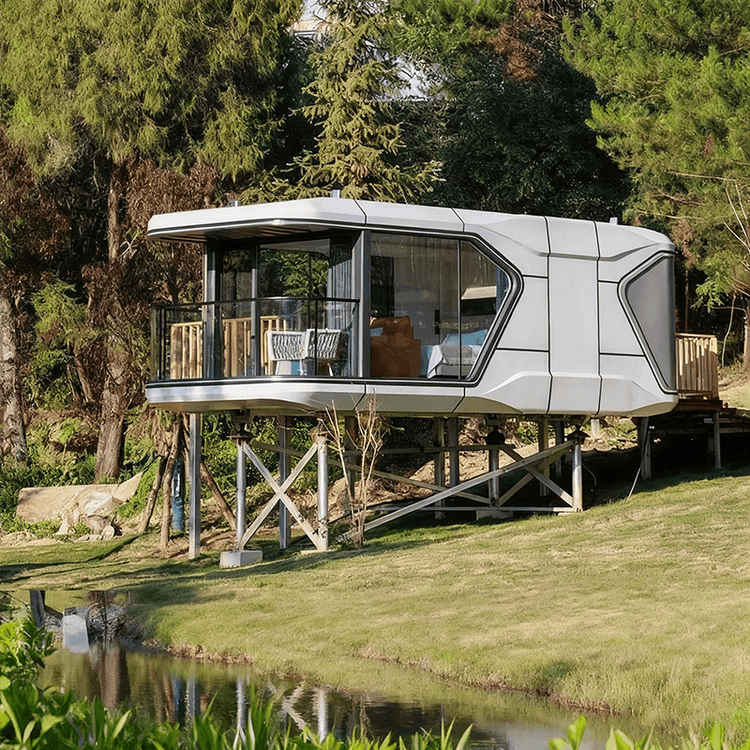
In terms of structural optimization, residential container houses adopt a three-layer key structure to enhance thermal performance. The outer layer of anti-corrosion color-coated steel plate reflects sunlight and reduces heat absorption. The middle layer is filled with over 50mm of polyurethane foam to block heat conduction paths. The inner layer of fire-resistant gypsum board, combined with a moisture-proof film, jointly controls humidity and temperature fluctuations. This structure results in a wall heat transfer coefficient of ≤0.45W/(㎡·K), with thermal insulation efficiency 1.8 times that of traditional brick-and-concrete walls. Actual measurements show that in summer, the cabin temperature rises 22 minutes slower than the outdoor temperature, and in winter, the indoor temperature drops by only 1.3℃ after being closed for 8 hours, providing a more stable thermal sensation.
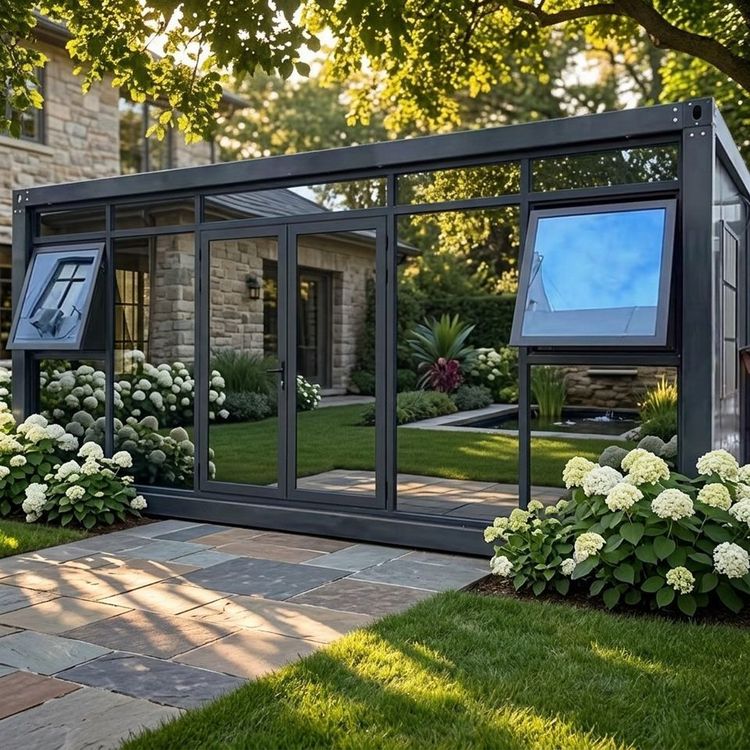
Regarding material selection, thermal insulation materials need to have low thermal conductivity. Common materials include polystyrene boards, polyurethane foam boards, rock wool boards, and high-density thermal insulation rock wool. For example, cultural and tourism space capsules use high-density thermal insulation rock wool to fill the walls, combined with thermal break insulation processes to block cold and heat conduction. Simple containers can improve thermal insulation by increasing foam thickness or using polystyrene foam composite materials. Window and door materials are also crucial; double-glazed windows with thermal break aluminum frames can significantly reduce thermal conductivity and improve indoor temperature stability.
In terms of process improvement, sealing treatment is a core aspect. Waterproof membranes and sealants should be used to fully seal board joints, window and door closures, and roof splices, with a reasonable drainage slope designed to ensure continuous sealing at joints. For example, in southern rainy regions, the roof and corner closure processes need to be strengthened to prevent water leakage. Additionally, adding soundproof and shock-absorbing sealing layers can improve wall sound insulation performance, meeting the needs of homestays, shops, and other scenarios.
Regarding auxiliary equipment, temperature control devices such as air conditioners and graphene floor heating can further regulate indoor temperature. For example, a café in Mogan Mountain uses sandwich panels with aluminum foil reflective layers, combined with adjustable sunshades and bottom ventilation slots, to achieve natural ventilation and shading effects, reducing reliance on mechanical temperature control.