
Thermal Insulation Mobile Container House
Thermal insulation mobile container houses primarily achieve excellent thermal insulation performance through the use of thermal insulation materials, a multi-layer protective system, and rational design.
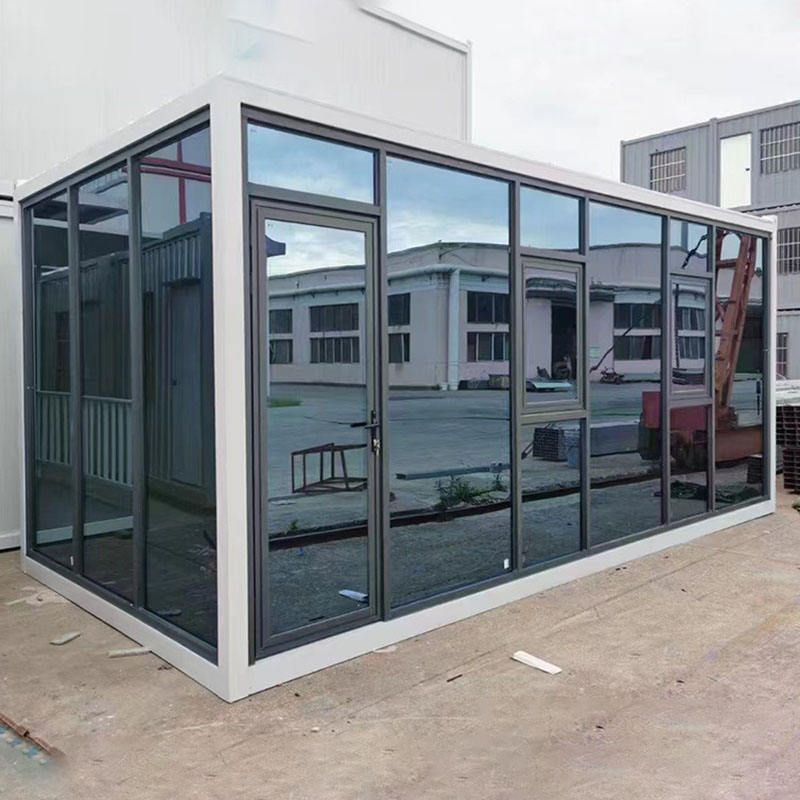
I. Use of Thermal Insulation Materials The walls of mobile container houses are typically filled with high-density thermal insulation materials, such as rock wool or polyurethane. These materials have excellent thermal insulation properties and can effectively prevent heat transfer. Rock wool is an inorganic fiber material with good high-temperature resistance, fire resistance, and thermal insulation properties; polyurethane is a highly efficient organic thermal insulation material with a low thermal conductivity and excellent insulation effects. By filling these materials into the walls, heat exchange between the interior and exterior of the house can be significantly reduced, thereby maintaining a stable indoor temperature.
II. Design of a Multi-Layer Protective System In addition to thermal insulation materials, mobile container houses also incorporate a moisture barrier and a ventilation layer to form a multi-layer protective system. The moisture barrier prevents moisture from penetrating into the thermal insulation materials and affecting their thermal insulation performance; the ventilation layer promotes air circulation, carrying away excess heat and moisture, and maintaining a dry and comfortable indoor environment. This design of a multi-layer protective system further enhances the thermal insulation effect of the house.
III. Rational Design and Layout The thermal insulation performance of mobile container houses is also closely related to their design and layout. For example, the exterior design of the house takes into account wind resistance and drainage performance to reduce the impact of wind and rain on the house temperature. At the same time, the location, size, and opening method of the house's doors and windows are also carefully designed to ensure that natural ventilation can be fully utilized to lower the indoor temperature in summer and reduce heat loss in winter.



