
Thermal Insulation Effect of Container Houses
The overall thermal insulation effect of container houses is good, but there are differences due to the influence of materials, craftsmanship, and product grades. High-quality products can meet the needs of comfortable living in various climatic conditions.
Thermal Insulation Materials and Structural Design
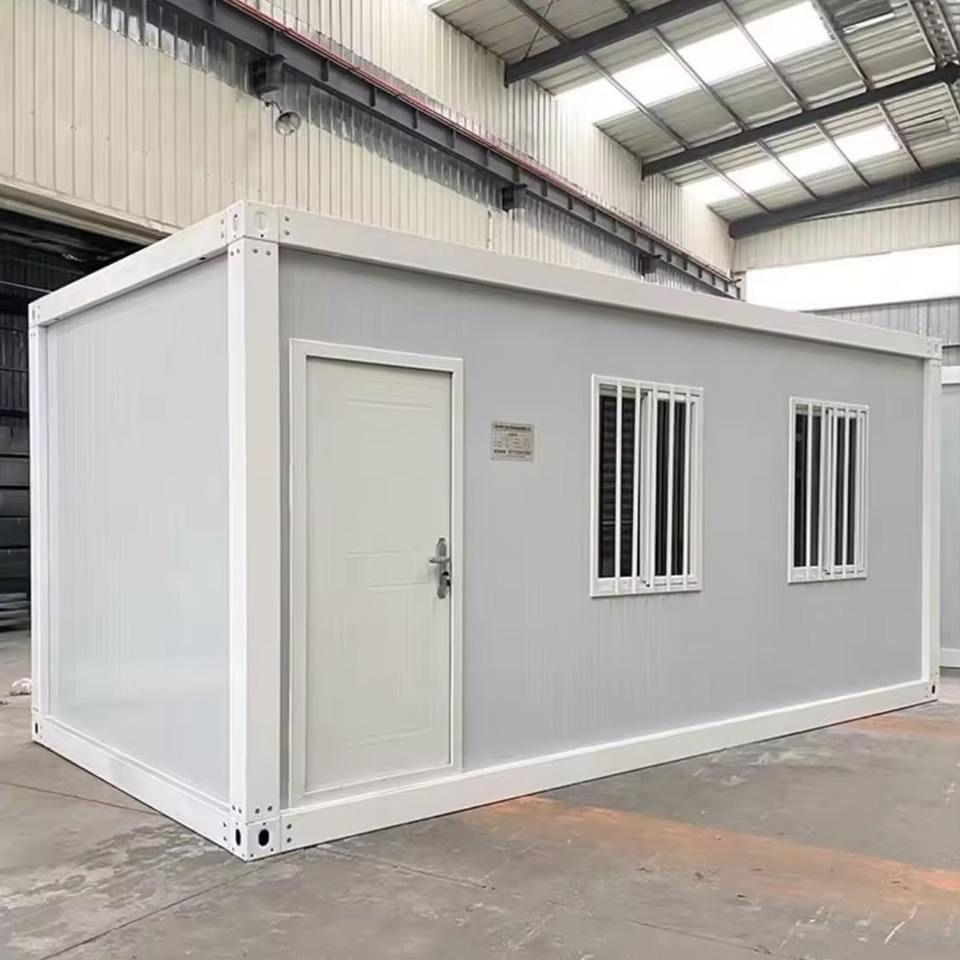
Container houses achieve thermal insulation through a multi-layer structure. The outer layer commonly uses anti-corrosion color-coated steel plates to reflect sunlight. The middle layer is filled with over 50mm of polyurethane foam to block heat conduction. The inner layer employs fire-resistant gypsum boards and moisture-proof films to jointly control humidity and stabilize temperature. Some products also fill the interior of the walls with rock wool or high-density insulation materials and combine them with moisture-proof layers and ventilation layers to form a protective system. For example, container houses in Texas, USA, use structural insulated panels (SIPs) and autoclaved aerated concrete (AAC) blocks, optimizing thermal insulation performance by raising the roof height.
Performance Standards and Measured Data
The national Technical Standard for Steel Structure Integrated Houses requires that the heat transfer coefficient of the walls of residential container houses be ≤ 0.45W/(㎡·K), with a thermal insulation efficiency 1.8 times that of traditional brick-and-mortar walls. Measured data shows that in summer, the temperature inside the container rises 22 minutes slower than outside at noon. In winter, after being sealed for 8 hours, the indoor temperature only drops by 1.3℃, and the perceived temperature remains stable. In Shijiazhuang, temporary buildings need to cope with a climate that is cold and dry in winter and hot and rainy in summer. Mainstream products use a composite sandwich panel enclosure system, reducing the cold bridge effect through low-thermal-conductivity materials (such as rock wool and polyurethane) and sealed splicing techniques to ensure overall airtightness.
Differences Among Products of Different Grades
Low-end products (ranging from 5000 to 8000 yuan) cannot guarantee thermal insulation performance due to differences in materials used. In contrast, high-quality products (ranging from 11000 to 16000 yuan) significantly improve thermal insulation effects by increasing foam thickness, selecting sandwich panels with aluminum foil reflective layers, and configuring adjustable sunshades and bottom ventilation slots. For example, a coffee shop in Mogan Mountain uses a double-layer container structure. When exposed to direct sunlight in the afternoon, the interior remains comfortable without air conditioning, and the occupancy rate is 20% higher than that of traditional wooden houses.
Optimization Solutions for Special Scenarios
For extreme climates, container houses can enhance thermal insulation performance through auxiliary designs. In high-temperature environments, reflective coatings and ventilation designs can reduce indoor temperatures; in low-temperature environments, auxiliary heating equipment combined with a multi-layer protective system can maintain a comfortable temperature. Additionally, raising the roof height, optimizing the airtightness of doors and windows, and using energy-saving materials such as recycled steel can further improve thermal insulation effects.



