
Thermal Insulation Construction of Container Houses
The thermal insulation construction of container houses should be comprehensively implemented from multiple aspects, including material selection, splicing techniques, airtightness treatment, and additional measures.
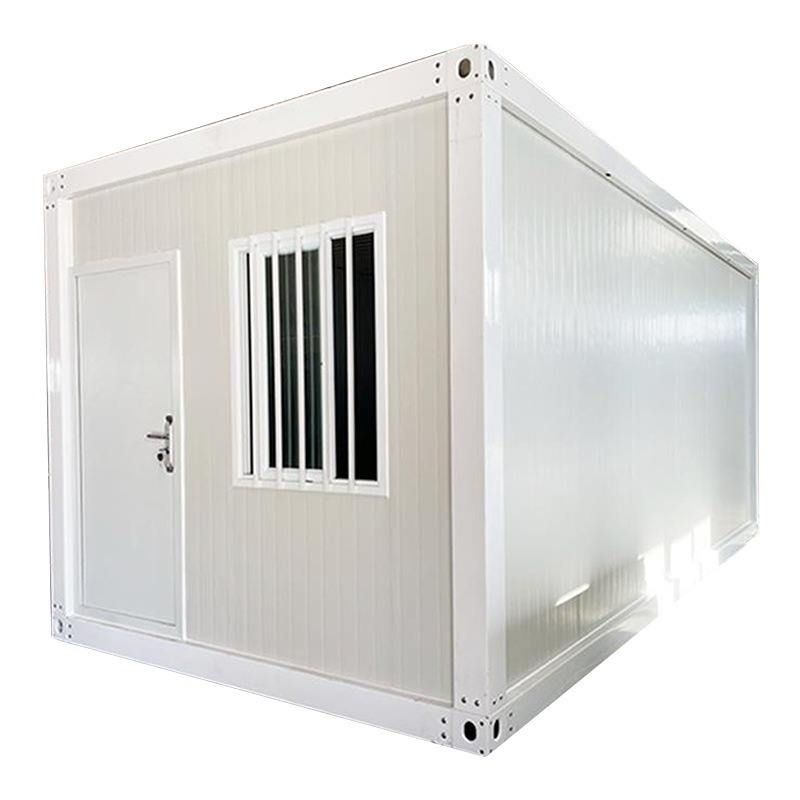
I. Material Selection as the Foundation of Thermal Insulation Construction Mainstream container houses adopt a steel structure framework combined with composite sandwich panels as the enclosure system, where the density and thickness of the sandwich panels directly affect the thermal insulation effect. Materials with lower thermal conductivity have stronger thermal insulation performance. For example, polystyrene foam, polyurethane foam boards, and rock wool boards are common choices. The thickness of the polyurethane foam layer needs to reach more than 50mm. Combined with an outer layer of anti-corrosion color-coated steel plates to reflect sunlight and an inner layer of fire-resistant gypsum boards to control humidity, an efficient thermal insulation layer can be formed. In addition, new materials such as PANHOO aerogel thermal insulation coatings and ceramic microsphere thermal insulation coatings, which are nanoscale thermal insulation materials, have the advantages of thin thickness and significant thermal insulation effects, further reducing energy consumption.
II. Splicing Techniques and Airtightness Treatment as the Key If there are gaps at the panel splicing joints, a cold bridge effect can easily occur, leading to heat loss. Excellent sealing techniques need to be adopted, such as using professional sealing materials to fill the splicing gaps to ensure there are no heat conduction channels. At the same time, the fit between doors, windows, and frames, as well as the sealing treatment at the corners, need to be strictly controlled. For example, adding sealing strips and using double- or triple-glazed windows can reduce heat leakage. For mobile container houses, the sealing design of the folding parts also needs to be considered to avoid gaps during transportation or assembly.
III. Additional Thermal Insulation Measures to Enhance Overall Performance
- Increasing the Thickness of the Thermal Insulation Layer: Further block heat conduction by thickening the sandwich panels or adding external thermal insulation layers (such as rock wool boards and glass wool boards).
- Optimizing Ventilation and Shading Design: Install adjustable shading canopies on the roof, ventilation channels at the bottom, or adopt a sloped roof design to enhance lighting and ventilation, reducing the cabin temperature rise caused by direct sunlight in summer.
- Temperature Control Equipment Assistance: Install facilities such as air conditioners and graphene floor heating to quickly adjust the indoor temperature and compensate for insufficient thermal insulation under extreme weather conditions.
IV. Construction Details and Long-Term Maintenance Professional construction methods should be adopted at the splicing joints of thermal insulation materials to ensure airtightness and structural stability. Regularly inspect the sealing strips of doors and windows and the connection parts of the panels, and promptly repair aged or damaged parts to extend the service life of the thermal insulation system.



