
The Whole Process Transformation of Container Houses
The whole-process 'transformation' of container houses mainly includes key steps such as foundation reinforcement, container body treatment, surface leveling and fixation, and final decoration. Some cases can also achieve luxurious renovations through high-end design.
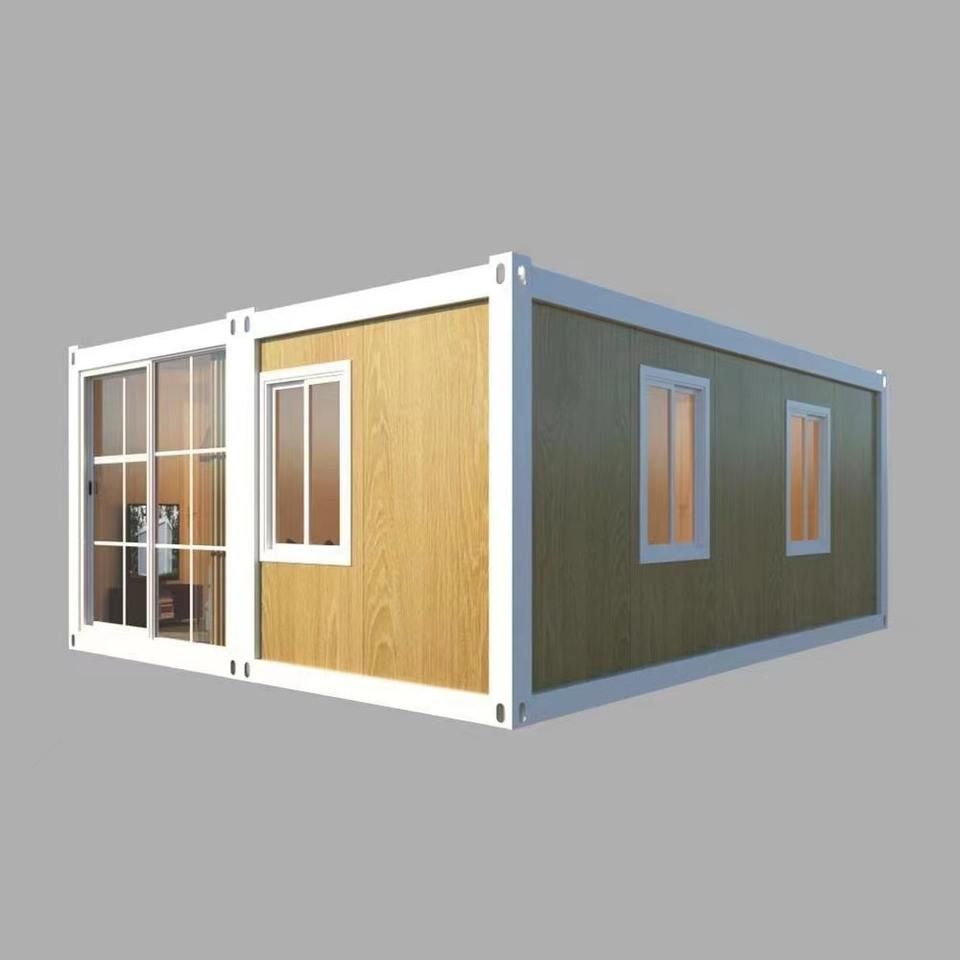
1. Foundation Reinforcement: Stabilizing the House's Foundation
The renovation of container houses should start with foundation reinforcement. Due to the significant weight of containers and potential structural deformation caused by environmental factors (such as moisture and vibration) over long-term use, it is necessary to lay a concrete foundation or steel frame on the ground to ensure a stable connection between the container body and the ground. In some cases, if containers need to be stacked in multiple layers or are located in areas with soft soil, additional measures such as piling or adding load-bearing beams are required to enhance foundation stability and prevent settlement or tilting issues in the later stages.
2. Container Body Treatment: Enhancing Structure and Rust Prevention
The original material of containers is steel, which is prone to rust and corrosion when exposed for a long time. During renovation, a comprehensive inspection of the container body is required to remove surface rust and apply anti-rust paint to extend its service life. If windows or door openings need to be added, professional cutting tools should be used for precise cutting, and reinforcing ribs should be welded to maintain structural strength. In some cases, to improve sound insulation and thermal insulation performance, rock wool boards or polystyrene foam boards are also installed on the inner side of the container body to form a composite wall structure.
3. Surface Leveling and Fixation: Creating a Flat Appearance
The treatment of the outer side of the container body is a key step in the 'transformation'. First, wire mesh should be laid and fixed to the surface of the container body through welding or rivets to enhance the adhesion of the cement layer. Then, cement mortar should be applied for leveling to fill in the unevenness of the steel surface and form a flat base layer. The cement layer should be applied in layers, with each layer controlled at a thickness of 2-3 centimeters, and smoothed repeatedly with a scraper to ensure a smooth surface without cracks. After the cement is completely dry, sanding treatment is also required to provide an ideal base for the subsequent decorative layer.
4. Final Decoration: Achieving Stylish Design
After the basic treatment is completed, the container house can enter the decoration stage. For ordinary renovations, white latex paint is usually chosen for the entire house to create a clean and transparent visual effect while reflecting light to enhance indoor brightness. If a high-end effect is pursued, references can be made to some million-dollar mansion cases, using stone, wood, or metal panels for exterior decoration, paired with large glass curtain walls to enhance a modern feel; internally, customized furniture, intelligent lighting systems, and artistic installations are used to create a luxurious space comparable to a five-star hotel.



