
There Is a Mobile Toilet Outside the Study
If the mobile toilet outside the study is for home use, it usually falls into the category of simple portable toilets or commode chairs. Its design focuses on being lightweight, foldable, and stable, differing from public mobile toilets in terms of functional configuration and scale.
1. Characteristics of Public Mobile Toilets
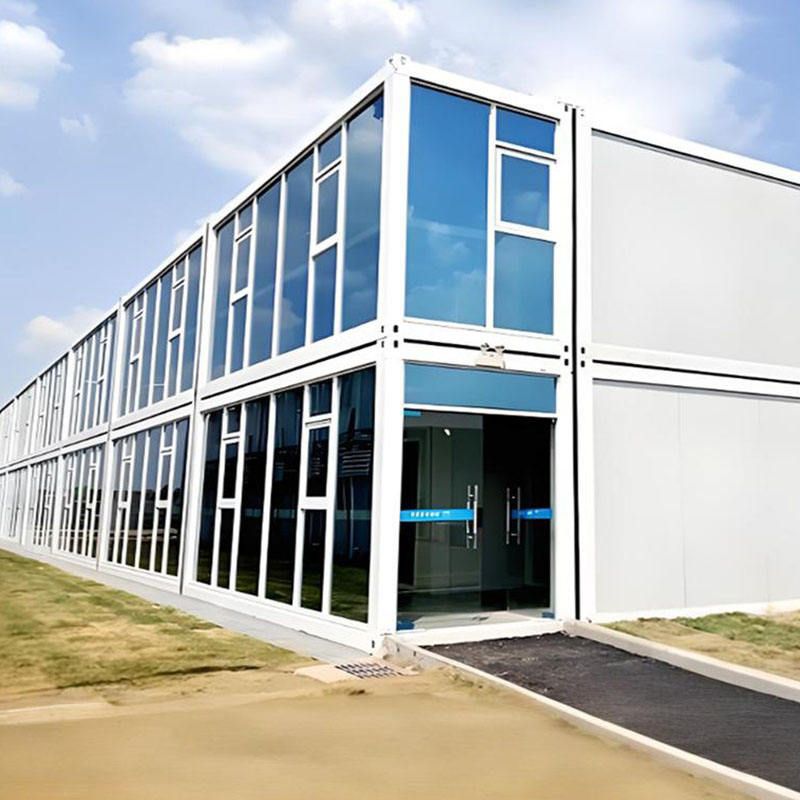
Public mobile toilets are commonly found in places such as stations, tourist attractions, and construction sites, designed to meet the needs of large-scale crowds. Structurally, they typically use galvanized steel plate frames and feature non-slip floors, automatic flushing systems, and occupied/unoccupied indicator locks. Some high-end models are also equipped with ventilation systems, deodorization devices, and even barrier-free facilities. These toilets are larger in scale, accommodating multiple independent toilet compartments, and must comply with public health standards, including regular cleaning, disinfection, and sewage disposal.
2. Types of Home-Use Mobile Toilets
Mobile toilets used in home settings are mostly simple portable toilets or commode chairs, with designs emphasizing individual convenience.
- Simple Portable Toilets: Usually made of lightweight materials such as plastic or aluminum alloy, they can be folded for easy movement and storage. Their simple structure may include a detachable waste storage bucket or an interface for connecting to external sewage pipes. Some models are equipped with non-slip pedals and handrails to enhance safety during use.
- Commode Chairs: More suitable for elderly individuals or patients with mobility issues, these devices typically consist of a seat, a bedpan, and a frame, and can be used with disposable plastic bags or specialized bedpans. These devices have strong load-bearing capacity, with some models capable of supporting over 150 kilograms, and they focus on stability and non-slip properties to prevent tipping during use.
3. Core Differences Between Home and Public Mobile Toilets
- Scale and Functionality: Public mobile toilets need to accommodate multiple users simultaneously, with more comprehensive functions (such as flushing, ventilation, and sewage disposal); home mobile toilets are primarily for single-user use, with simplified functions and a greater emphasis on portability and space efficiency.
- Hygiene Standards: Public toilets require regular cleaning and disinfection and are equipped with professional sewage disposal systems; home toilets have more flexible cleaning frequencies and methods, possibly relying on manual disposal of waste storage buckets or the use of disposable consumables.
- Usage Scenarios: Public toilets are suitable for temporary or fixed high-traffic locations; home toilets serve long-term or short-term home needs, such as during renovations or elderly care.
If the mobile toilet outside the study is for home use, it is recommended to choose the appropriate type of equipment based on actual needs and perform regular maintenance and cleaning to ensure comfort and hygiene during use.



