
House Roof with Prefabricated Panels
Using prefabricated panels for house roofs involves constructing the roof primarily with prefabricated panels, which are cement components prefabricated in factories and come in two types: solid and hollow.
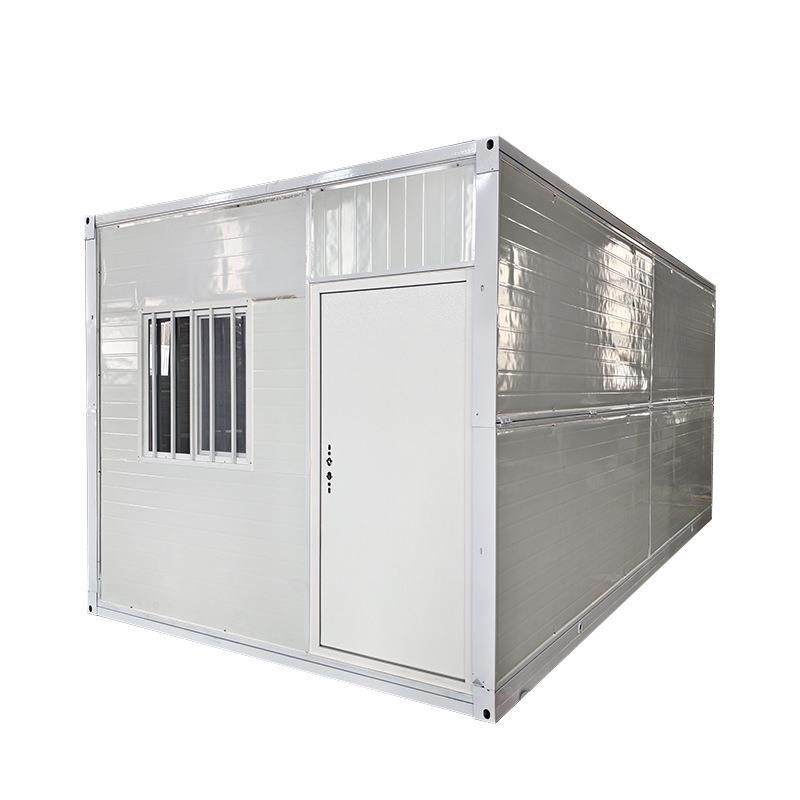
Advantages of Prefabricated Panel Roofs
In the realm of rural self-built housing, the use of prefabricated cement panels as roofs was quite common two decades ago. This was mainly because prefabricated panel roofs offered the advantage of being inexpensive, making them a more economical choice for rural families with limited financial resources. Additionally, their construction speed was extremely fast, with hoisting and installation being completed in just a day or half a day, significantly shortening the housing construction cycle and quickly meeting residential needs.
Disadvantages of Prefabricated Panel Roofs
- Joints Prone to Cracking: The joints between two floor slabs are the weak points of prefabricated panel roofs and are prone to cracking. This not only affects the aesthetics of the roof but may also have a certain impact on the structural stability of the roof.
- Poor Waterproofing Performance: The waterproofing performance of prefabricated panel roofs is poor, with a relatively high probability of rain leakage. Even if waterproofing measures are taken, it is difficult to guarantee complete leak-proofness. This is because the joints between prefabricated panels are difficult to seal completely, allowing rainwater to easily seep into the interior through the joints.
- Poor Thermal Insulation: The thermal insulation performance of prefabricated panel roofs is not good, with poor heat insulation in summer and poor heat preservation in winter. To improve this situation, it is usually necessary to cover the roof with additional roofing materials, such as insulation boards or tiles, to increase the roof's thermal insulation performance.
- Low Seismic Resistance: In earthquake-prone areas, the seismic resistance of prefabricated panel roofs is low, making them prone to collapse. This is because the connections between prefabricated panels are relatively weak, and they are prone to separation and displacement under seismic action, leading to roof collapse.
Demolition of Houses with Prefabricated Panel Roofs
Not all houses with prefabricated panels will be demolished. Only those identified by professional institutions as having safety hazards, such as structural instability or a risk of collapse, or those that have been included in urban renewal or demolition planning areas, will be demolished. For houses with prefabricated panel roofs that have no safety hazards and are not included in demolition planning, their safety and usability can be improved through reinforcement and renovation.



