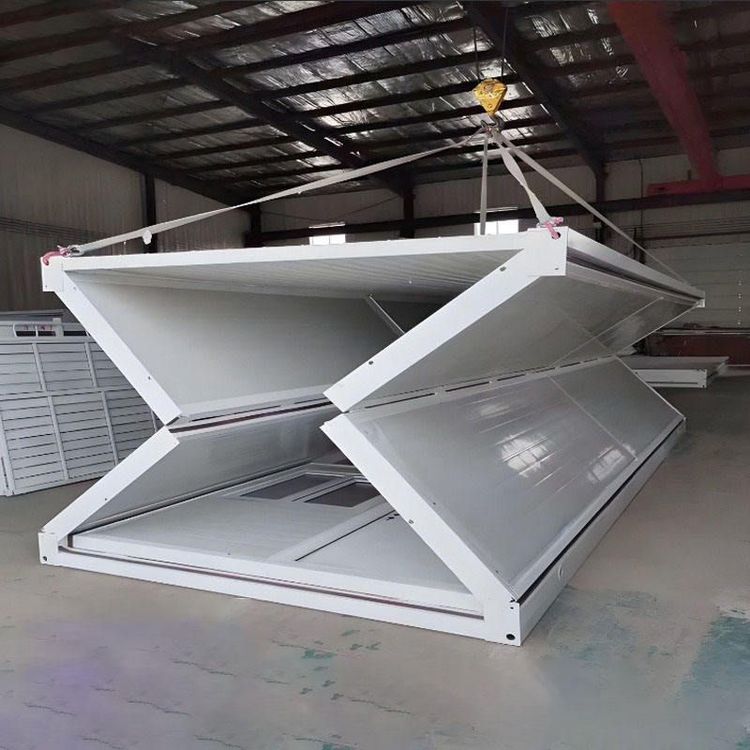
Inside Mobile Toilets
The facility configuration of mobile toilets typically covers five major categories: sanitary ware, environmental control, water supply and drainage, power systems, structural components, and basic configurations, as detailed below:

Core Sanitary Ware
The primary function of mobile toilets is to meet sanitation and cleaning needs, so they are equipped with a complete sanitary ware system. Toilets are the core equipment, including ceramic squat toilets, sit-down toilets, or stainless steel toilets. Some high-end products are designed with safety seats or special toilet seats for children; handwashing systems include sinks, faucets, and water storage tanks, with some products equipped with sensor faucets to reduce contact contamination; auxiliary facilities such as mirrors, coat hooks, storage shelves, toilet paper holders, and trash bins provide convenience for users, with trash bins typically featuring foot-operated designs to avoid hand contact.Environmental Control Systems
To ensure user comfort, mobile toilets are equipped with environmental regulation equipment. Ventilation systems use powerful exhaust fans (20-50 watts) to circulate air and prevent odor buildup; lighting systems employ LED energy-saving lights (5-15 watts), with some products adding emergency lights for sudden power outages; temperature control systems are configured according to climate differences, with cold regions possibly adding insulation materials, electric heaters, or small heaters, and hot regions regulating temperature through ventilation skylights or small air conditioners.Water Supply and Drainage, and Power Systems
The independent operation of mobile toilets relies on complete water supply and drainage and power support. Water supply systems are divided into self-contained tank types (relying on manual water replenishment) and external water source types (requiring connection to municipal water supplies); sewage systems use bottom sewage tanks, foam sealing, or microbial degradation technology, with foam sealing reducing sewage production and thus lowering cleaning frequency, and microbial degradation suitable for scenarios without sewage pipelines; power systems primarily use 220V municipal power access, with remote areas powered by built-in batteries or solar panels to ensure normal operation of lighting, ventilation, and other equipment.Structural Components and Accessories
The structural design of mobile toilets balances safety and practicality. Door lock and indicator systems include internal safety locks and external 'occupied/unoccupied' indicator locks or LED displays to avoid usage conflicts; material selection involves wall panels made of high-density polyethylene, fiberglass, or color-coated steel, and floors laid with anti-slip flooring or fiberglass grating to ensure durability and slip resistance; barrier-free facilities are designed for special populations, such as handrails, wheelchair turning spaces, and low-positioned handwashing sinks, reflecting humanistic care.Basic Configurations
In addition to the above functional modules, mobile toilets are also equipped with basic electrical facilities. Lighting systems and outlets meet basic power needs, distribution boxes are used for centralized circuit management, and exhaust fans assist ventilation systems in enhancing air purification. Some high-end products add inverter air conditioners to further enhance the user experience.