
How About a Standalone Mobile Toilet
Standalone mobile toilets are flexible, practical, and eco-friendly, suitable for a variety of scenarios, and serve as an effective solution for temporary or short-term toilet needs.
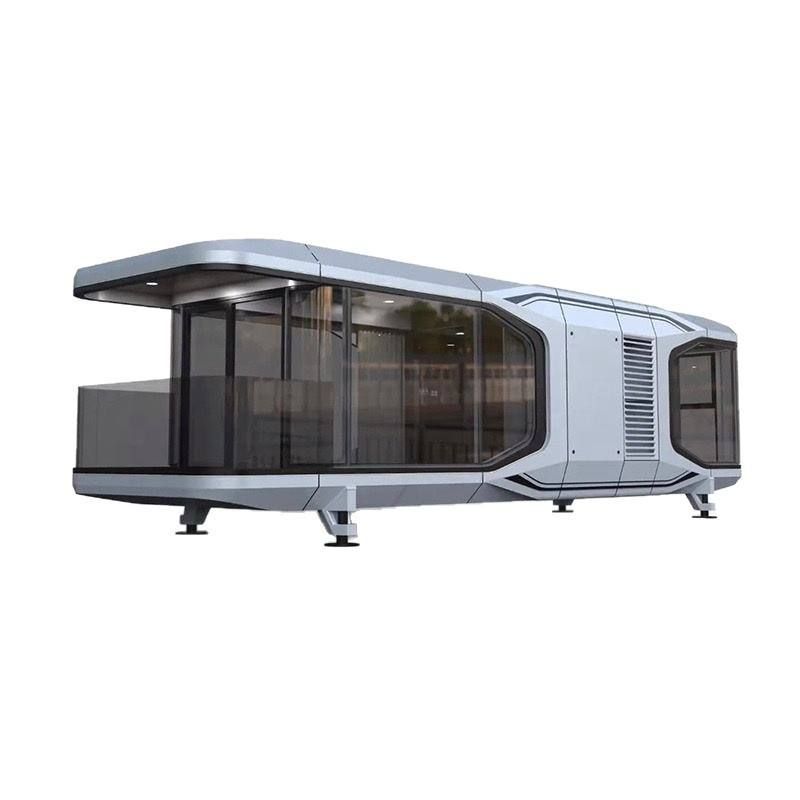
1. High mobility, adaptable to site changes
The core advantage of standalone mobile toilets lies in their mobility. They do not require a fixed foundation or pipeline installation and can be quickly deployed through hoisting or towing. For example, during peak tourist seasons, Dalian City relocates mobile public toilets to areas with high foot traffic. In the 2026 May Day holiday, the Jinci Scenic Area in Shanxi converted a bus-based mobile men's toilet and adjusted the functions of fixed toilets, resulting in a nearly 70% increase in daily reception capacity. This flexibility reduces resource waste caused by site changes and is particularly suitable for temporary events or areas with inadequate infrastructure.
2. Diverse treatment methods, balancing eco-friendliness and efficiency
Mobile toilet treatment technologies encompass various types:
- Storage-type: Equipped with an internal fecal storage tank, these toilets use chemical or biological decomposition for odor control and are suitable for areas without a water source.
- Recirculating water-flush type: These toilets are equipped with a small water tank, and the flushing water is filtered and reused, offering significant water-saving benefits.
- Dry/composting type: These toilets use additives to promote natural decomposition. Although they require regular cleaning, they are more eco-friendly and are commonly found in ecologically sensitive areas.
Some products also incorporate energy-saving designs such as solar lighting and water-saving valves to further reduce environmental impact.
3. Optimized materials and structure, balancing durability and comfort
The outer shells are mostly made of fiberglass or metal engraved panels, which are corrosion-resistant and easy to clean. The frames are made of steel or aluminum alloy to ensure stability. Internally, they are equipped with toilets, sinks (some simplified models may omit them), ventilation devices, and lighting. Details such as door locks and handrails are adjusted according to the scenario. For example, models with a single toilet and shower room use a PVC one-piece molded base for waterproofing and moisture resistance. The overall ridge design uses brick-patterned metal engraved panels for heat insulation, enhancing the user experience.
4. Wide range of applications, covering diverse needs
From construction sites and outdoor music festivals to tourist attractions and disaster relief points, mobile toilets can quickly respond to needs. They occupy a small area (only 1/3 to 1/2 of that of traditional toilets), and their factory-prefabricated, on-site installation model shortens the construction period and reduces labor and capital costs. For example, during the maintenance of urban fixed public toilets, mobile toilets can serve as temporary supplements to avoid service interruptions.
5. Modern design emphasizes a balance between functionality and aesthetics
In addition to practicality, the exterior design of mobile toilets is gradually integrating with the aesthetic needs of tourist attractions, parks, and other scenarios. Some products enhance visual harmony through color matching or brick-patterned outer shells, breaking away from the stereotype of traditional public toilets.



