The Role of Mobile Toilets
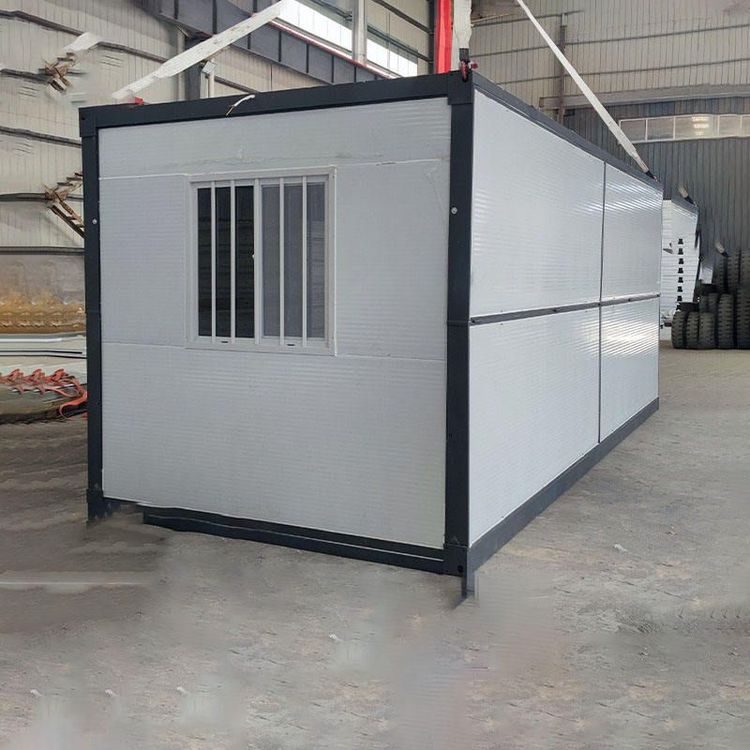
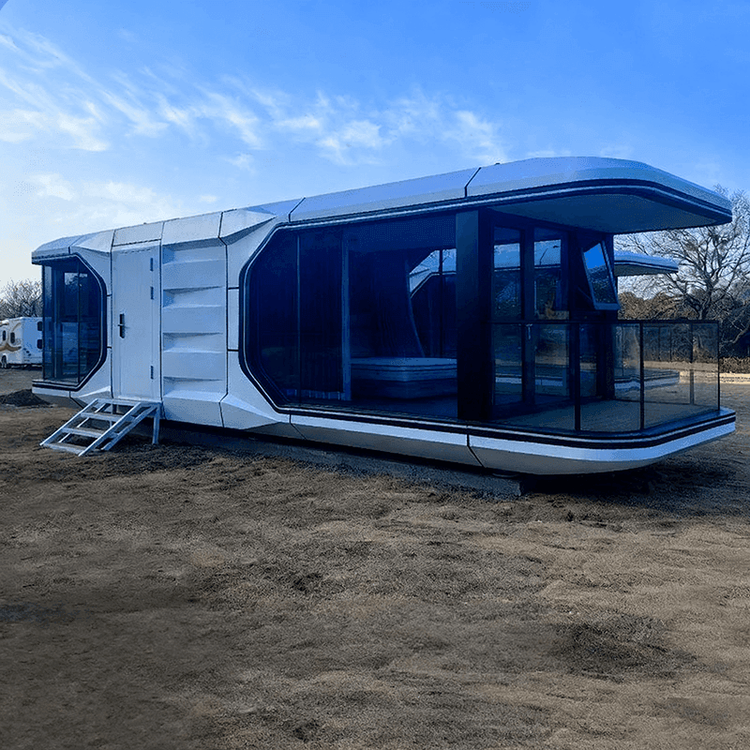
Mobile toilets are flexible and convenient sanitation facilities, and their roles are mainly reflected in their wide range of application scenarios, environmental advantages, user-friendly design, and support for urban management.

Wide Range of Application Scenarios
The flexibility of mobile toilets enables their rapid deployment in various scenarios. At large-scale events such as exhibitions and sports competitions, they can meet the toilet needs of a large number of people in a short period, avoiding the queue congestion caused by the insufficient capacity of traditional fixed toilets. After natural disasters, the infrastructure in remote or disaster-stricken areas is often damaged. Mobile toilets can be quickly set up to provide basic living support for the affected people. During holidays or peak tourist seasons, tourist attractions often face a surge in visitors. Mobile toilets can effectively alleviate the problem of difficult toilet access and enhance the visitor experience. Construction sites, with their dense population and special environment, can benefit from mobile toilets, which provide convenience for workers and reduce pollution to the surrounding environment. In addition, in densely populated places such as stations, docks, villa areas, newly built residential areas, squares, and bustling commercial streets, mobile toilets can serve as a supplement to fixed facilities to meet temporary or periodic needs.
Environmental Advantages
Modern mobile toilets generally adopt water-saving technologies and are equipped with sewage treatment systems, significantly reducing resource waste and the risk of environmental pollution. For example, waterless flush toilets, equipped with composite microbial communities, can operate stably at 40°C. They use biodegradation technology to directly treat excreta, completely eliminating dependence on water supply networks and achieving zero emissions. This design not only saves water resources but also avoids soil and water pollution problems that may be caused by sewage discharge from traditional toilets.
User-Friendly Design
The internal space layout of mobile toilets is reasonable, and they are usually equipped with facilities such as sinks, mirrors, and lighting. Some high-end models also offer air conditioners and deodorization systems to enhance user comfort. For example, barrier-free design can meet the needs of special groups, and anti-slip floors and handrails enhance safety. These detailed optimizations upgrade mobile toilets from simple sanitation facilities to public spaces that combine functionality and comfort.
Support for Urban Management
With the acceleration of urbanization, the demand for public health continues to grow. Mobile toilets have gradually become an important part of urban management and public service systems. Their flexible deployment characteristics can quickly fill the coverage gaps of fixed toilets, especially during temporary events, emergency rescues, or urban renewal stages. They can effectively alleviate public health pressure and improve the level of refined urban management.