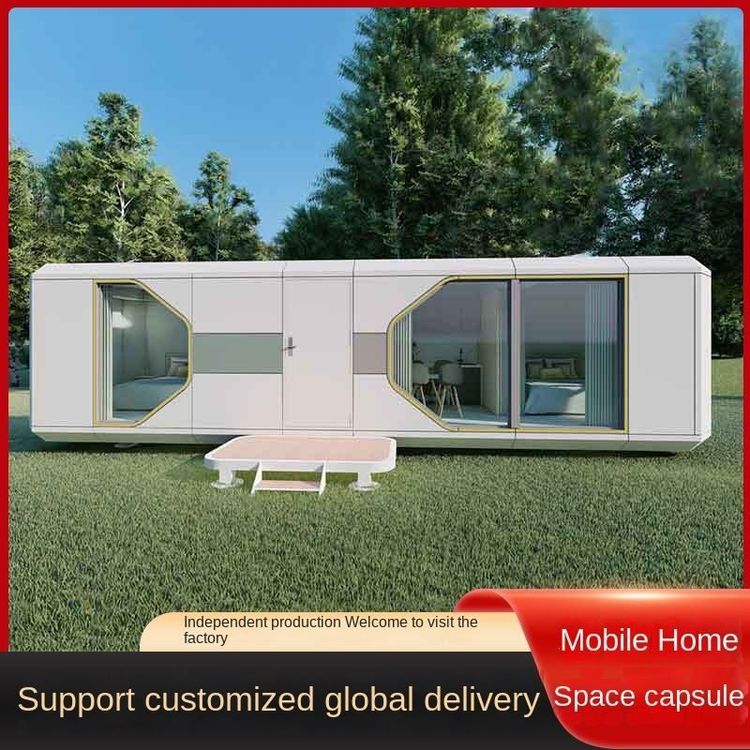
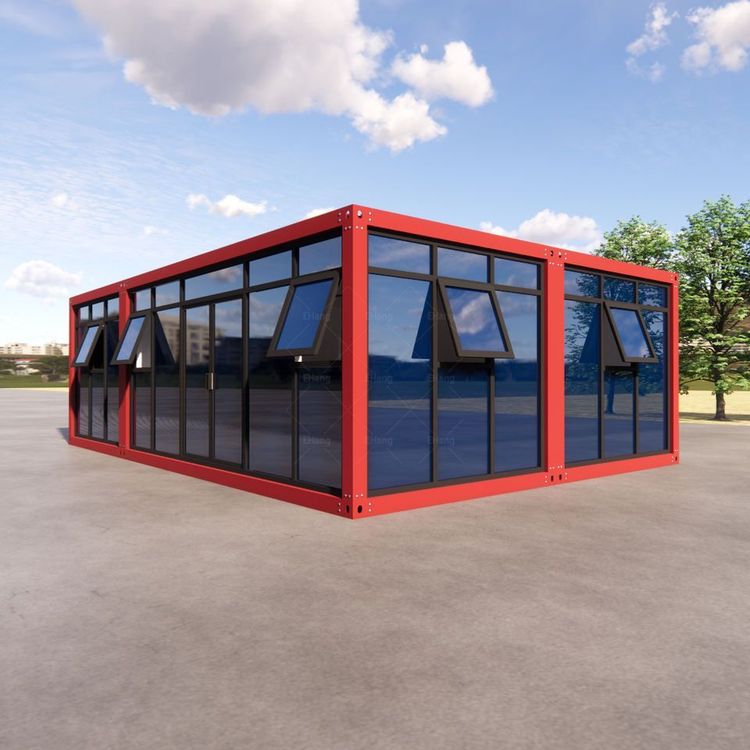
The Perfect Combination of Mobile Toilets
The perfect combination of mobile toilets is mainly reflected in two aspects: convenience and environmental protection, as well as practicality and aesthetics, achieving a balance between functionality and user experience through technological innovation and design optimization.

The Perfect Combination of Convenience and Environmental Protection
One of the core advantages of mobile toilets is their ability to break through spatial limitations. They can be flexibly deployed in various scenarios such as city corners, scenic spots, and large-scale event venues, quickly responding to temporary or long-term toilet needs. Their environmental protection features are manifested in two aspects: waste treatment and water-saving design:
- Waste Treatment Technology: Microbial degradation technology is employed, where specific bacterial colonies break down organic matter, reducing odors and lowering pollution risks. Some models are equipped with packaging and collection systems that seal and store waste for subsequent centralized treatment, avoiding direct discharge and its impact on the environment.
- Water-Saving Design: Inductive flushing devices are installed, which only flush automatically upon detecting use, reducing water waste. Some high-end models adopt waterless designs, using foam sealing or vacuum suction technology to replace traditional flushing, achieving the goal of zero water consumption. For example, mobile toilets in Longnan are finished products upon leaving the factory, requiring no on-site installation. They occupy little space and use environmentally friendly materials, further reducing their environmental burden.
The Perfect Combination of Practicality and Aesthetics
The design of mobile toilets takes into account both functionality and visual experience, enhancing user comfort through optimized spatial layouts and exterior styles:
- Window Design: Multi-cavity thermal-break aluminum alloy materials and innovative window structures are used to achieve a balance between efficient ventilation, ample natural light, and privacy protection. Systematic solutions can reduce indoor odor concentration by 67% and increase natural light coverage to 85%, significantly improving the internal environment.
- Spatial Layout and Facilities: The interior space is designed according to ergonomic principles, equipped with barrier-free facilities, handrails, storage shelves, and other user-friendly details. Some models also include air conditioning and air purification systems to enhance the user experience.
- Exterior Design: A variety of styles are available, including modern simplicity and natural landscape imitation, allowing them to blend in with the surrounding environment and avoid a jarring appearance. For example, mobile toilets in scenic spots often adopt wooden textures or stone exteriors to harmonize with the natural landscape.
Through technological innovation and design optimization, mobile toilets not only meet basic functional requirements but also achieve multiple goals of environmental protection, practicality, and aesthetics, becoming a typical example of "making a big impact in a small space" in the field of public facilities.