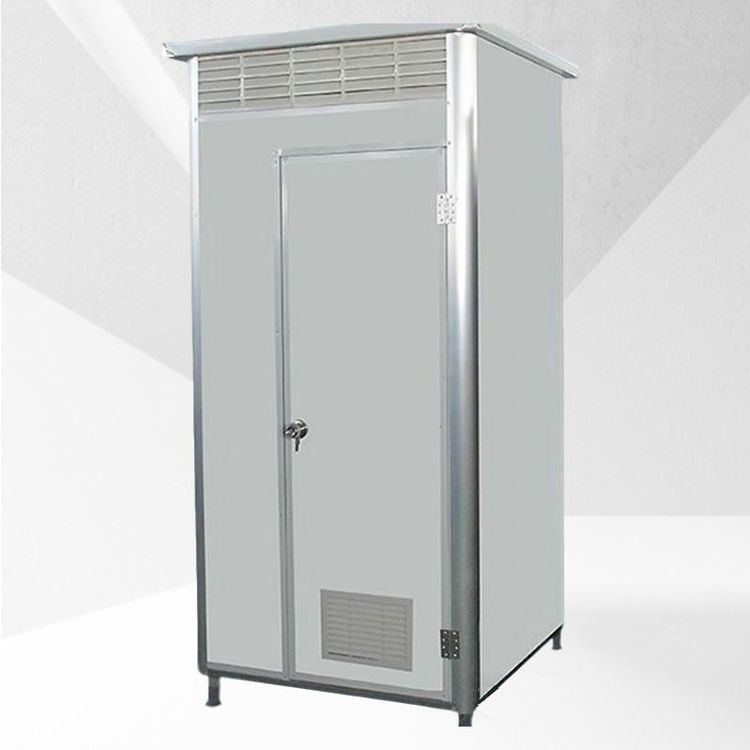
The Magical Effects of Mobile Toilets
The magical effects of mobile toilets are mainly reflected in environmental adaptability, resource optimization, emergency support, regional development, environmental protection and energy conservation, service assurance, and aesthetic integration.
Break through environmental limitations and achieve biodegradation of excreta
Mobile toilets do not rely on traditional water supply networks and can be deployed in scenarios where conventional public toilets cannot cover, such as deserts, mountainous areas, or temporary event venues. The composite microbial flora inside can operate stably in a 40°C low-temperature environment, converting excreta into harmless substances through biodegradation technology, reducing sewage discharge and odor generation, and significantly improving sanitary conditions.Alleviate the shortage of urban public toilet resources and enhance service convenience
Setting up mobile toilets in densely populated areas (such as commercial streets and tourist attractions) can quickly supplement the insufficient number of fixed public toilets, reducing the inconvenience and embarrassment caused by the difficulty of finding toilets for citizens and tourists, and directly improving the quality of urban public services and public life satisfaction.Flexibly respond to emergencies and ensure public health and safety
During short-term events such as large-scale sports events and music festivals, mobile toilets can quickly increase the supply of sanitary facilities, avoiding environmental sanitation deterioration caused by a surge in demand. Their modular design supports rapid deployment within 24 hours, effectively preventing public health hazards and ensuring the smooth progress of events.Improve living conditions in remote areas and promote the cultivation of civilized habits
In remote areas lacking infrastructure, the introduction of mobile toilets can meet residents' basic toilet needs, reduce open defecation, lower the risk of water source pollution, and guide residents to form sanitary habits through standardized use, promoting regional civilization development.Innovative design reduces resource consumption and practices sustainable development
Modern mobile toilets widely adopt water-saving technologies (such as vacuum suction flushing) and solar power supply systems. The single flush volume is reduced by more than 60% compared to traditional public toilets, and solar power can meet basic needs such as lighting and ventilation, significantly reducing energy and water consumption, in line with low-carbon environmental protection concepts.Fill the service gaps of fixed public toilets and strengthen peak-period support
During holidays or peak tourist periods in scenic spots, fixed public toilets often affect the experience due to long queues and poor sanitary conditions. The flexible deployment of mobile toilets can quickly fill service gaps, ensuring that the public's basic needs are met and avoiding negative evaluations caused by toilet issues.Avoid environmental pollution and ensure sanitary safety in temporary venues
At construction sites, temporary markets, and other venues, mobile toilets can replace open defecation points, preventing fecal contamination of soil and water sources and reducing the risk of disease transmission. Their enclosed design also reduces odor diffusion and improves the surrounding environmental quality.Integrate aesthetic design and enhance the user experience
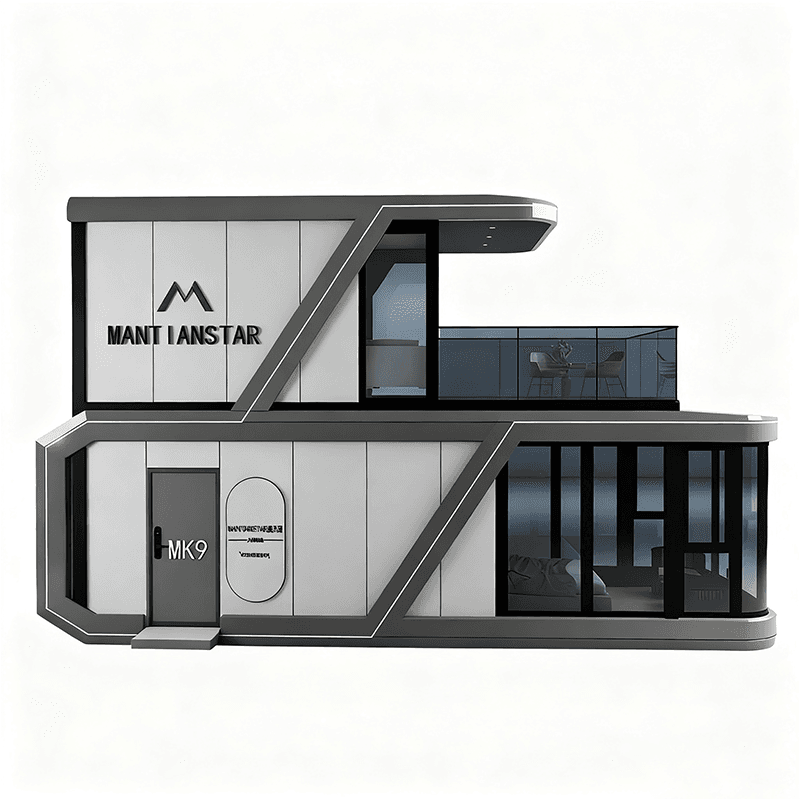
With technological advancements, mobile toilets are no longer limited to functionality but are designed with streamlined appearances and natural material decorations to harmoniously blend with environments such as parks and scenic spots. Some high-end models are also equipped with air conditioning and music playback functions, becoming "invisible service points" that enhance public satisfaction.