
What is the Lifespan of Prefabricated Panel Houses?
The lifespan of prefabricated panel houses typically ranges from 30 to 50 years, depending on design, construction, and maintenance conditions.
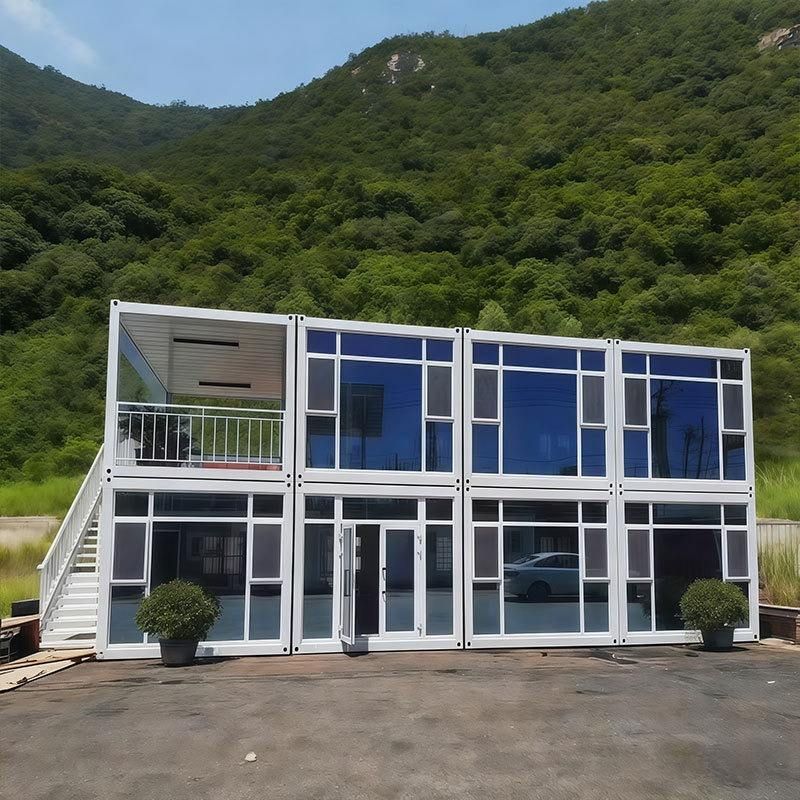
Design Lifespan and Regulatory Standards
The design lifespan of prefabricated panel houses is generally estimated to be between 30 and 40 years, based on conservative estimates from early building codes and material properties. However, with technological advancements and updated regulations, the national standard design lifespan for ordinary residential buildings has been extended to 50 years. This means that, under normal construction and reasonable maintenance conditions, prefabricated panel houses do not require large-scale structural repairs within 50 years. After this period, they can continue to be used safely if they pass professional inspections and undergo necessary reinforcement treatments. The design lifespan is a theoretical reference value, and the actual lifespan needs to be comprehensively evaluated in combination with other factors.
The Critical Role of Construction Quality
The actual lifespan of a house is closely related to the initial construction quality. If the construction process strictly adheres to design specifications, uses qualified materials, and ensures the reliability of key components such as prefabricated panel connection nodes and foundation structures, the house's lifespan can approach or exceed the design limit. Conversely, if there are issues such as shoddy workmanship or loose connections, structural safety hazards may arise even if the house is relatively new, shortening its lifespan. Construction quality is the core factor determining the durability of a house.
The Impact of Post-Construction Maintenance
Regular maintenance is crucial for extending the lifespan of prefabricated panel houses. Daily maintenance includes checking for roof and wall leaks, repairing cracks, cleaning drainage systems, and preventing steel bar corrosion. If maintenance is neglected for an extended period, environmental erosion (such as rainwater and freeze-thaw cycles) will accelerate material aging and lead to a decline in structural performance. For example, if the joints between prefabricated panels are not treated promptly, moisture penetration may cause steel bar rust expansion, thereby damaging the overall stability. Scientific maintenance can significantly delay the aging process of a house.
Age is Not the Sole Criterion
Whether a house can continue to be inhabited cannot be judged solely by its age. Even if a house is over 50 years old, if it was constructed with high quality and has been well-maintained over the years, it can still be used after passing professional inspections to confirm its structural safety and undergoing reinforcement and renovation (such as adding supports and replacing aging components). Conversely, if a house is relatively new but has serious quality defects or has been neglected for a long time, it may face premature demolition or reconstruction. The actual lifespan should be based on the results of structural safety assessments.



