
The Life of Mobile Toilets
Mobile toilets play a crucial role in daily life, providing convenient and flexible sanitation solutions. Here are their specific functions:
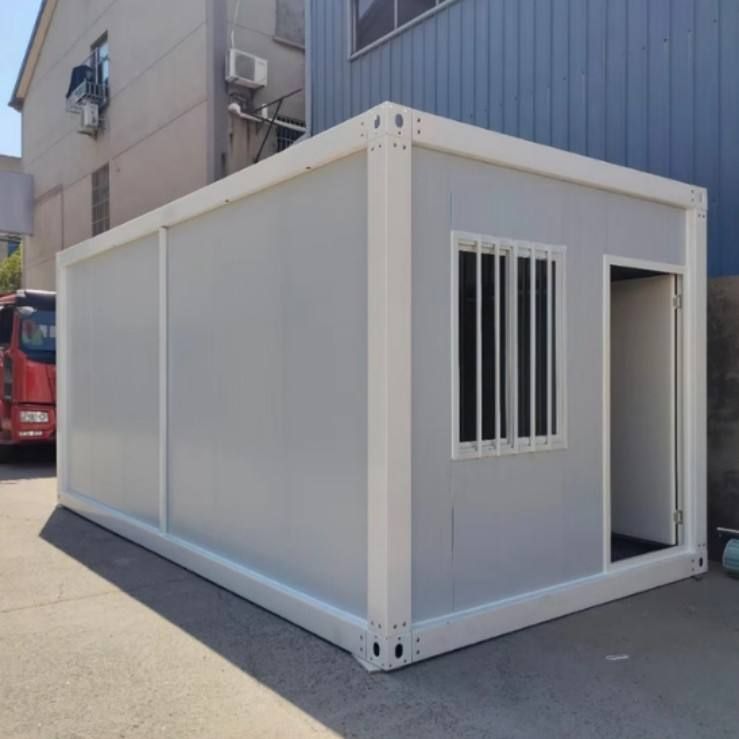
Wide Application Scenarios to Meet Diverse Needs
Mobile toilets are suitable for a wide range of scenarios. In large public places such as parks, squares, large construction sites, and concert venues, they can be quickly deployed to effectively solve the toilet problems caused by sudden surges of people. At various temporary event sites like exhibitions and sports meets, they can also promptly meet temporary needs. For families or individuals, portable commodes can be placed beside the bed or in temporary outdoor dwellings, offering convenience to the elderly, patients, or those with mobility issues and safeguarding their dignity.
Solving Life Embarrassments and Avoiding Inconveniences
In bustling streets, outdoor music festivals, and other scenarios, people often encounter the embarrassing situation of suddenly needing to use the toilet but being unable to find one. The emergence of mobile toilets has solved this problem for people, preventing situations such as missing wonderful performances due to waiting in line for the toilet. This allows people to enjoy the events without worrying about toilet issues.
Enhancing User Experience with Increasingly Improved Facilities
Modern mobile toilets are made of high-strength environmentally friendly materials and are equipped with anti-slip floors, ventilation systems, and lighting fixtures. Some high-end models are also equipped with washbasins and storage racks, and their internal space layouts are optimized through ergonomics. The lighting systems use natural light simulation technology, providing a comfortable light environment even in windowless settings. They have transformed from simple emergency facilities in the early days to facilities that can offer a relatively comfortable user experience.
Incorporating Technological Elements with Continuous Functional Innovations
Mobile toilets have seen innovations in sewage treatment, ventilation systems, water-saving technologies, and smart functions. The equipped sewage treatment devices combine biological degradation with physical separation, featuring a short treatment cycle and a small footprint. The ventilation systems adopt a combination of negative pressure exhaust and natural convection, which is more energy-efficient. The flushing systems use pneumatic-assisted designs to reduce water consumption. Some smart mobile public toilets also integrate multiple functional modules, and their intelligent systems can monitor the usage status of toilet stalls in real-time to ensure a persistently clean environment.
Facilitating Deployment and Management to Improve Operational Efficiency
The overall structure adopts a modular design. During transportation, it can be divided into several standard-sized units. After arriving at the site, it can be quickly assembled. The number of units and layout can be adjusted according to the site conditions and predicted foot traffic. The equipped remote monitoring systems can collect data in real-time, allowing managers to understand the operational status of multiple facilities through data terminals and intervene in problems promptly, thus improving the overall availability of the facilities.



