
The Ineffectiveness of Mobile Toilets
The ineffectiveness of mobile toilets may stem from various factors, including inconvenience in use, sanitation risks, inadequate privacy protection, management loopholes, high costs, and technical flaws.
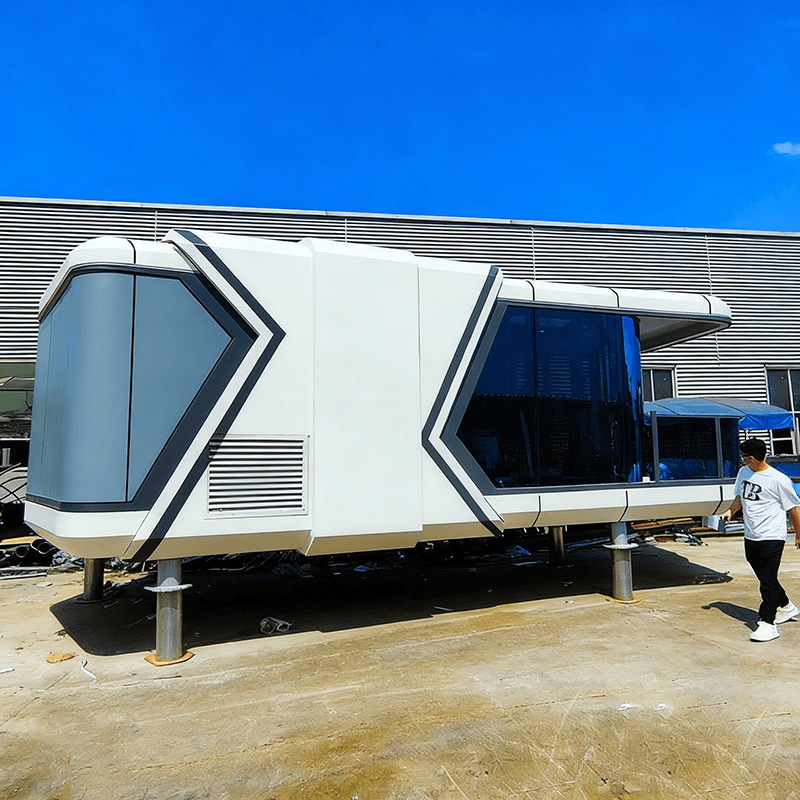
Inconvenience in use is one of the direct causes of mobile toilet failure. They often do not fit tightly with the ground, making them prone to wobbling or tipping over, especially in windy conditions or on uneven surfaces. The narrow interior space makes it difficult to operate cleaning tools, leading to the accumulation of dirt in hard-to-reach areas. For obese individuals or those with mobility issues, using such toilets can be uncomfortable or even result in injuries due to the cramped space.
Sanitation risks are a core issue. Mobile toilets have limited capacity, and if not cleaned promptly, the accumulation of waste can produce a pungent odor, attract insects, and breed bacteria, increasing the risk of disease transmission. Some water-based facilities may suffer from pipe ruptures or leaks due to aging or external damage if left unused for extended periods, contaminating the surrounding environment and potentially causing electrical hazards. Delayed manual cleaning, especially during pandemics, can become a medium for virus transmission.
Inadequate privacy protection affects user experience. The narrow space makes it difficult to provide sufficient privacy through physical barriers, causing users to feel anxious about being watched. Frequent cleaning is necessary, and if there are no "in use" signs, accidental encounters between cleaners and users can cause psychological distress and reduce willingness to use the facilities.
Management loopholes are a significant source of safety risks. Some cases have shown that mobile toilets are moved without confirming whether anyone is inside, revealing issues such as missing operational procedures and inadequate safety protection mechanisms. For example, the lack of anti-mislocking devices or dedicated supervision can lead to users being trapped or injured, triggering safety incidents.
High costs limit long-term use. Mobile toilets require regular maintenance, including cleaning, transportation, and equipment replacement, resulting in high labor costs. The independent design of sewage, water supply, and electrical systems increases repair expenses, and if located in remote areas, transportation costs further rise, potentially exceeding budget limits.
Technical flaws hinder functional optimization. Traditional solutions rely on municipal sewage networks, limiting site selection and increasing construction costs. Inadequate odor control technology and improper waste disposal can cause secondary pollution, affecting the quality of the surrounding environment. These flaws make it difficult for mobile toilets to meet diverse scenario demands and can even become a burden on urban management.


