
The Efficacy of Mobile Toilets
The efficacy of mobile toilets is mainly reflected in alleviating toilet pressure in public places, providing temporary convenience, adapting to site changes to reduce resource waste, offering diverse treatment methods, occupying a small area, enhancing user experience and aesthetics, as well as being environmentally friendly and durable.
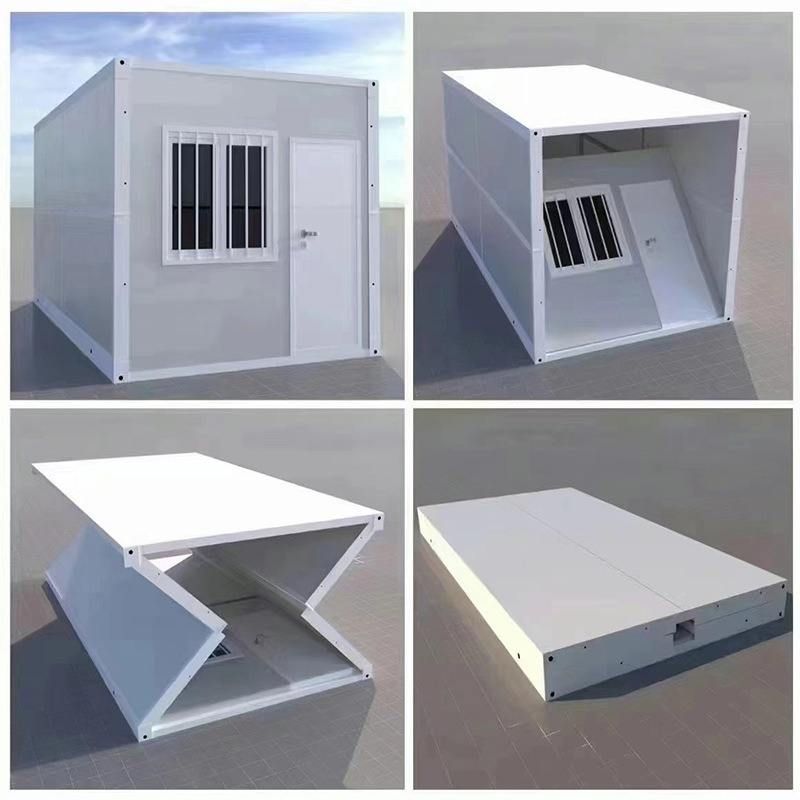
Alleviating toilet pressure in public places: During holidays, large-scale events, or peak tourist seasons, fixed toilets often fail to meet demand due to a surge in foot traffic. Mobile toilets can quickly fill service gaps through flexible deployment. For example, during the May Day holiday in 2026, the Jinci Scenic Area in Shanxi used buses as mobile men's toilets and temporarily converted fixed men's toilets into women's toilets, increasing the average daily reception capacity by nearly 70% and effectively alleviating toilet pressure.
Providing temporary convenience: At temporary event venues (such as music festivals and exhibitions) or construction sites, mobile toilets can be quickly set up, preventing environmental pollution or public health hazards caused by a lack of excretion facilities. Their plug-and-play feature provides basic living support for densely populated areas.
Adapting to site changes and reducing resource waste: The mobility of mobile toilets allows them to adjust positions according to demand, avoiding resource waste caused by the demolition of fixed toilets due to site planning changes. For example, Dalian City optimized toilet services in densely populated areas during the peak tourist season by dynamically allocating mobile public toilets.
Diverse treatment methods: Depending on environmental constraints, mobile toilets can employ technologies such as water flushing, waterless suction, recirculating water flushing, or dry packing. For example, water-saving recirculating water flush toilets can be selected in arid regions, while dry packing types can be used in areas without sewage pipelines, flexibly adapting to different scenarios.
Occupying a small area: Compared to traditional fixed toilets, mobile toilets have a compact structure, significantly reducing land resource occupation, making them particularly suitable for temporary venues with limited space or densely populated urban areas.
Enhancing user experience and aesthetics: Modern mobile toilet design emphasizes the combination of functionality and aesthetics, using environmentally friendly materials, non-slip floors, and user-friendly layouts. Some products even blend with the surrounding environment, becoming part of the landscape and improving user satisfaction.
Being environmentally friendly and durable: Some mobile toilets use materials such as high-density keels and galvanized steel plates, with high-temperature spray-painted surfaces for corrosion and rust resistance. They are equipped with environmentally friendly facilities internally, extending service life and reducing maintenance costs.



