
The Disadvantages of Mobile Toilets
The disadvantages of mobile toilets are mainly reflected in aspects such as facility risks, inconvenience in use, sanitation hazards, privacy protection, cost investment, storage limitations, technological dependence, durability, adaptability, and environmental impact. Details are as follows:
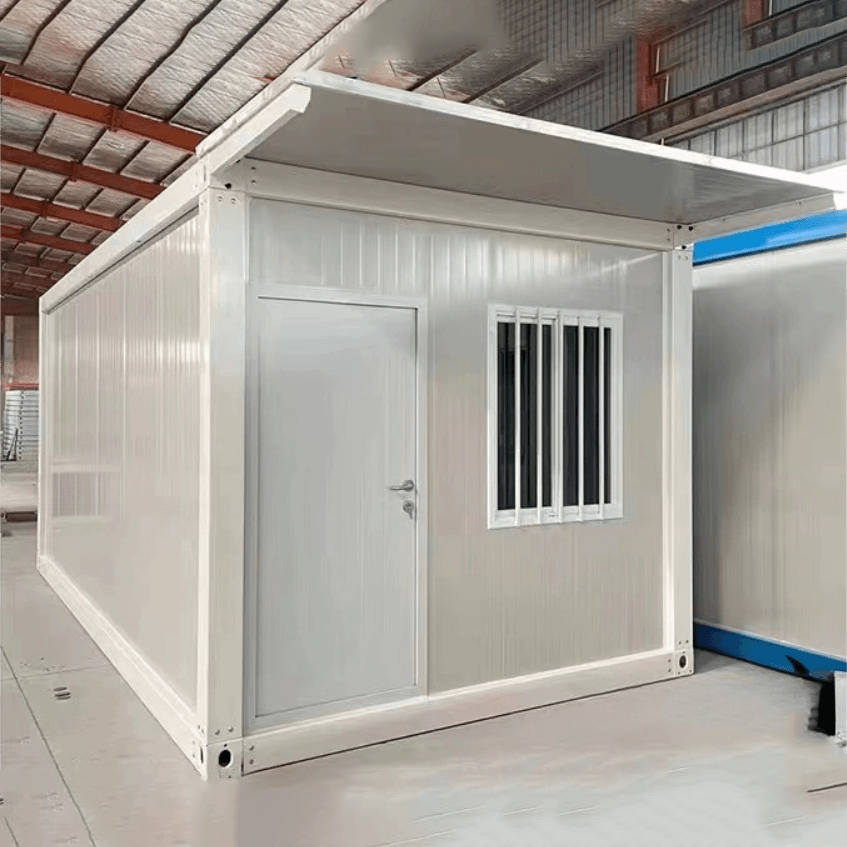
Risks inherent in the facilities
Even with enclosed designs and exhaust systems, some mobile toilets may still emit strong odors due to insufficient ventilation, which can affect respiratory health with long-term use. Poor-quality products have low durability and may collapse or break, causing injuries. Additionally, some toilets lack safety features such as handrails and alarm devices, leaving users unprotected in case of slips or emergencies.Inconvenience in use
Mobile toilets are not tightly connected to the ground, making them prone to shaking or even tipping over. Their small interior space makes cleaning difficult and poses challenges for obese or mobility-impaired users. In complex terrains or confined spaces, additional equipment is required for movement and positioning, reducing deployment efficiency.Difficulties in sanitation maintenance
Limited capacity leads to the accumulation of waste, which, if not cleaned promptly, produces odors and bacteria, even posing risks of epidemic transmission. Manual cleaning is inefficient, and water-equipped facilities left idle for long periods may leak due to pipe ruptures, exacerbating sanitation issues.Weak privacy protection
The confined space fails to provide sufficient privacy, making users vulnerable to being observed. Frequent cleaning requires contact between users and cleaning staff, causing psychological stress for both parties.High cost investment
Maintenance requires significant labor, cleaning, and transportation costs, while repair expenses increase due to independent sewage, water supply, and power system designs. Long-term use is costly, making widespread adoption difficult in areas with limited economic resources.Limited waste storage space
Although storage capacity is relatively large, regular cleaning is necessary, and unlike traditional toilets, they cannot be directly connected to sewer systems, requiring more frequent maintenance.Strong technological dependence
Mobile toilets using biotechnology or solar power have higher maintenance costs and technical requirements. When malfunctions occur, professional repairs are needed, making it difficult for ordinary users to handle them independently.Lower durability than traditional toilets
Despite being reusable and disassemblable, their overall lifespan is generally shorter than that of traditional fixed toilets, requiring frequent replacement of parts with long-term use.Limited adaptability
In areas without water supply or sewer systems, mobile toilets require regular water replenishment or waste disposal, with usage efficiency constrained by environmental conditions.Environmental management risks
Without effective supervision, issues such as sewage leakage may pollute soil and water sources, negatively impacting the ecological environment.



