
Mobile Toilets in Textile Workshops
Equipping textile workshops with mobile toilets can significantly optimize the working environment and enhance production efficiency, as demonstrated in the following aspects:
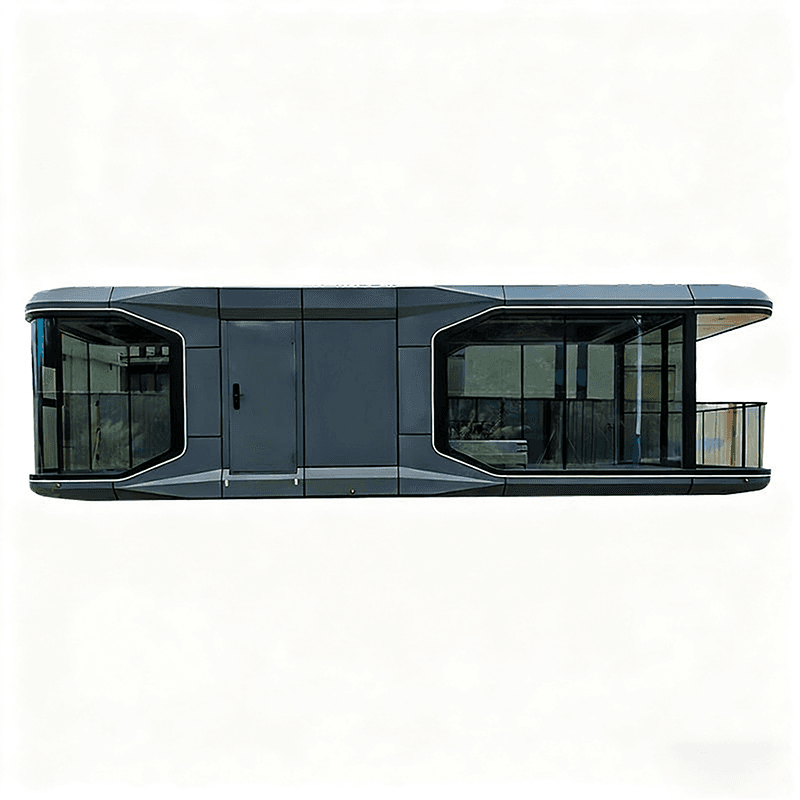
Reduce employee travel time and increase effective working hours
Mobile toilets, strategically placed at the edges of workshops or near work areas, can substantially decrease the distance employees need to travel for restroom breaks. For instance, in large factories, if fixed toilets are located at one end, employees from the far end may spend 10 to 15 minutes per round trip; whereas mobile toilets can reduce this time to 2 to 3 minutes. Assuming four restroom breaks per day, each employee can save 30 to 60 minutes daily, directly increasing effective production time, especially in labor-intensive textile workshops.Improve air quality and maintain work focus
Modern mobile toilets are equipped with independent ventilation systems and sealed septic tanks, effectively isolating pollutants and preventing the spread of odors caused by traditional sewage pipes passing through production areas. In textile workshops with abundant fibers and dust, good air quality can reduce employee distractions or health issues caused by discomfort, thereby maintaining operational focus and physical comfort, indirectly enhancing work efficiency.Support high-frequency maintenance and minimize production disruptions
Textile workshops have high usage rates for sanitary facilities. Mobile toilets, made of easy-to-clean materials (such as stainless steel plates and color-coated steel plates) and featuring modular designs, support daily scheduled flushing and weekly deep maintenance. Cleaning procedures can be scheduled during non-production hours or completed quickly, avoiding production interruptions due to facility failures and reducing employee absenteeism caused by hygiene issues.Optimize human resource allocation and ensure assembly line efficiency
The dispersed placement of mobile toilets enables employees to fulfill personal needs in a shorter time, ensuring tighter shift transitions. In assembly line operations, the absence of a single employee can cause the entire line to wait or slow down; the convenience of mobile toilets reduces such interruptions, particularly in continuous textile processes (such as spinning and weaving).Flexibly adjust layout and reduce expansion costs
The mobility of mobile toilets allows factories to dynamically adjust their positions according to production plans. During peak order periods or temporary expansions, additional toilet units can be quickly added, avoiding the civil engineering costs (such as pipe laying and space renovation) and time costs (such as construction duration) associated with fixed facility expansions, and preventing disruptions to existing production orders due to construction.Adapt to workshop environments and ensure durability and hygiene
Textile workshops face issues such as fiber飞扬 and dust accumulation. The materials (such as corrosion-resistant stainless steel) and structural designs (such as sealed doors and efficient ventilation) of mobile toilets must meet hygiene and durability requirements. For example, sealed structures prevent fibers from entering the facilities, and easy-to-clean surfaces reduce dust adhesion, thereby lowering maintenance frequency and extending service life.



