Terrace Mobile Toilet Construction
The construction of a terrace mobile toilet can be achieved through three methods: bucket modification, water storage tank modification, or modular container toilet installation. The specific steps and key points are as follows:

1. Bucket Modification Method
Base Construction
Select corrosion-resistant wooden boards for the base frame and install four universal wheels (with brake function) to ensure flexible movement and stable fixation. The base dimensions should be adjusted according to the bucket diameter, typically recommended to be no less than 1.2 times the bucket diameter in length and width to distribute the load pressure evenly.Bucket Processing and Fixation
Choose a high-strength plastic bucket (capacity recommended ≥50L) and use an angle grinder to cut an opening (diameter approximately 30-40 cm). The cut edges should be polished smooth and then reinforced with wooden boards to prevent scratches. A hole should be drilled at the bottom of the bucket to install a bent drain pipe (diameter 50mm), which should be connected to a floor drain with a slope of ≥2% to avoid water accumulation.Internal Structure and Function Integration
Line the inside of the bucket with aluminum-plastic panels up to a height of 1.8 meters and install a lid (with a sealing strip) at the top. Choose a lightweight portable toilet and apply sealant at the connection point between the toilet base and the bucket. For the shower area, use PVC pipes to make a showerhead bracket and connect a three-way pipe to enable hot and cold water switching. The valve should be pressure-resistant (working pressure ≥0.6MPa).Door and Decoration
Fabricate a wooden door with hinges from 1.2 cm thick wooden boards, ensuring the door gap is ≤5 mm to reduce odor diffusion. The exterior can be painted with waterproof paint, and a green bucket (for storing shower wastewater) can be placed on top with a water pipe connector installed to form a simple wastewater recycling system.
2. Water Storage Tank Modification Method
Mobile Base Construction
Fix four universal wheels to the bottom of a plastic pallet, ensuring the pallet size is more than 20% larger than the base area of the water storage tank to ensure even load distribution. It is recommended to use a recycled food-grade plastic tank (capacity ≥100L) for the water storage tank, which should be cleaned and disinfected before use.Tank Modification and Fixation
Cut an opening (diameter approximately 50 cm) at the top of the tank and stack and fix two tanks together (reinforced with metal brackets), keeping the total height within 2 meters. Cut a rectangular doorway (height 180 cm, width 50 cm) and reinforce the cut edges with angle iron to prevent deformation.Drainage and Toilet Installation
Drill a hole in the internal floor to install a bent drain pipe (diameter 75mm) connected to an external drainage system. Choose a water-saving toilet (single flush volume ≤3L) and seal the connection point between the toilet base and the tank with glass glue. Install water pipes and faucets on the wall using clips, and modify a stainless steel basin as a sink, connecting it to the toilet tank below for wastewater recycling.Door and Function Optimization
Install a wooden door with hinges and embed a sealing strip in the door frame. The length of the shower hose should be recommended to be ≥1.5 meters, connected to the cold water outlet reserved at the top of the tank. Solar lights can be installed on top to solve the problem of night lighting.
3. Modular Container Toilet (Rapid Construction Method)
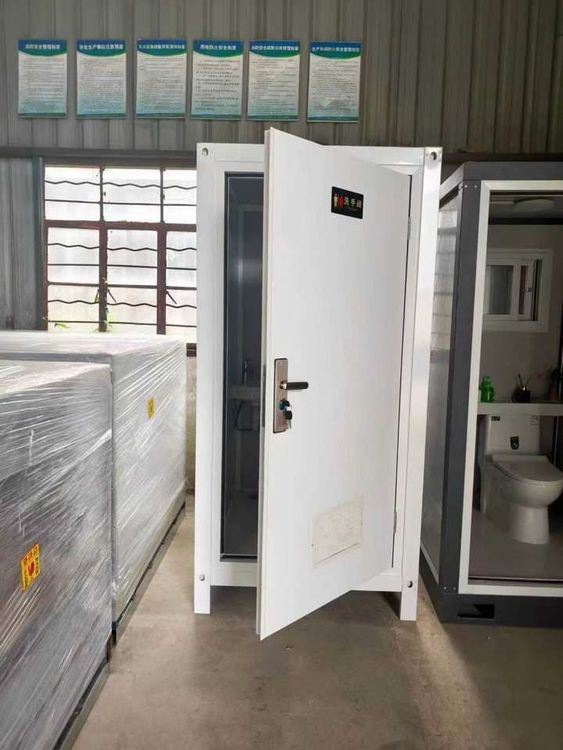
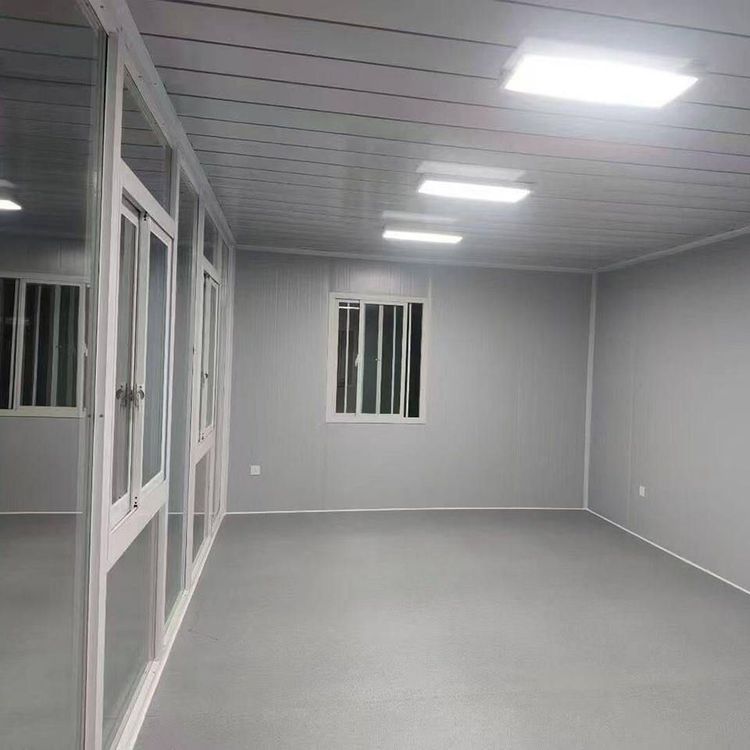
If rapid deployment is required, a standardized designed container toilet can be selected, which supports factory prefabrication and on-site assembly, typically completed within 2 hours. This solution integrates functions such as a toilet, sink, and ventilation system, making it suitable for scenic spots, commercial streets, and other scenarios, but with a relatively high cost (approximately 20,000 to 50,000 yuan per unit).