
Tent-style Mobile Toilet
Tent-style mobile toilets generally refer to toilet types that use tents as the main structure and can be flexibly erected and dismantled. The following provides an introduction from three aspects: structural characteristics, application scenarios, and upgrades and improvements.
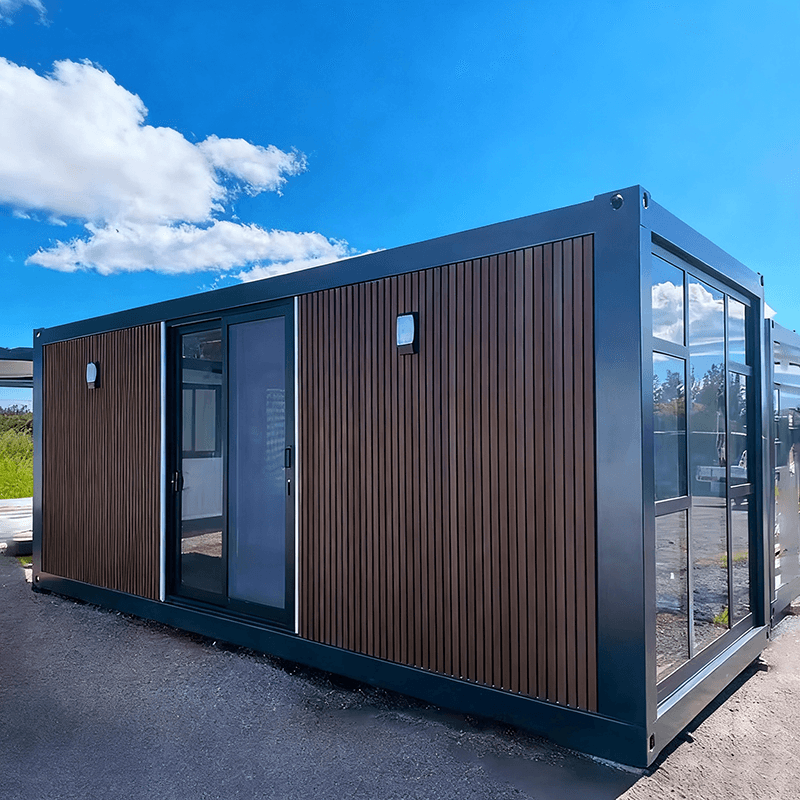
Structural Characteristics: Tent-style toilets use tents as their core supporting structure, which gives them extremely high flexibility. The process of erecting and dismantling them is relatively simple, requiring no complex tools or a large amount of manpower, and can be completed in a short time, making them highly suitable for addressing temporary toilet needs. The tent material generally has good waterproof and sun-blocking properties, effectively protecting the internal facilities from the influence of the external environment while providing users with a relatively comfortable space.
Application Scenarios: Tent-style toilets play an important role during large-scale events. For example, during the commemoration of the 80th anniversary of the victory of the Chinese People's War of Resistance Against Japanese Aggression and the World Anti-Fascist War on September 3, 2025, tent-style toilets were set up in densely populated areas such as the east side of the Great Hall of the People and the west side of the National Museum of China. During the event, these areas experienced a large influx of people, leading to a sharp increase in the demand for toilet facilities. Tent-style toilets could be quickly erected to meet people's toilet needs in a timely manner and could be rapidly dismantled after the event, without causing long-term occupation and impact on the venue.
Upgrades and Improvements: As people's demands for usage experience and hygiene continue to rise, tent-style toilets are also constantly being upgraded and improved. Taking the tent-style temporary toilets in the Tiananmen area as an example, various improvements have been made. New accessible toilets have been added, providing convenience for special groups such as the disabled and the elderly, reflecting attention and respect for the needs of different populations. At the same time, the level of privacy protection has been enhanced by optimizing the design and layout of the tents and adding partitions and other facilities, allowing users to have a more private space when using the toilet. In addition, odor control has been strengthened by adopting advanced ventilation and deodorization technologies, effectively improving the air quality inside the toilets and enhancing overall usage comfort.



