
Temporary Toilet and Mobile Toilet for Construction Sites
The configuration of temporary and mobile toilets at construction sites should comply with regulatory requirements and be tailored to actual needs. Key points are as follows:
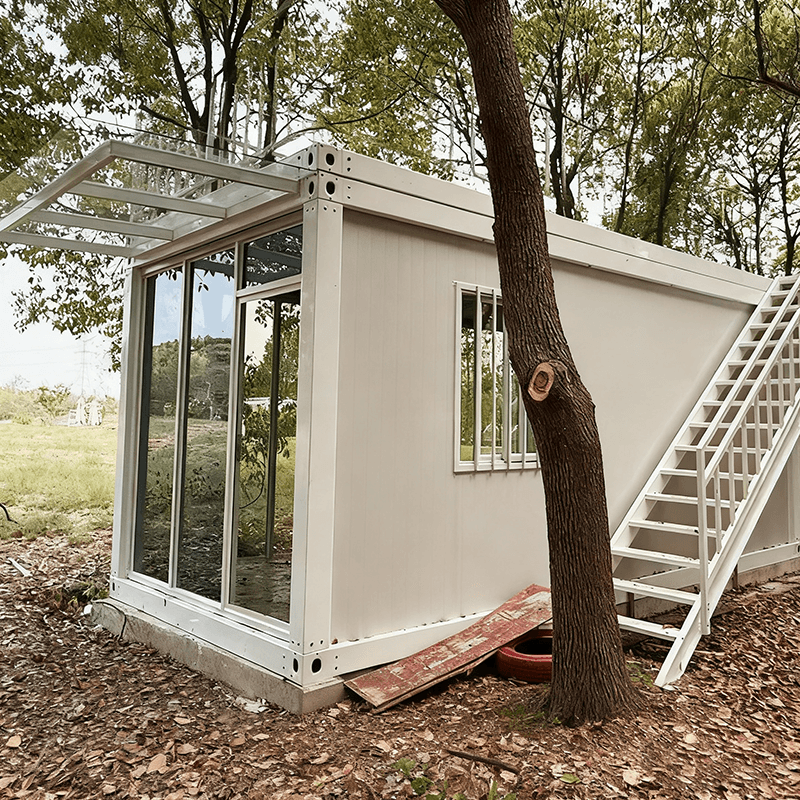
1. Regulatory Requirements and Configuration Standards
According to the "Wuxi Public Toilet Management Measures" and the "Environmental and Sanitary Standards for Construction Sites", temporary toilets must be provided when public toilets around the construction site are insufficient, with the quantity determined by the size of the workforce. For example, a temporary toilet should be installed every four floors in high-rise buildings to ensure convenience for workers. This regulation aims to safeguard sanitary conditions at the construction site and prevent health issues and reduced work efficiency due to inadequate toilet facilities.
2. Features and Advantages of Mobile Toilets
Mobile toilets are an ideal choice for temporary needs at construction sites due to their mobility, modularity, and ease of transportation. Their structure typically includes a fecal sewage storage tank, flooring, sanitary fixtures, walls, washing facilities, water tanks, roofs, and mobility devices, providing complete and independent functionality. Common types used at construction sites include single-person shower units and triple-unit squat toilets. Among them, plastic squat toilets are popular for their slip resistance, sun resistance, and ease of cleaning (with a single scoop of water sufficient for flushing due to their flow guide design), making them suitable for high-intensity use scenarios.
3. Procurement and Customization Services
Mobile toilets can be purchased through e-commerce platforms or professional suppliers, with prices varying significantly based on functionality and specifications, ranging from a thousand to several thousand yuan. Some manufacturers offer customization services. For example, Dezhou Hongtu Metal Products Co., Ltd. can produce row toilets covering an area of 30 square meters, supporting color customization and complete internal sanitary fixture configurations to meet the personalized needs of different construction sites. When purchasing, it is essential to consider the number of workers, frequency of use, and budget to avoid resource waste or insufficient functionality.
4. Installation and Usage Precautions
Before installing mobile toilets, water and electricity connections should be reserved to ensure the normal operation of water supply, drainage, and lighting systems. Daily maintenance involves regular cleaning of the fecal sewage storage tank to prevent odor diffusion or blockage; damaged sanitary fixtures should be replaced promptly to ensure safety. Additionally, the placement of mobile toilets should be away from the core construction area but within a reasonable walking distance for workers to avoid inconvenience due to remote locations.
5. Environmental Protection and Sustainability
Some mobile toilets feature water-saving designs, such as the flow guide flushing system in plastic squat toilets, which significantly reduces water consumption. If equipped with biodegradation technology, the fecal sewage storage tank can also minimize environmental impact. After the construction project is completed, mobile toilets can be disassembled and transferred to other projects for reuse, aligning with green construction principles and reducing construction waste generation.



