
Temporary Portable Toilet
A temporary portable toilet is a facility that can be moved as a whole and provides toilet services to the public. It has characteristics such as portability, modularity, and ease of transportation.
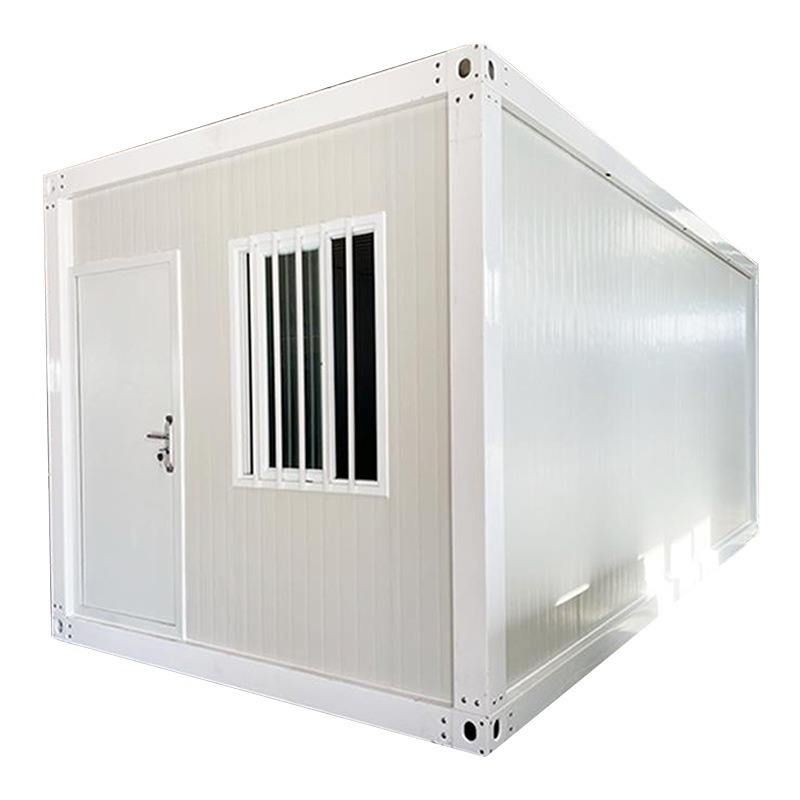
Composition Structure
A temporary portable toilet generally consists of parts such as a fecal sewage storage tank (or fecal sewage treatment device), floor slab, sanitary ware, walls, washing equipment, water tank, roof, and moving device. The fecal sewage storage tank is used to collect and store fecal sewage, while the fecal sewage treatment device can perform preliminary treatment on the sewage. The floor slab ensures the stability of users when standing. Sanitary ware is the core equipment for using the toilet. The walls provide privacy protection and some support. The washing equipment facilitates user cleaning. The water tank supplies water for flushing and other purposes. The roof protects against wind and rain. The moving device enables the entire toilet to be moved.
Classification Methods
- By structural form: They can be divided into single-structure portable toilets and composite-structure portable toilets. Single-structure toilets are relatively simple and independent, while composite-structure toilets may be composed of multiple parts and may have more complex and diverse functions.
- By moving method: There are lifting and handling-type portable toilets, which usually require equipment such as cranes for movement. Powered and towed portable toilets either have their own power or can be moved by being towed by vehicles, offering more flexible movement.
- By sewage treatment method: They are classified into water-flush and non-water-flush suction-type portable toilets. Water-flush toilets use water to flush feces, while non-water-flush suction-type toilets handle feces through suction. Recirculating water-flush portable toilets can recycle the flushing water, saving water resources. Dry-packing portable toilets package feces in a dry form and do not require water.
Suitable Locations
They are suitable for stations, docks, tourist attractions, villa areas, newly built residential areas, large construction sites, squares, densely populated public places, and bustling commercial streets. These places have a large flow of people, and the demand for toilet facilities is temporary or阶段性 (phased in Chinese, here translated as 'periodic' for better English expression). Temporary portable toilets can be quickly deployed to meet people's toilet needs and can be easily moved away after use without causing long-term occupation and impact on the site.



