Back to blog
Article
Temporary Mobile Toilets for Stall Scenic Areas
Admin September 28, 2026
When setting up temporary mobile toilets in stall scenic areas, it is necessary to choose the appropriate type according to specific needs and pay attention to materials, ventilation, and water-saving and sewage discharge mechanisms.
I. Selecting Types Based on Scenario Requirements
- Basic Mobile Toilets: Suitable for short-term, low-traffic stall scenarios, such as community events or small markets. They have a simple structure, quick installation, and are equipped with basic flushing systems and toilet paper. They are affordable and can meet the needs of those with limited budgets and simple functional requirements. For example, community weekend markets, due to their short duration and relatively small crowds, can be adequately served by basic toilets.
- Environmentally Friendly and Water-Saving Mobile Toilets: If the stall scenic area lacks sewage pipes or requires environmental protection, these toilets are the preferred choice. They utilize water-saving technologies (such as foam-flushing systems) and microbial treatment systems, requiring no external water source, achieving zero discharge, and enabling recycling. They are suitable for temporary visitor centers in scenic areas or camping bases. For example, mountainous scenic areas, due to complex terrain and difficulties in pipe laying, can use environmentally friendly toilets to prevent sewage pollution.
- Special Function Mobile Toilets: For specific needs, such as accessibility features or baby care rooms, toilets equipped with handrails, lifting functions, or baby care tables should be selected. For example, scenic areas with many family visitors need to set up baby care rooms to provide convenience for diaper changing and breastfeeding; scenic areas with many elderly visitors require accessibility features to ensure safe use.
II. Focusing on Core Equipment Performance
- Material Corrosion Resistance: Outdoor environments are prone to wind and rain erosion, so corrosion-resistant materials such as stainless steel, color-coated steel, or fiberglass-reinforced plastic should be chosen to ensure the stable structure and long service life of the toilets. For example, coastal scenic areas, due to high humidity and salt content in the air, should prioritize the use of stainless steel to prevent rusting.
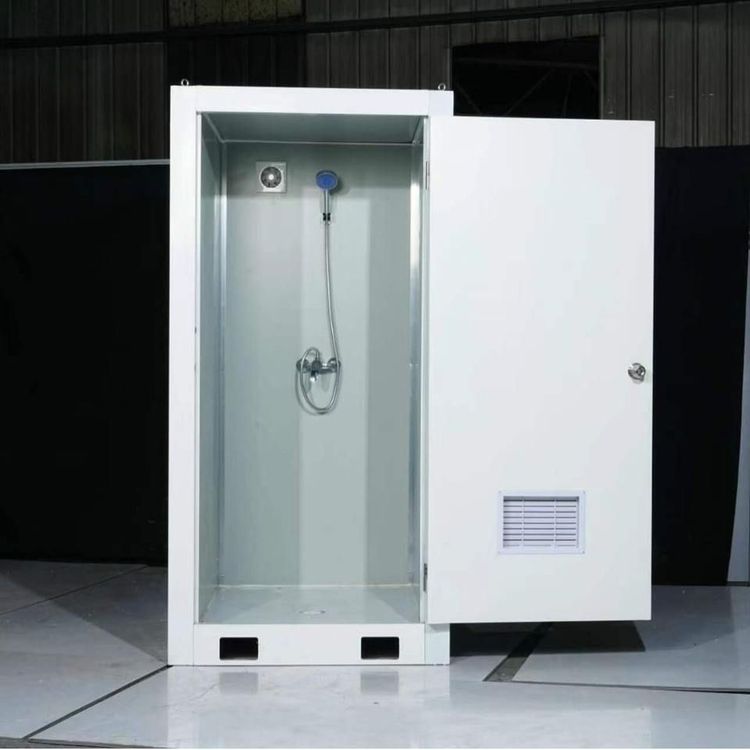
- Ventilation and Odor Control Mechanisms: Active ventilation systems (such as exhaust fans) can accelerate air circulation, reduce odor accumulation, and enhance the user experience. For example, in enclosed spaces with poor ventilation, bacteria can easily breed, and active ventilation can effectively improve hygiene conditions.
- Water-Saving and Sewage Discharge Mechanisms: Foam-flushing systems reduce water consumption by covering the surface with foam while suppressing odors; microbial treatment systems decompose waste for harmless disposal, suitable for scenarios without sewage pipes. For example, scenic areas in arid regions require water-saving toilets to reduce water consumption.
By reasonably selecting types and optimizing equipment performance, temporary mobile toilets can operate efficiently and stably in stall scenic areas while considering environmental protection and user experience.
Related