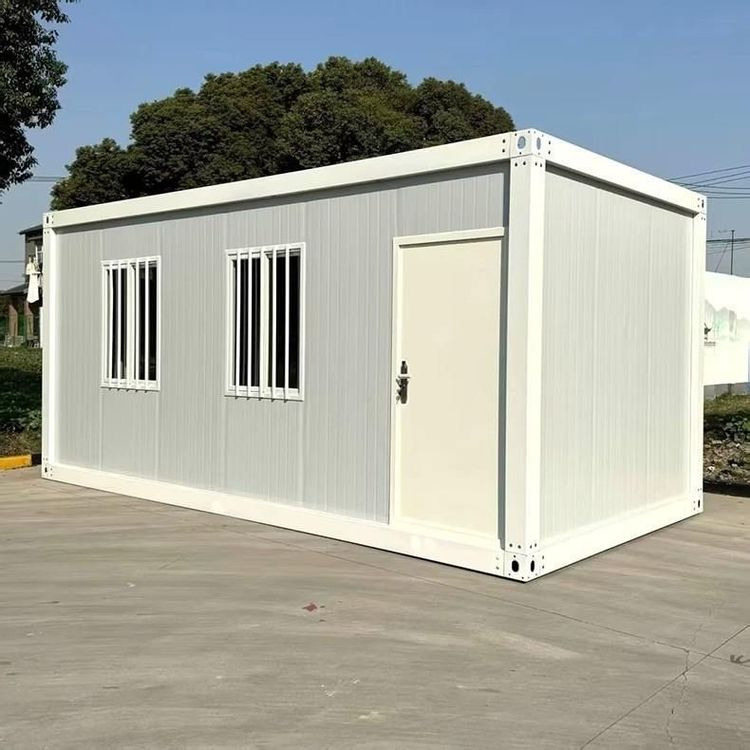
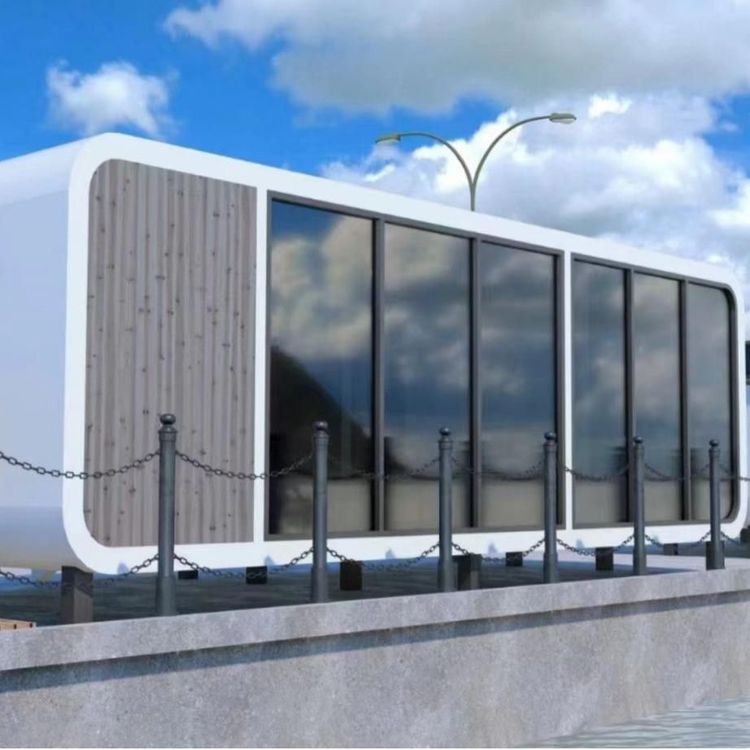
Temporary Mobile Toilet System
The Temporary Mobile Toilet System covers six core aspects: installation and maintenance, usage guidelines, cleaning and disinfection, emergency response, administrative supervision, and legal responsibilities. Details are as follows:

1. Installation and Maintenance
The installation of mobile toilets should be scientifically planned by urban planning departments based on actual needs in densely populated areas and public spaces, with regular adjustments to the layout. The toilets themselves must meet hygiene standards, including intact doors and windows, fully equipped facilities (such as flushing systems and lighting), and be maintained daily by professionals. Municipal departments should strengthen supervision to ensure the rationality of installation and the comprehensive implementation of maintenance work, avoiding hygiene risks caused by improper maintenance.
2. Usage Guidelines
Users must adhere to civilized toilet usage principles, prohibiting the unauthorized relocation or repurposing of toilets, and must not damage facilities or improperly dispose of waste. For special groups (such as people with disabilities), toilet locations should be reasonably adjusted or barrier-free facilities added. In rental scenarios, it is necessary to assess the scale of the event, duration, and other needs in advance, choose a legitimate rental company, and sign a standardized contract that clearly outlines what the rent includes (such as cleaning and maintenance services) and the conditions for refunding the deposit to avoid disputes.
3. Cleaning and Disinfection
Toilets must be cleaned regularly, with a strict prohibition on odors or contamination. Cleaning personnel should wear protective gear and follow procedures strictly, with waste disposed of promptly and the surrounding environment kept clean. Cleaning work is typically handled by professional companies or health departments, and during the rental period, service providers should offer regular cleaning and maintenance services to ensure the proper functioning of the toilets.
4. Emergency Response
If facilities are damaged or hygiene issues arise, relevant departments must be notified immediately for handling; in cases of severe deterioration in the surrounding environmental hygiene, municipal departments should take timely measures (such as adding temporary toilets) to safeguard public health and safety. In emergencies (such as insufficient toilets for large-scale events), the sanitation department can be contacted to coordinate temporary public toilets or use reserved portable toilets.
5. Administrative Supervision
Municipal departments should intensify daily supervision, regularly assess toilet usage, maintenance, cleaning, and other work, handle违规 (non-compliant) units or individuals, and publicize enforcement actions to accept social supervision, ensuring the effective implementation of the system.
6. Legal Responsibilities
Violators of the system may face penalties up to the closure of facilities; those who intentionally damage toilet facilities will be held legally responsible to safeguard the safety of public resources.