
Principle of Temporary Mobile Toilets
The principle of temporary mobile toilets is based on modular design and detachable structures, enabling flexible deployment and efficient use through material optimization, functional integration, and technological innovation.
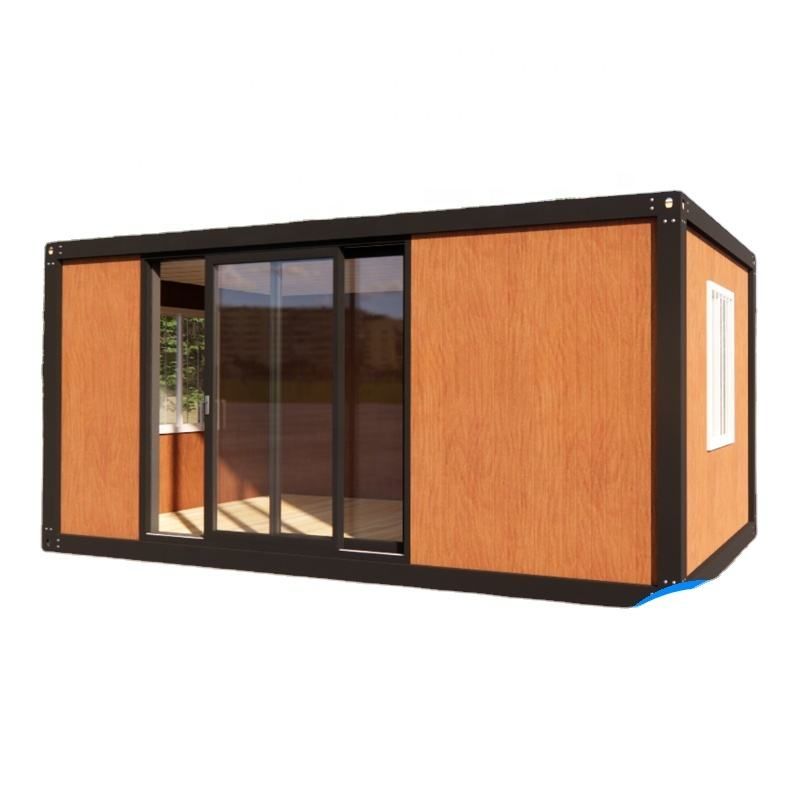
Material and Structural Design
The main frame of temporary mobile toilets typically employs lightweight, high-strength materials such as steel, aluminum alloy, or engineered plastics. Steel and aluminum alloy frames ensure structural stability while reducing overall weight through optimized cross-sectional designs, facilitating manual handling or mechanical lifting. Engineered plastics, molded through injection processes, offer impact resistance and corrosion resistance, making them suitable for frequent assembly and disassembly scenarios. The outer shell often utilizes color-coated steel plates or injection-molded shells: color-coated steel plates achieve waterproof and rust-proof functions through multi-layer composite structures, with surface coatings resistant to UV aging, maintaining appearance integrity even after multiple disassemblies; injection-molded shells reduce seams through integrated molding processes, lowering leakage risks while enhancing impact resistance. Internal components such as vents and windows adopt modular designs for quick installation or replacement, optimizing air circulation efficiency.
Modular Assembly and Spatial Adaptation
Equipment is shipped in loose form and assembled on-site using bolt connections or snap-in fixtures. This design significantly reduces transportation volume and costs while allowing spatial layout adjustments based on usage scenarios: for example, construction sites may opt for single-person units to save space, while large event venues can assemble multi-person rows to meet peak demand. Modular structures also support rapid disassembly and reassembly, with some models deployable or withdrawable within 2 hours, adapting to temporary and highly mobile usage scenarios.
Core Functional Implementation Mechanisms
- Flushing Systems: Available in manual and electric modes. Manual flushing controls water flow via foot pedals or hand pumps, suitable for powerless environments; electric flushing relies on small water pumps and battery packs for more stable flushing pressure. All models are equipped with sealing devices, such as U-shaped traps or silicone seals, to prevent sewage backflow and odor diffusion.
- Sewage Storage and Discharge: Sewage flows through dedicated pipes into storage tanks, with some premium models featuring double-layer tank designs—outer insulation and inner leak-proof layers—to adapt to low-temperature environments. Once full, sewage can be pumped out by vacuum trucks or discharged into municipal sewer networks; some eco-friendly models also incorporate biodegradation modules to reduce sewage treatment pressure.
- Ventilation and Hygiene: Exhaust fans are installed on top or natural convection designs are utilized to continuously replace internal air; internal walls are coated with antibacterial finishes to inhibit bacterial growth; floor drains are designed to be odor-proof, ensuring long-term hygiene with regular cleaning and maintenance.
- Auxiliary Facilities: Modules such as lighting, sinks, and hand dryers are integrated based on demand, with some models even equipped with air conditioning or heating systems to enhance comfort in extreme climates.
Technological Highlights and Adaptability
Injection-molded shells can withstand impacts exceeding 100 kg, while steel-aluminum alloy frames are optimized to weigh under 150 kg, facilitating single-person operation; color-coated steel plates maintain performance stability in temperatures ranging from -30°C to 50°C. These features make temporary mobile toilets widely applicable in construction sites, tourist attractions, disaster relief sites, and other scenarios, serving as vital infrastructure for modern urban emergency management and public services.



