
Temporary Mobile Toilet on Construction Site
A temporary mobile toilet on a construction site is a movable facility set up to meet the toilet needs of construction site personnel.
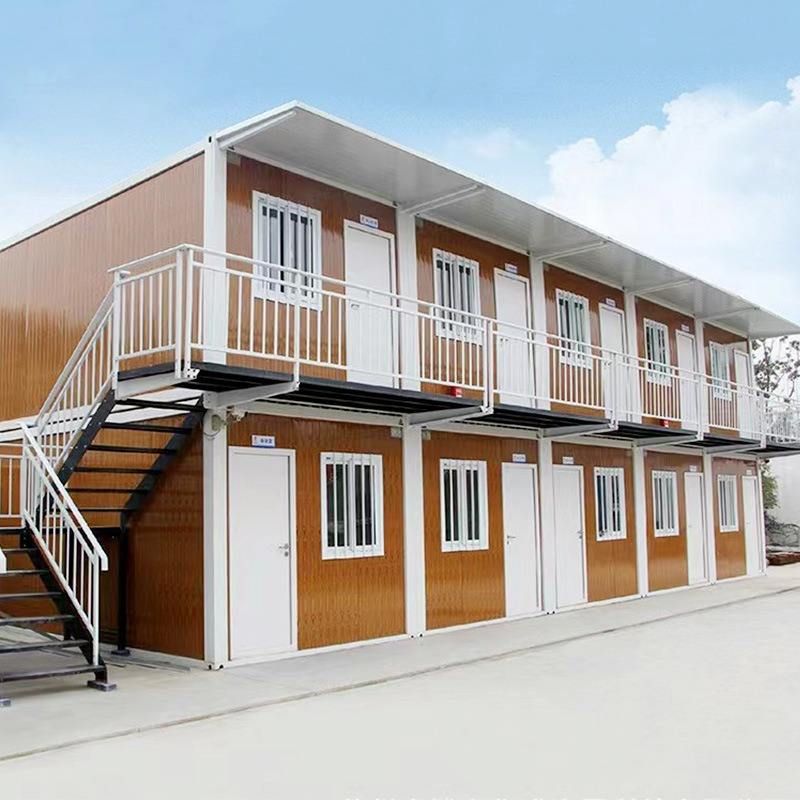
I. Basic Components A temporary mobile toilet on a construction site generally consists of multiple parts. The fecal sewage storage tank (or fecal sewage treatment device) is one of the core components, used to collect and treat the sewage generated from using the toilet, preventing the indiscriminate discharge of sewage from polluting the construction site environment. The floor provides a stable standing and activity space for users, ensuring safety during use. Sanitary ware, including toilets or squat pans, meets different usage habits. The walls serve to divide the space and protect privacy, while also blocking outside views and some noise. Washing facilities such as sinks allow users to clean their hands after using the toilet, maintaining hygiene. The water tank stores flushing water to ensure the cleanliness of the toilet. The roof can shelter from wind and rain, protecting the internal facilities from weather conditions. The mobile device enables the toilet to be moved as a whole according to the actual needs of the construction site.
II. Classification Methods According to the structural form, they can be divided into single-structure mobile toilets and composite-structure mobile toilets. The single-structure type is relatively simple and suitable for construction sites with a small scale and few personnel; the composite-structure type is more complex and has more complete functions, meeting the needs of larger-scale construction sites. According to the moving method, they can be divided into lifting and handling mobile toilets, which mainly rely on external equipment for lifting and handling; power-driven and trailer-type mobile toilets have their own power or can be moved by being towed by vehicles, offering higher flexibility. According to the sewage treatment method, they can be divided into water-flushing and waterless suction-type mobile toilets. The water-flushing type is more convenient to use but requires a certain amount of water resources; the waterless suction type does not need water and treats feces by suction. The circulating water-flushing mobile toilet can recycle the flushing water, saving water resources. The dry-packing mobile toilet dry-packs the feces for easy subsequent cleaning and transportation.
III. Characteristics and Advantages The temporary mobile toilet on a construction site can be easily transported to any place where a toilet needs to be set up and can be used repeatedly. It has the advantages of being movable, combinable, and easy to transport. For example, color-steel mobile toilets are sturdy, rain-proof, and sun-proof. They can be used directly after being connected to water and electricity on site, saving money and effort in construction site applications.



