
Back to blog
Article
How to Hoist Temporary Mobile Toilets
Admin September 29, 2026
The hoisting of temporary mobile toilets involves two main steps: crane selection and hoisting preparation, as well as on-site installation. The specific operations are as follows:
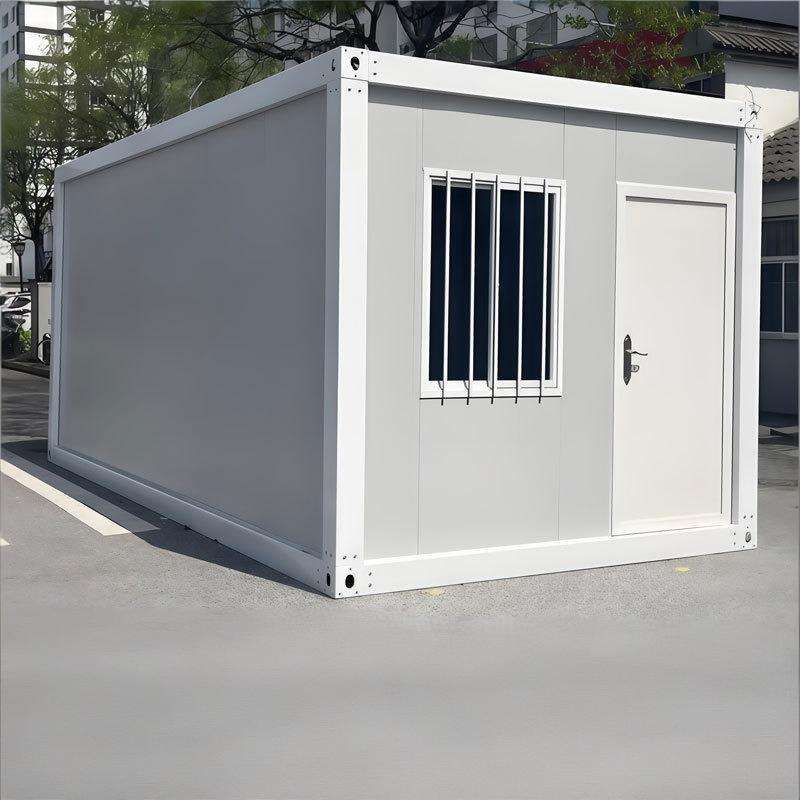
I. Crane Selection and Hoisting Preparation
- Lifting Ring and Sling Configuration: The toilet is equipped with four dedicated lifting rings on its top. During hoisting, separate slings of no less than 6 meters in length must be used to connect the crane hook to the lifting rings. Each sling should be used independently to avoid uneven force distribution caused by multiple toilets sharing the same sling.
- Crane Tonnage Matching: Select the crane tonnage based on the number of toilets:
- 2-4 Toilets: It is recommended to use a crane with a tonnage of 12 or above to ensure that the lifting capacity covers the self-weight of the toilets and the dynamic loads during hoisting.
- 5-6 Toilets: A crane with a tonnage of 16 or above is required to meet the weight and stability requirements of larger toilets.
- 7 or More Toilets: A crane with a tonnage of 20 or above must be used to prevent hoisting failure or safety accidents due to insufficient tonnage.
- Stable Hoisting Requirements: The toilet must be kept level during hoisting to avoid tilting. Tilting may cause the sling to slip off or result in uneven force distribution on the toilet structure, increasing the risk of detachment. Operators should adjust the crane arm angle or use counterweights to ensure the toilet is lifted smoothly off the ground.
II. On-site Installation Steps
- Main Body Hoisting and Positioning: Use a forklift or crane to slowly hoist the toilet main body to the designated installation location, continuously monitoring its level status during the process. If tilting is detected, immediately stop hoisting and adjust the sling length or crane arm angle until the toilet is level again.
- Multi-person Coordinated Operation: After hoisting to the target location, a dedicated person should be in charge of directing to ensure synchronized actions between the installation personnel and the crane operator. For example, the director can use hand signals or walkie-talkies to issue unified instructions to avoid collisions with the ground or other obstacles due to poor communication.
- Safety Protection Measures: Warning signs should be set up in the installation area to prohibit non-staff from entering. During hoisting, operators should wear safety helmets, gloves, and other protective equipment and stay away from the rotation range of the crane arm to prevent injuries from falling objects or mechanical squeezing.
Precautions: Before hoisting, check the sling for wear and tear. If any signs of breakage or aging are found, replace it immediately. The crane outriggers must be fully extended and properly supported to prevent tipping due to soft ground. Hoisting should be suspended in case of strong winds, heavy rain, or other severe weather conditions to ensure a safe operating environment.



